Simple Fine-Tuning for Small Models
Introduction to Fine-Tuning
Specializing a Generalist
Imagine a brilliant musician who has mastered classical piano. They understand music theory, harmony, and rhythm inside and out. Now, you ask them to play jazz. They won't have to relearn music from scratch. Instead, they'll adapt their vast knowledge to the specific styles and improvisational nature of jazz. This process of adaptation is a lot like fine-tuning in machine learning.
Fine-tuning is a technique used in machine learning, especially deep learning, where a pre-trained model is further trained or "tuned" on a smaller, specific dataset tailored to a particular task.
A pre-trained model is a model that has already learned from a massive dataset. For example, a language model might be pre-trained on a huge portion of the internet to understand grammar, facts, and reasoning skills. It's a generalist. Fine-tuning takes this powerful generalist and gives it specialized training for a new, specific job, like classifying customer support tickets or summarizing legal documents.
Why Not Start From Scratch?
Training a large model from zero is an enormous undertaking. It requires vast amounts of data, immense computing power, and a lot of time. Fine-tuning offers a much more efficient path.
First, it saves resources. Instead of spending weeks or months training a model, you can leverage the thousands of hours already invested in the pre-trained model. This dramatically reduces the time and computational cost.
Second, it requires less data. To teach a model a language from scratch, you need a library of congress worth of text. To teach it a specialized task, you might only need a few hundred or a few thousand targeted examples. This is because the model already has a strong foundation of knowledge to build upon.
Finally, it often leads to better performance. A pre-trained model has already learned rich, general patterns from its initial training. By fine-tuning, you are simply focusing that powerful knowledge on your specific problem, which can lead to more accurate and reliable results than a model trained only on your smaller dataset.
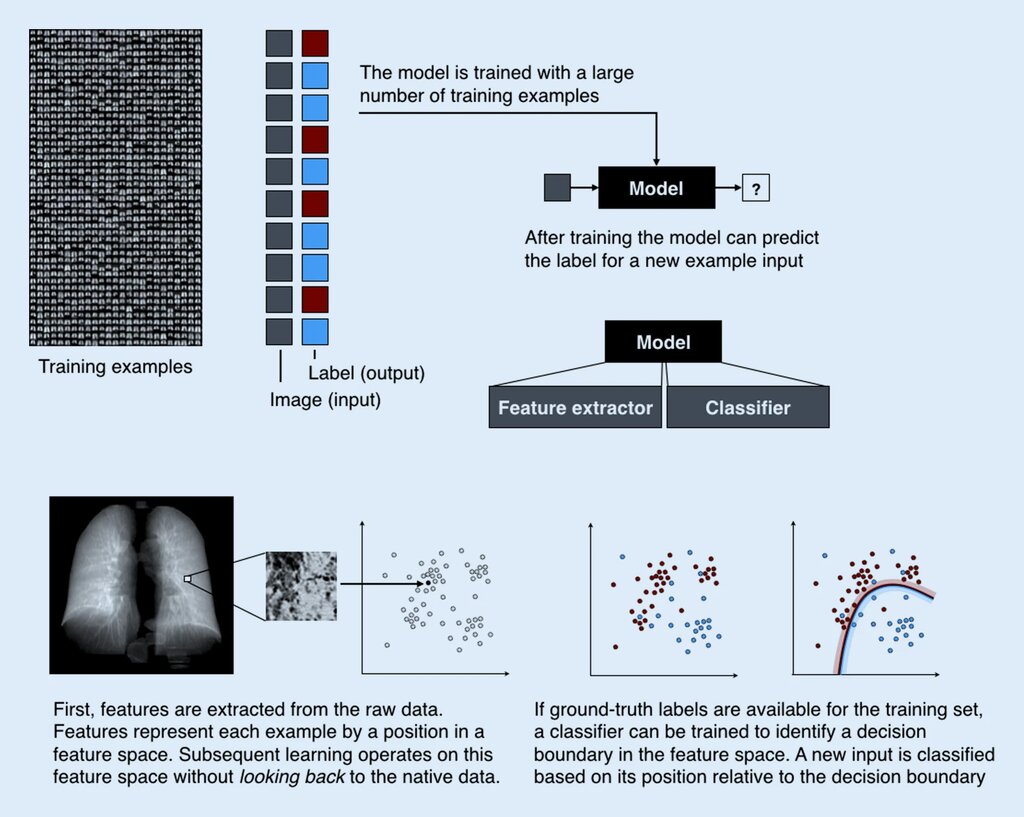
The Fine-Tuning Process
The process itself is conceptually straightforward. It involves taking a model that has already been trained and training it a little more on a new dataset that is specific to your goal.
The key is the new dataset. It must be high-quality and accurately represent the task you want the model to perform. For instance, if you want to fine-tune a model to identify positive or negative customer reviews, your dataset would consist of sample reviews, each labeled as 'positive' or 'negative'.
Choosing the Right Foundation
Not all pre-trained models are created equal, and the success of fine-tuning depends heavily on starting with the right one. The first thing to consider is the model's original training data. If you're working on a medical task, a model pre-trained on biomedical literature will likely perform better than one trained on movie scripts.
Next, consider the model's architecture. Different architectures are suited for different kinds of tasks. Some models are excellent at understanding and generating text, while others are designed for image recognition or data analysis. It's crucial to match the model's capabilities to your target task.
Finally, think about the size of the model. Larger models are often more capable but also require more resources to fine-tune and run. Sometimes a smaller, more specialized model is a more practical and efficient choice. The goal is to find a balance between performance and the practical constraints of your project.
Think of selecting a pre-trained model like choosing a candidate for a job. You want someone whose background and existing skills are the best possible match for the new role you need them to fill.
To start, it's a good idea to get comfortable with this core concept of taking a general model and specializing it. With this foundation, you can effectively solve a wide range of problems without the massive overhead of training from scratch.