Siemens Gamesa Le Havre Wind Energy Deep Dive
Introduction to Wind Energy
From Sails to Electricity
For thousands of years, humans have harnessed the power of the wind. It pushed ships across oceans and turned windmills to grind grain or pump water. The basic idea was simple: use the wind's kinetic energy to do useful work. This principle hasn't changed, but its application has become far more sophisticated.
Today, when we talk about wind energy, we're usually referring to the process of generating electricity. Instead of grinding stones, modern windmills, called wind turbines, spin generators. This shift began in the late 19th century, but it's only in the last few decades that wind power has become a major player in the global energy landscape, driven by the need for clean, renewable resources.
How a Wind Turbine Works
A wind turbine works like a fan, but in reverse. Instead of using electricity to make wind, a turbine uses wind to make electricity. The process starts with the blades.
- Wind pushes against the turbine's blades, causing them to rotate.
- The rotating blades turn a central rotor.
- The rotor is connected to a gearbox inside the nacelle, the housing at the top of the tower. The gearbox increases the rotational speed.
- This high-speed shaft spins a generator, which uses the principle of electromagnetic induction to convert mechanical energy into electrical energy.
The electricity then travels down the tower and is fed into the electrical grid, where it can be distributed to homes and businesses. The amount of energy a turbine can produce depends on its size and the wind's speed.
Onshore and Offshore
Wind farms, which are clusters of wind turbines, can be built in two main environments: on land (onshore) or in bodies of water like oceans and lakes (offshore).
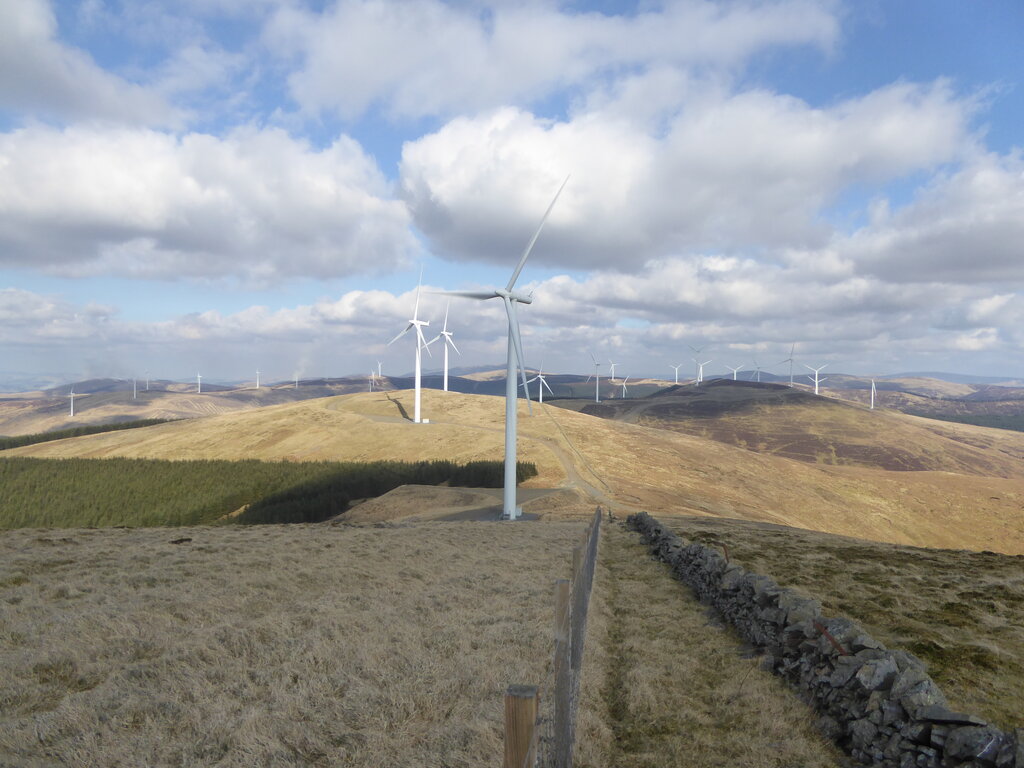
Onshore wind is currently more common. It's generally cheaper and easier to build and maintain these farms. However, they can face challenges related to land use, visual impact, and noise concerns for nearby residents.
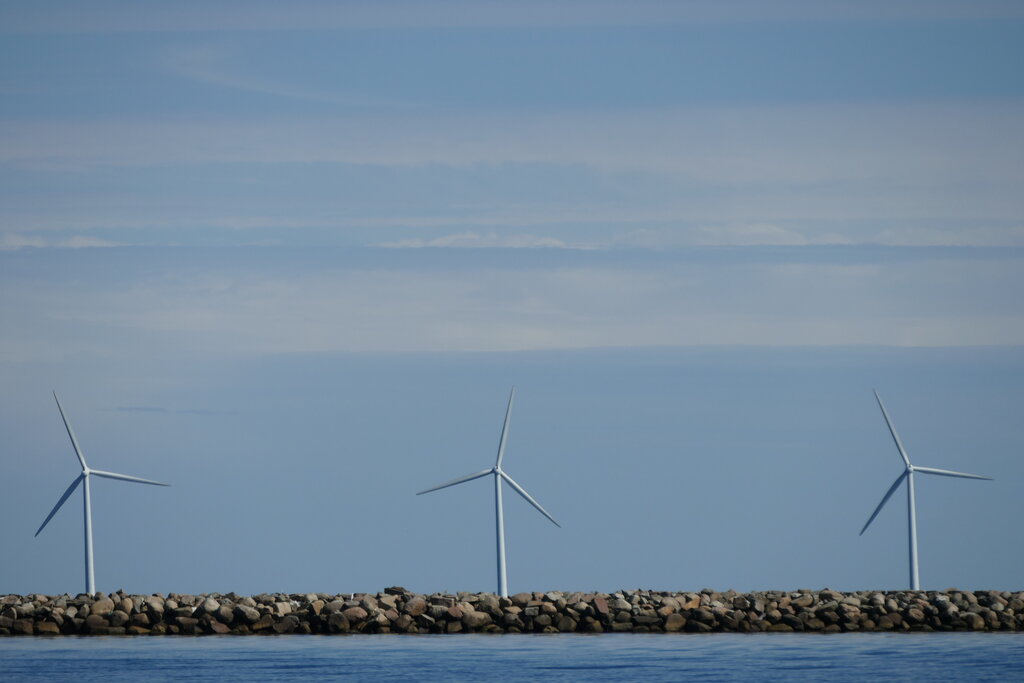
Offshore wind farms are a newer, rapidly growing technology. While more expensive and complex to install in the sea, they have a key advantage: ocean winds are typically stronger and more consistent than winds on land. This allows offshore turbines to generate more power, more reliably. They also have less impact on scenery and local communities.
Offshore wind energy leverages the high intensity and consistency of oceanic winds, playing a key role in the transition to renewable energy.
Benefits and Broader Impact
The primary environmental benefit of wind power is clear: it produces electricity without burning fossil fuels. This means it generates no greenhouse gas emissions, like carbon dioxide, which are the main drivers of climate change. It also avoids the air and water pollution associated with coal and natural gas.
But the transition to renewable energy isn't just a technical challenge; it's also a social one. The concept of energy justice is becoming central to this conversation. It focuses on ensuring that the benefits and burdens of the energy system are shared fairly among all members of society.
This means asking important questions: Who benefits from the jobs and cheaper energy created by a new wind farm? Are local communities, especially low-income and minority groups, involved in the decision-making process? Who bears the costs of the visual or environmental impact?
As we build a cleaner energy future, addressing these societal implications is just as important as perfecting the technology. A truly sustainable energy system is one that is not only good for the planet but also fair for all its people.
Ready to check your understanding?
What is the primary function of a modern wind turbine?
What is a key advantage of offshore wind farms compared to onshore ones?
From ancient sails to modern turbines, wind power remains a powerful force for progress.