Side Hustle Launchpad
Identify Your Skills
Find Your Starting Point
The best side hustle for you probably uses skills you already have. It's easy to think of skills as just the things you do at your 9-to-5 job, but they're much more than that. Your talents might hide in your hobbies, your passions, or even the things you do to help friends and family.
The foundation of a successful side gig lies in aligning your venture with your passions and skills.
Starting with what you know and love does two things. First, it lowers the barrier to entry. You don't have to learn a brand-new, complex skill from scratch. Second, it keeps you motivated. When you genuinely enjoy the work, you're more likely to stick with it when things get challenging.
Take a Personal Inventory
It’s time to do a little self-reflection. The goal is to create a master list of your skills, talents, and interests without judging them. Don't worry about whether something is “marketable” yet. Just get it all down on paper.
Break your list into three categories:
- Professional Skills: These are the abilities you've developed in your career or through formal education. Think about specific software you know, languages you speak, or tasks you perform at work, like project management or data analysis.
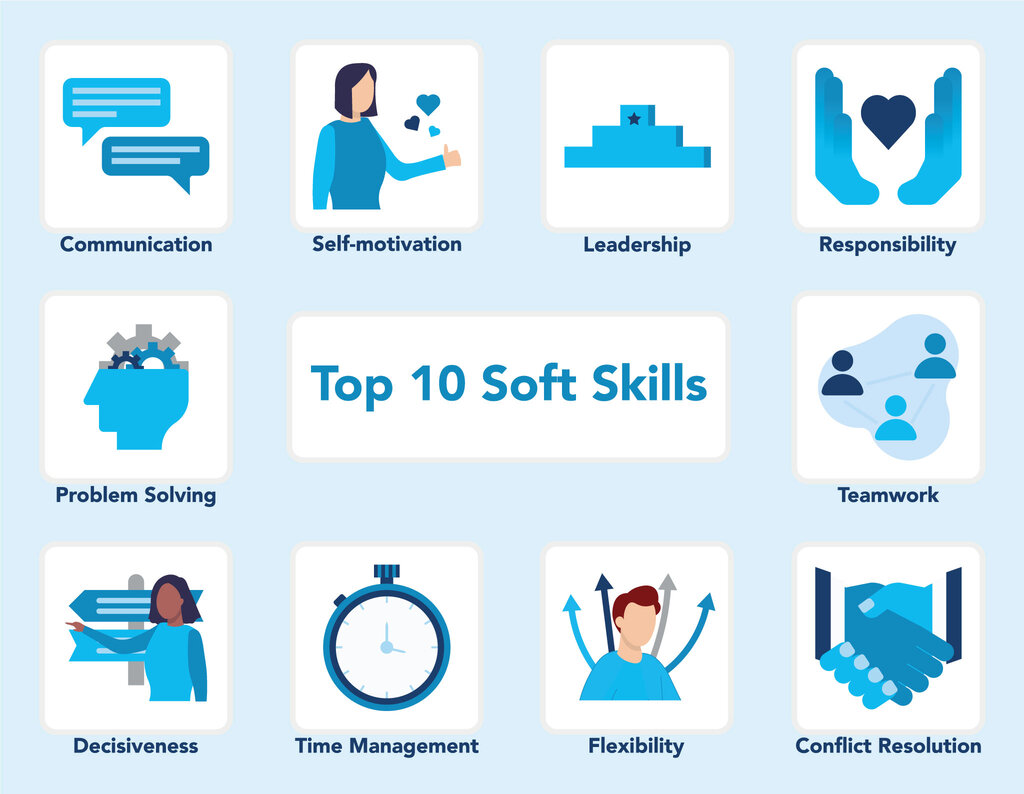
- Personal Talents: These are your natural strengths or soft skills. Are you a great listener? Exceptionally organized? A natural leader? Good at public speaking? These are valuable.
- Hobbies & Interests: What do you do for fun? This could be anything from baking and gardening to playing a musical instrument, video editing, or fixing bikes.
| Category | Skill or Interest | Example of Use |
|---|---|---|
| Professional | Graphic Design | Created logos for my company's internal projects. |
| Personal | Organization | Planned a friend's entire wedding itinerary. |
| Hobby | Baking | I'm known for my sourdough bread. |
Once you have your list, look for patterns. Which skills appear in multiple categories? Which ones give you the most energy? The sweet spot for a side hustle is at the intersection of what you're good at and what you truly enjoy.
Identify What's Marketable
Now, let's look at your list through a new lens: what problems can you solve for other people? A skill becomes marketable when it addresses a need. People pay for solutions that save them time, reduce their stress, or bring them joy.
For every skill or interest on your list, ask yourself a simple question: "Who would pay for this, and why?"
Your love for planning trips could become a travel itinerary service. Your knack for writing could become a resume-building service for job seekers. Your weekend coding hobby could turn into building simple websites for local businesses.
Don't be afraid to think small at first. You don't need a groundbreaking idea to start. The goal is to find a direct line between something you can do well and something someone needs.
If you get stuck, ask people who know you well. Send a quick message to a few trusted friends or former colleagues: "If you had to hire me to do one thing, what would it be?" Their answers might surprise you and uncover strengths you've taken for granted.
What is a primary benefit of choosing a side hustle based on skills you already possess?
When creating your master list of abilities, you should break them into three categories: Professional Skills, Personal Talents, and ________.
By taking stock of what you already know and love, you've built a solid foundation. You now have a list of potential paths, each one connected to your unique abilities.