Siamese Mahjong Mastery
Introduction to Siamese Mahjong
A New Twist on an Old Game
Mahjong is traditionally a four-player game, a lively affair filled with the clatter of tiles and strategic banter. But what if you only have two players? Enter Siamese Mahjong, a clever variant designed specifically for head-to-head play. It keeps all the strategic depth of the original while adding a unique twist.
The core innovation of Siamese Mahjong is that each player manages two separate hands simultaneously. Think of it like playing two games of chess at once against the same opponent. One hand is your "primary" hand, which you try to win with. The other is your "secondary" hand, which serves as a backup. You draw one tile on your turn and must decide which of your two hands to play it in.
The goal is to win with your primary hand first. If your opponent wins, you can still try to win with your secondary hand to force a draw.
How It's Different
Siamese Mahjong isn't an ancient version of the game. It was developed in 2011 by a player in the Netherlands, specifically for the Mahjong Competition Rules (MCR) system, also known as Chinese Official Mahjong. The idea was to create a two-player format that was just as competitive and engaging as the four-player version.
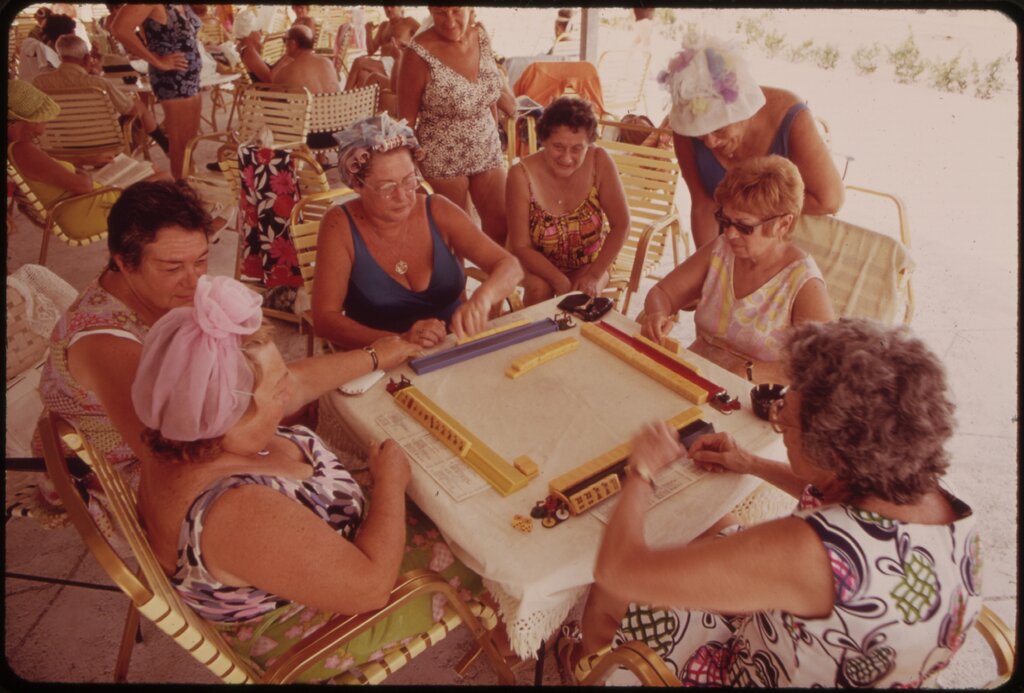
The biggest difference from traditional Mahjong is the mental juggling act required. You're not just thinking about one set of tiles; you're developing two distinct strategies in parallel. This changes how you approach discards and claims. A tile that's useless for your primary hand might be the key to completing your secondary hand. This dual-hand system adds a new layer of complexity and decision-making.
Unlike some variants, Siamese Mahjong uses a standard set of tiles with no jokers or special additions. The innovation is purely in the gameplay structure.
The Appeal of Two Hands
The beauty of Siamese Mahjong lies in its intensity. It's a focused, strategic duel. With only one opponent, you can pay closer attention to their discards and try to deduce the contents of both of their hands. The game feels faster-paced than a four-player match, making it a great option when you're short on time or players.
It also provides a fantastic mental workout. Constantly evaluating two hands, tracking two of your opponent's potential hands, and making optimal decisions turn after turn keeps your brain sharp. It's a challenging and rewarding way to experience the classic game of Mahjong.
Ready to check your understanding?
What is the defining feature of Siamese Mahjong?
Siamese Mahjong is an ancient variant of the game that originated in China.
Now that you know the basics of what makes Siamese Mahjong unique, you're ready to learn the specific rules of setup and play.