Shower Grout Sealing for Mold Prevention
Understanding Grout and Mold
The Unsung Hero of Tile
Look at any tiled surface, like your shower wall. The tiles are the stars, but what holds them all together? That’s grout. Think of it as the mortar that fills the gaps between tiles, locking them in place and creating a solid, finished surface. Without it, you'd just have a wall of loose squares.
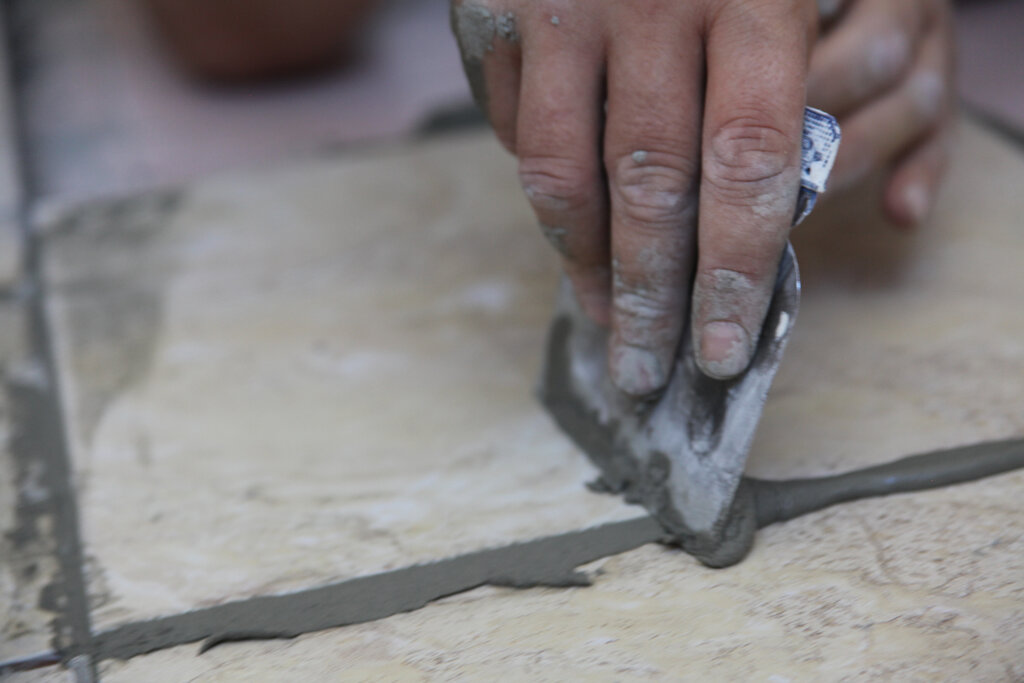
Grout is typically a mixture of cement, sand, and water. This simple recipe creates a durable filler that prevents tiles from shifting and protects the edges from chipping. But this cement-based structure has a key characteristic: it's porous.
Porosity means grout acts like a very hard sponge. It has tiny, microscopic holes that can absorb water and soap scum.
Every time you shower, water and soap splash onto the walls. While the tiles themselves are waterproof, the grout lines are not. They soak up a small amount of this moisture. This is perfectly normal, but it sets the stage for a common bathroom problem.
When Moisture Lingers
Mold is a type of fungus, and like any fungus, it needs a few simple things to thrive: moisture, warmth, and a food source. A bathroom shower provides the perfect environment. It's warm, it's consistently damp, and soap scum or body oils trapped in the porous grout provide plenty of food.
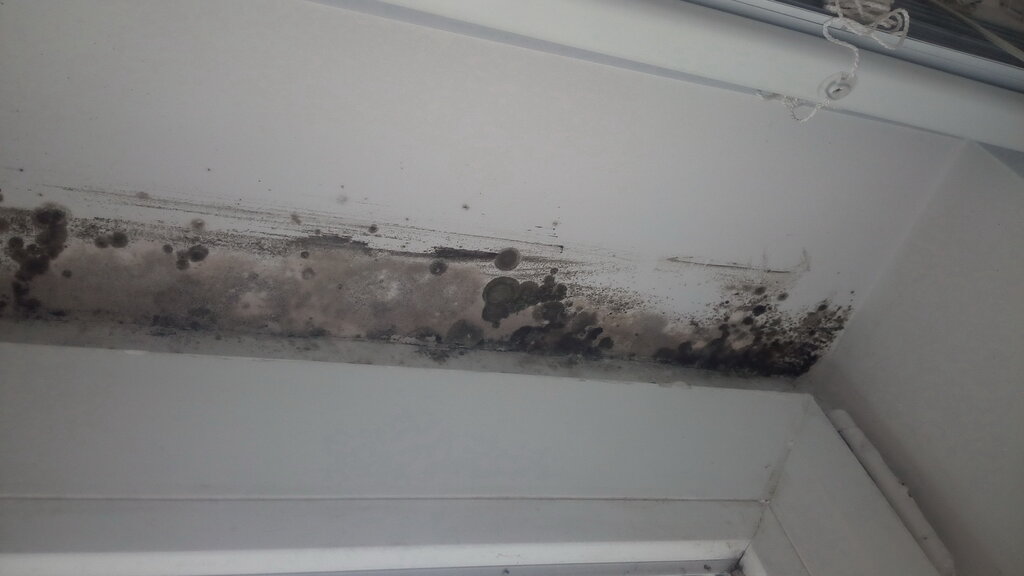
When grout stays wet for too long, mold spores that are naturally present in the air land on it and begin to grow. You might first notice it as small black, pink, or green spots in the corners of your shower or along the grout lines. This is more than just an ugly stain; it's a living colony.
If your bathroom doesn’t have good drainage or ventilation, mold buildup can quickly become an issue.
Poor ventilation is a major contributor. If the steamy air from a hot shower has nowhere to go, moisture will linger on surfaces for hours, giving mold the time it needs to take hold. A bathroom fan or an open window makes a huge difference.
More Than Just an Eyesore
Exposure to mold can cause a range of health problems, especially for people with allergies, asthma, or a weakened immune system. The risks vary depending on the type of mold and the extent of the exposure, but common reactions include:
| Symptom Category | Examples |
|---|---|
| Allergic Reactions | Sneezing, runny nose, red eyes, skin rash |
| Respiratory Issues | Difficulty breathing, coughing, wheezing |
| Other Symptoms | Headaches, fatigue, irritation of eyes, nose, and throat |
For most healthy people, a small amount of bathroom mold might not cause any issues. However, ignoring it allows it to spread, increasing the concentration of spores in the air and the potential for health effects. Keeping grout clean and dry is the first line of defense in maintaining a healthy bathroom environment.
Let's check your understanding of these fundamental concepts.
What is the primary purpose of grout in a tiled surface?
What key characteristic of traditional grout makes it susceptible to mold?
Understanding how grout and mold interact is the first step toward preventing problems in your shower. It all comes down to controlling moisture.