Show Rabbits Explained
Rabbit Breeds
A World of Breeds
The American Rabbit Breeders Association (ARBA) currently recognizes 52 unique rabbit breeds, and the variety is staggering. From giants weighing over 20 pounds to dwarfs that fit in your palm, there's a breed for every preference. They are categorized into different body types, fur types, and sizes, creating a rich tapestry of characteristics for show judges to evaluate.
Each breed has a detailed “Standard of Perfection,” which is the official guide judges use. This standard outlines the ideal characteristics for a rabbit of that breed, from the arch of its back to the texture of its fur. While all ARBA-recognized breeds can be shown, some consistently rise to the top in popularity.
Giants and Dwarfs
Size is one of the most dramatic differences between rabbit breeds. On one end of the spectrum, you have the gentle giants.
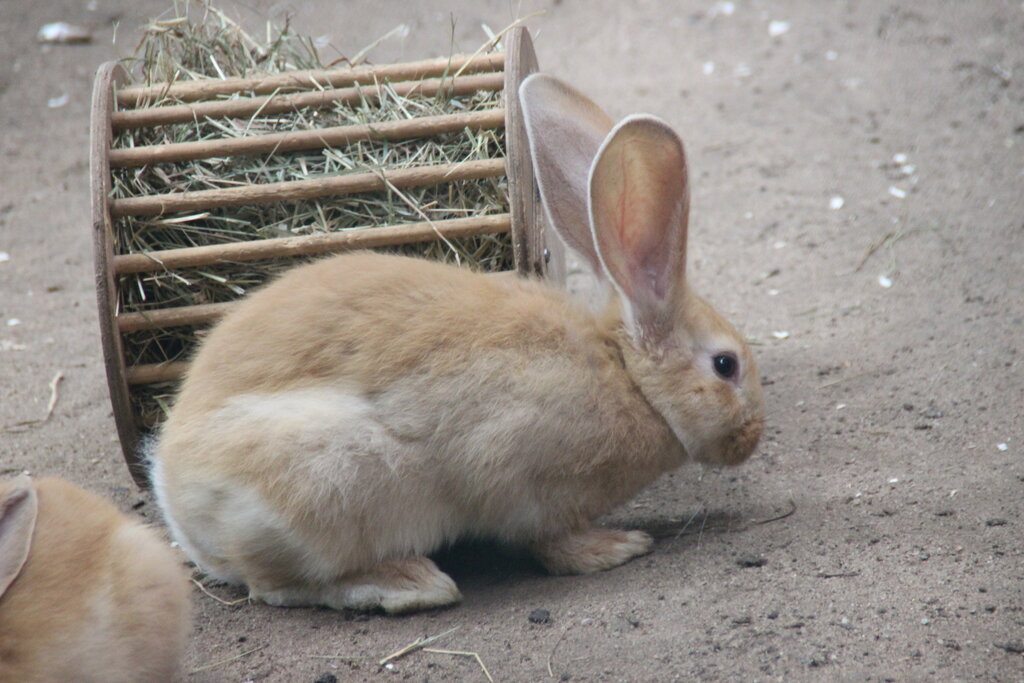
The Flemish Giant, nicknamed the “King of Rabbits,” is one of the largest breeds, often weighing 15 pounds or more. They are known for their docile, easygoing nature, which makes them surprisingly good pets despite their size. However, their weight can make them prone to sore hocks, a condition where the sole of the foot becomes raw and inflamed.
On the other end are the dwarf breeds. The Netherland Dwarf is a prime example, typically weighing just 2 to 2.5 pounds. They have a compact body, a large head, and short ears. Unlike the laid-back Flemish Giant, Netherland Dwarfs are often energetic and active. Their small, brachycephalic (short-headed) skulls can sometimes lead to dental issues, as their teeth may not align properly in such a compact space.
Netherland Dwarf rabbit is one of the smallest and most popular rabbit breeds in the world, cherished for its compact size and adorable appearance.
Lops and Furs
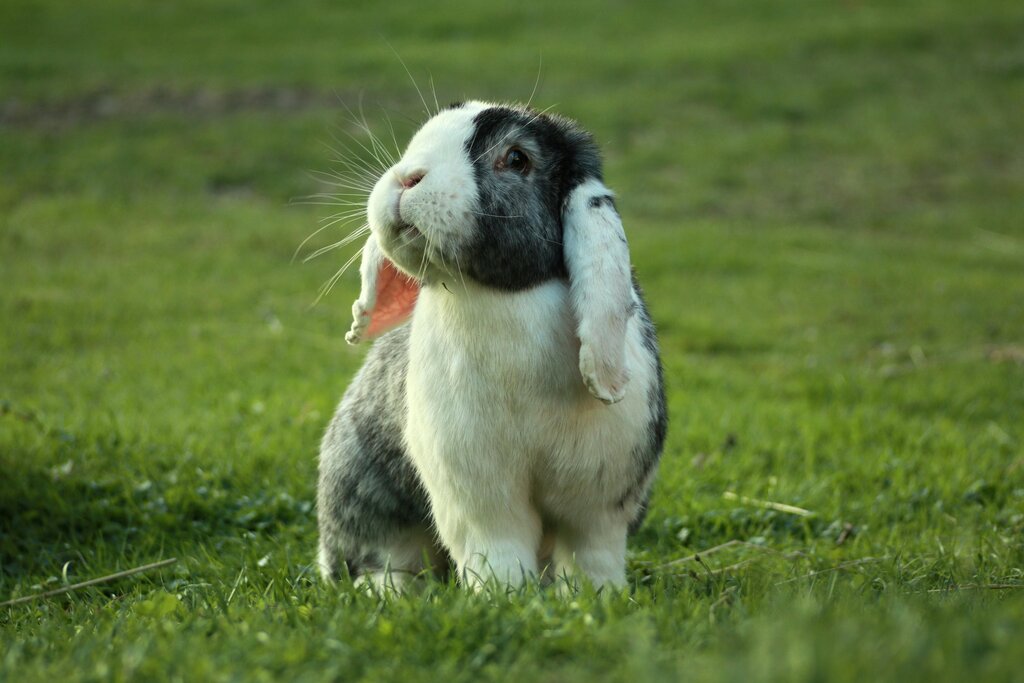
Beyond size, certain physical traits define entire groups of breeds. Lop-eared rabbits are instantly recognizable by their ears, which hang down on the sides of their head instead of standing upright. The Holland Lop is a popular dwarf lop breed, known for its sweet temperament and stocky build.
Fur type is another major category. Most rabbits have normal, or rollback, fur. But some breeds are prized for their unique coats. The Mini Rex has a short, dense, velvety plush coat that feels incredibly soft. People who are allergic to rabbits often find they can tolerate Rex fur better, though no rabbit is truly hypoallergenic.
Then there's the Angora, which is famous for its long, woolly fur that must be regularly sheared, much like a sheep's. This high-maintenance coat requires daily grooming to prevent matting, a serious health risk.
Popular Breeds at a Glance
Choosing a show rabbit often comes down to matching the breed's characteristics and care needs with your own capabilities and interests. Here’s a quick look at a few other popular breeds you'll often see at shows.
| Breed | Key Feature | Temperament | Common Health Note |
|---|---|---|---|
| New Zealand | A commercial body type, often all white | Calm, gentle | Prone to weight gain if overfed |
| Californian | White body with colored points (ears, nose, feet, tail) | Mellow, easy to handle | Can develop sore hocks on wire cage floors |
| Dutch | Distinctive white markings on a colored body | Friendly, social | Generally robust with few breed-specific issues |
| Lionhead | A “mane” of wool around its head | Playful, good-natured | Mane requires regular grooming to prevent matting |
Every breed has its own unique combination of appearance, personality, and health needs. Understanding these differences is the first step toward appreciating the diversity within the world of show rabbits.
Ready to test your knowledge of these rabbit breeds?
What is the official guide that ARBA judges use to evaluate rabbits against their breed's ideal characteristics?
Which breed is known for its distinctive lop ears, which hang down the sides of its head?
By familiarizing yourself with these breeds, you build a strong foundation for understanding what makes a champion show rabbit.