Shopify Functions Explained
Introduction to Shopify
Your Store, Your Way
Starting an online business can feel like building a physical shop from scratch. You need a space, shelves, a cash register, and a way to manage everything. Shopify is the digital equivalent of that entire setup, bundled into one neat package. It’s a platform that gives you all the tools you need to build and run your own online store.
At its core, Shopify is a cloud-based ecommerce platform that enables businesses to create and manage their online stores effortlessly.
The story begins with its founders trying to sell snowboards online in 2006. They were frustrated with the existing e-commerce options, so they built their own. That solution became Shopify. It was built by entrepreneurs, for entrepreneurs, with the goal of making it simple for anyone to sell their products directly to customers.
An All-in-One Toolkit
One of the biggest hurdles of running a website is managing the technical side: hosting, servers, and security. Shopify is a “hosted” platform, which means it takes care of all that for you. You don’t need to be a web developer to get started. Your store is secure, fast, and can handle spikes in traffic without you lifting a finger.
Instead, you can focus on what matters: your products and your customers. Shopify provides a suite of integrated tools designed to cover every aspect of running an online business.
| Feature | What It Does For You |
|---|---|
| Storefront Builder | Create a professional-looking website with customizable themes. No coding needed. |
| Payment Processing | Securely accept credit cards and other popular payment methods from day one. |
| Inventory Management | Automatically track your products so you know what's in stock. |
| Shipping Tools | Calculate shipping rates, manage orders, and print labels. |
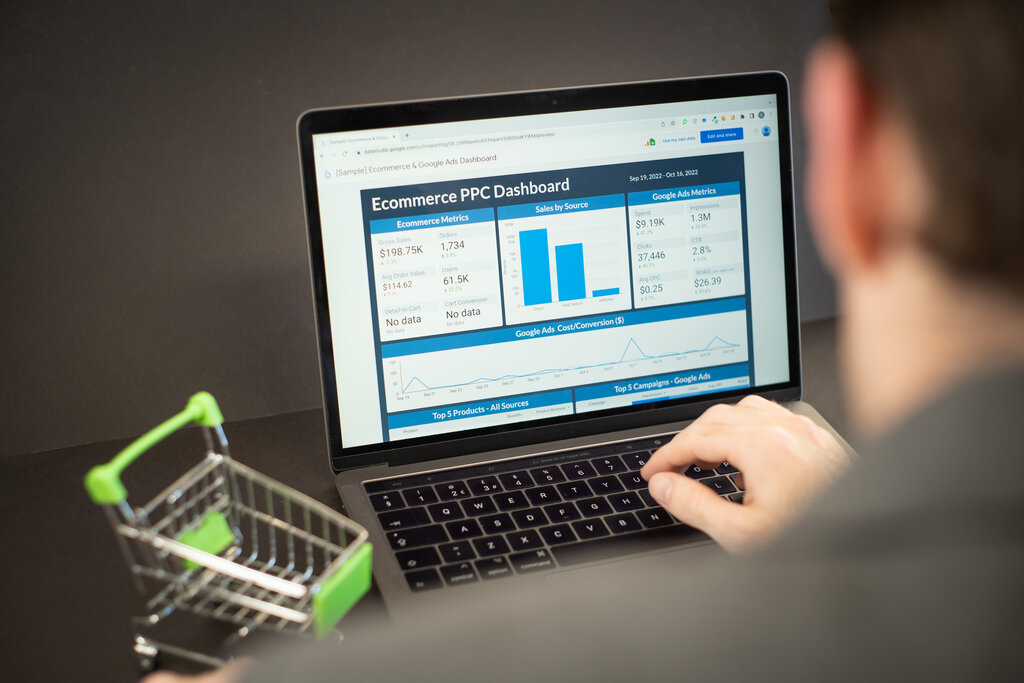
| Analytics & Reports | Understand your sales, orders, and customer behavior to make better decisions. |
This all-in-one approach is especially helpful for those just starting out. You don't have to piece together different services for payments, shipping, and web design. It's all connected and works together smoothly.
Shopify is especially useful for beginners as it doesn't require coding and offers great customer support tools
Powering Modern Commerce
Shopify isn't just a tool for small businesses. It has grown into a major force in the global e-commerce market, powering millions of stores in countries all over the world. These businesses range from a single person selling handmade goods from their living room to major brands that generate millions in revenue.
This growth is fueled by a massive ecosystem. The Shopify App Store offers thousands of apps that let you add new features to your store, from email marketing to customer loyalty programs. This flexibility allows the platform to adapt to a business's unique needs as it grows.
By giving merchants their own branded storefront, Shopify lets them build a direct relationship with their customers, something that's harder to do on a third-party marketplace.
Ultimately, Shopify's position in the market is built on its core mission: to make commerce better for everyone. It lowers the barrier to entry for entrepreneurship and provides the tools for businesses to scale on their own terms.
What product were the founders of Shopify originally trying to sell online, which led them to build their own e-commerce solution?
Shopify is referred to as a "hosted" platform. What major responsibility does this take off the business owner's plate?