Shop Floor Air Quality
Introduction to Shop Floor Ventilation
The Purpose of Ventilation
Shop floor ventilation is the process of moving air through an industrial workspace. But it's more than just opening a window or turning on a fan. It's a carefully designed system for controlling the air to protect people's health and safety.
Think of a kitchen range hood. When you fry something and smoke starts to fill the room, you turn on the hood's fan. It doesn't just blow the smoke around—it captures the smoke at its source and vents it outside, while fresh air comes in from elsewhere to replace it. Shop floor ventilation works on the same principle, just on a much larger scale.
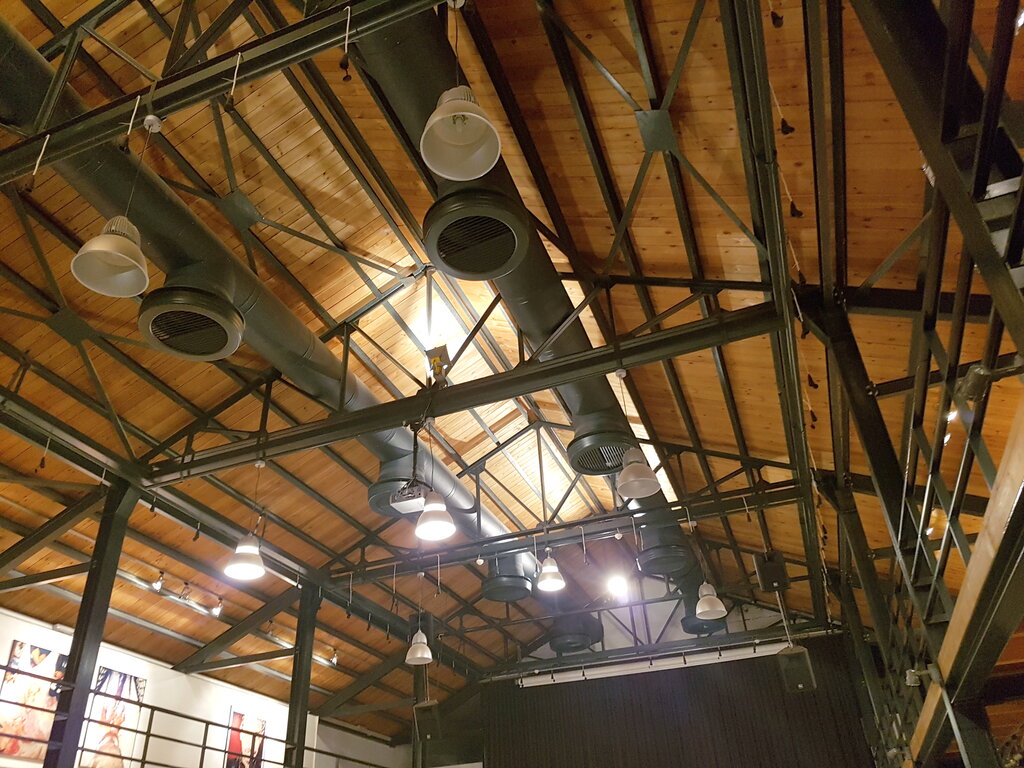
Industrial processes like welding, cutting, sanding, and chemical mixing can release harmful substances into the air. These are called contaminants, and they can include dust, metal fumes, chemical vapors, and other airborne particles. Without proper ventilation, these contaminants can build up to dangerous levels.
A well-designed industrial ventilation system helps maintain a safe, productive work environment by reducing harmful airborne contaminants, maintaining clean air, and meeting Occupational Safety and Health Administration (OSHA) standards.
How Air Moves
Controlling air on a shop floor relies on a fundamental principle of physics: air always moves from an area of higher pressure to an area of lower pressure. Ventilation systems create these pressure differences on purpose to direct airflow.
Imagine blowing up a balloon. The air inside is at a higher pressure than the air outside. When you let it go, the air rushes out, moving from high pressure to low pressure. A ventilation system does this more subtly. An exhaust fan pushes air out of a room, creating a slightly lower pressure inside. A supply fan pushes fresh air into a room, creating a slightly higher pressure.
By strategically placing supply and exhaust vents, engineers can create a predictable path for air to travel. This path is designed to capture contaminants near their source and carry them directly out of the building, preventing them from spreading through the workspace.
Health and Air Quality
The primary goal of shop floor ventilation is to protect worker health. Inhaling airborne contaminants can cause a range of health problems, from immediate issues like dizziness, headaches, and respiratory irritation to severe, long-term conditions affecting the lungs and other organs.
Effective ventilation significantly improves indoor air quality by continuously removing harmful substances and replacing them with clean, fresh air. This dilution process keeps the concentration of contaminants at a safe level.
Clean air isn't just about avoiding illness. It leads to increased alertness, better productivity, and a more comfortable working environment for everyone.
A good system also helps control temperature and humidity, which can be just as important for both worker comfort and the manufacturing process itself. Some materials and equipment require specific climate conditions to function correctly.
Let's check your understanding of these fundamental concepts.
What is the primary goal of a shop floor ventilation system?
Shop floor ventilation systems work by purposefully creating differences in what?
Understanding these basics of what ventilation is, why it's crucial, and how it works is the first step in creating a safe and healthy industrial environment.