Shoegaze and Doomgaze Guitar Composition
Extended Chord Voicings
Beyond the Triad: Dreamy Voicings
The signature sound of shoegaze and doomgaze isn't just about effects pedals. The harmony itself is built differently. While many genres rely on the straightforward stability of major and minor triads, these styles paint with a broader palette. They use extended chords to create lush, atmospheric textures that feel vast and emotional.
Instead of just stating a chord, these voicings create a mood. They add color, ambiguity, and a sense of longing that can sustain long, slow passages. It’s about letting notes ring into each other, creating a wash of sound where individual notes blur. We'll explore how to build these chords on the guitar, focusing on fingerings that maximize resonance and open up new sonic possibilities.
Adding Color: Major 7ths and Add Chords
The major 7th chord is a cornerstone of this dreamy sound. It’s a major triad with an added major seventh interval. This extra note introduces a touch of wistful sophistication. It’s the sound you hear in a lot of jazz, but in shoegaze, it’s often played with open strings to let the notes bleed together.
Think about playing a C Major chord, but instead of the standard shape, you voice it as x-3-2-0-1-0. That open B string ringing against the C and E creates that beautiful, slightly dissonant shimmer. The key is to find voicings that are comfortable to hold and that allow for maximum sustain.
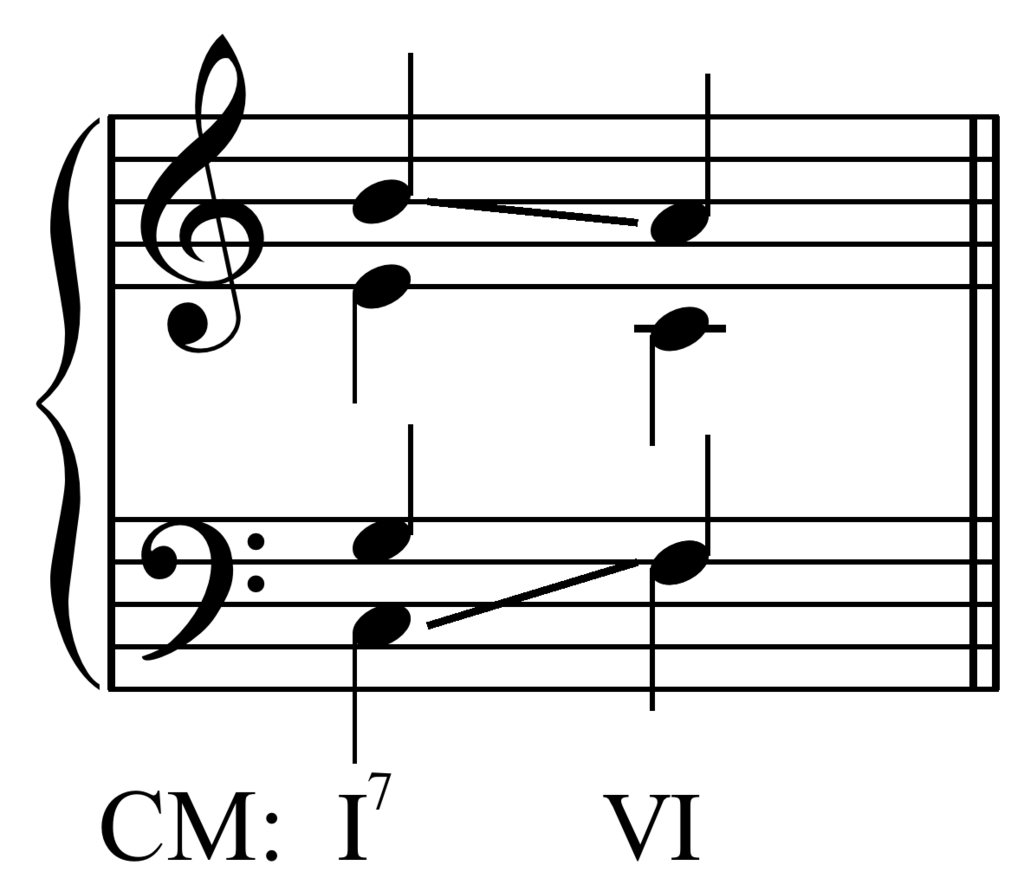
Similarly, add9 chords contribute a sense of space and openness. An add9 is simply a major or minor triad with the ninth (which is the same as the second, but an octave higher) added to the chord. The formula for a C(add9) is C-E-G-D. That added 'D' doesn't create tension like a dominant 7th; instead, it adds a bright, ethereal layer on top of the basic triad.
A great movable shape for an add9 chord is x-5-4-0-3-0. This shape, an A(add9), can be moved up and down the neck. The open strings create a constant drone, a technique that is fundamental to the shoegaze sound.
Ambiguity and Tension: Suspended Chords
Suspended chords are masters of ambiguity. They create a feeling of floating or waiting by replacing the third of the chord. Without the third, the chord is neither major nor minor. This unresolved quality is perfect for creating the drifting, hypnotic textures common in doomgaze.
A sus2 chord replaces the third with a major second. For example, a Dsus2 is D-E-A. A sus4 chord replaces the third with a perfect fourth, making Dsus4 D-G-A. You can often move between a sus2, a sus4, and the standard major or minor chord to create a sense of gentle movement within a static harmony.
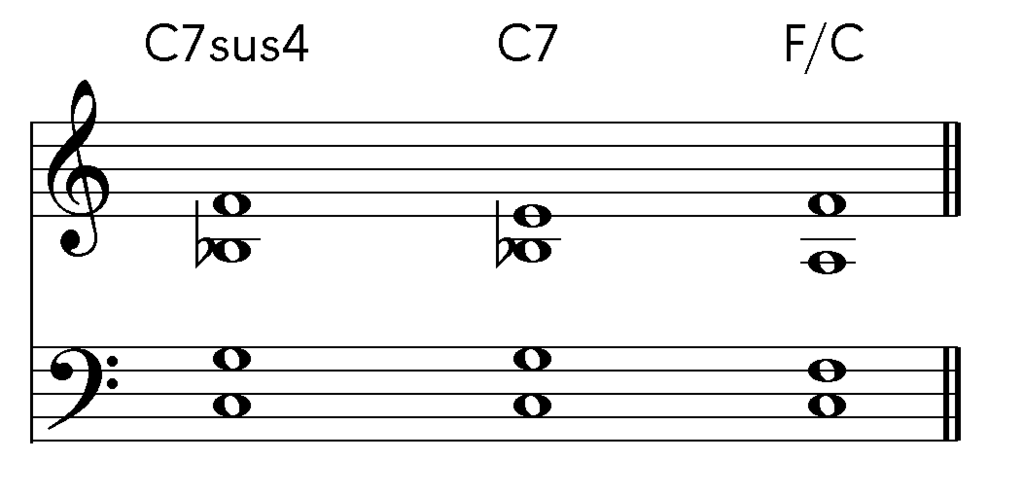
A classic application is to drone an open A string while playing different shapes on the D, G, and B strings. You could alternate between an A major (x-0-2-2-2-0), an Asus2 (x-0-2-2-0-0), and an Asus4 (x-0-2-2-3-0). This creates melodic interest without ever changing the root chord, building a simple, evolving pad of sound.
Going a step further, you can create cluster chords by grouping notes that are very close together, like a major or minor second. For example, playing a C major chord but adding a D right next to the C or E creates a dense, dissonant texture. These clusters are less about traditional harmony and more about creating a specific sonic texture. They add bite and grit to an otherwise dreamy soundscape.
Let's review some of the key concepts we've covered.
Now, test your understanding of these dreamy and dense chord structures.
What is the primary function of using extended chords like major 7ths and add9s in shoegaze music?
Which type of chord is defined by replacing the third with another note, making it neither major nor minor?
By moving beyond basic triads, you unlock the ability to compose with texture and atmosphere. These extended voicings are not just chords; they are the building blocks of the vast sonic landscapes that define shoegaze and doomgaze.