Shipyard Manufacturing Processes
Ship Design Fundamentals
The Digital Blueprint
Modern shipbuilding doesn't start with steel, but with data. Before a single plate is cut, a complete, highly detailed 3D model of the vessel is created using advanced computer-aided design (CAD) software. This isn't just a simple sketch; it's a comprehensive digital blueprint containing every component, from the curve of the hull to the exact placement of pipes, wiring, and machinery.
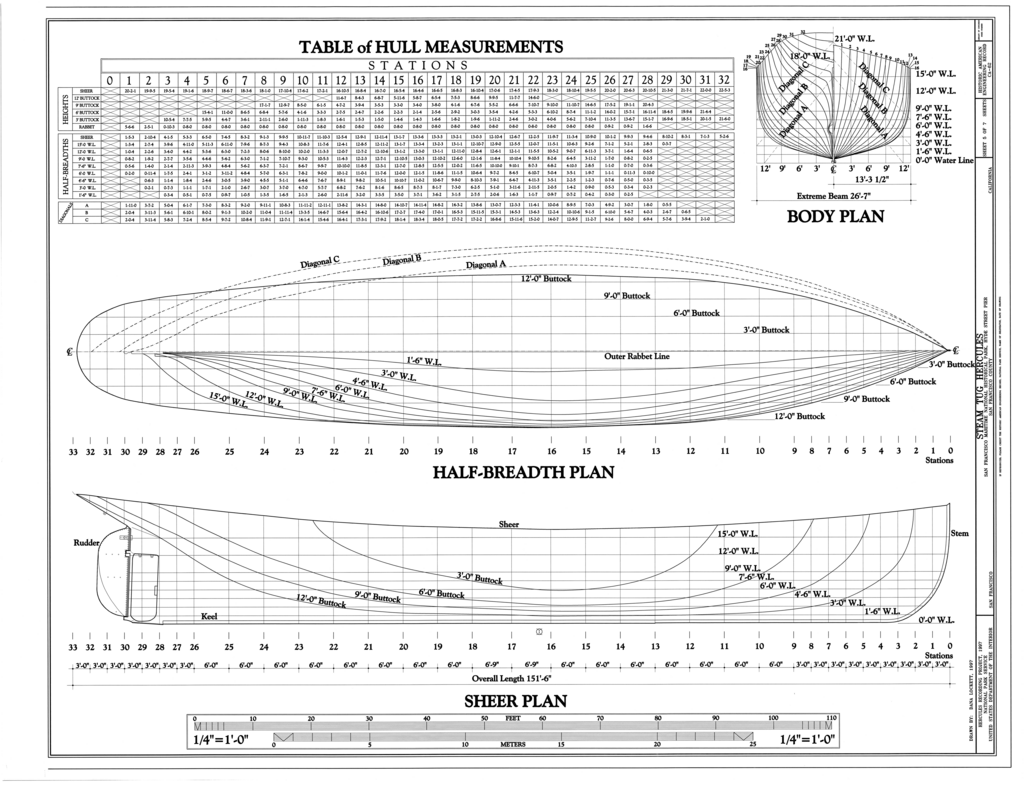
This digital approach allows naval architects and engineers to work with incredible precision. They can zoom in on a single weld or pull back to see the entire ship, ensuring that every part fits together perfectly. This digital model becomes the single source of truth for the entire project. But this model is more than just a static drawing. It's the foundation for a powerful simulation tool.
The Digital Twin
This advanced 3D model evolves into what's known as a digital twin. It's a virtual, dynamic replica of the physical ship that lives and changes in the computer.
A digital twin is a living simulation of the ship, allowing engineers to test it in countless scenarios before construction even begins.
With this virtual vessel, engineers can run sophisticated tests. They can simulate how the ship will behave in a storm, measuring its stability as it rolls and pitches in virtual waves. They can analyze hydrodynamics, studying how water flows around the hull to optimize its shape for speed and efficiency. This process, called computational fluid dynamics (CFD), helps refine the design to minimize drag.
The benefits extend beyond performance. The digital twin is crucial for planning the ship's internal layout. Engineers can virtually 'walk' through the engine room to ensure a mechanic has enough space to access and service a specific pump. They can check that maintenance hatches are large enough and in the right places. This foresight prevents expensive and time-consuming changes on the shipyard floor.
Furthermore, designers can model the ship's fuel consumption under different operating conditions. By simulating various speeds, cargo loads, and sea states, they can accurately predict the vessel's efficiency and operational costs over its entire lifespan. This allows for design choices that prioritize fuel economy and reduce environmental impact.
Ready to test your knowledge on these foundational concepts?
What is the primary role of the initial 3D model in modern shipbuilding, before any physical construction begins?
The virtual, dynamic replica of a physical ship that is used to run sophisticated tests and simulations is known as a ___________.
Using digital twins allows shipbuilders to identify and solve problems in the virtual world, resulting in a more efficient, reliable, and cost-effective vessel.