Shipping Management Essentials
Introduction to Logistics and Supply Chain
The Journey of a Product
Think about the device you're using to read this. It didn't just appear in a store. It started as raw materials sourced from different parts of the world, was assembled in a factory, packaged, shipped across oceans, stored in a warehouse, and finally delivered to a retailer or your doorstep. This entire journey is a supply chain.
A supply chain is the network of organizations, people, activities, information, and resources involved in moving a product or service from a supplier to a customer.
Supply Chain Management (SCM) is the art and science of coordinating this complex network. The main goal is simple but challenging: get the right products to the right place, at the right time, in the right quantity, and at the right cost. It’s about balancing supply and demand efficiently to keep customers happy and businesses profitable.
Supply Chain Management (SCM) encompasses the coordinated management of resources, materials, information, and finances as a product or service moves from supplier to manufacturer to wholesaler to retailer to consumer.
The Core Components
A supply chain is made up of several key parts that work together. Understanding them is the first step to mastering how global trade works.
Procurement is about getting the goods and materials you need. This involves finding suppliers, negotiating prices, and purchasing everything required to make a product. It's the starting point of the entire process.
Transportation handles the movement of goods. Whether by ship, plane, train, or truck, this is the logistics of getting items from your supplier to your factory, from your factory to a warehouse, and from the warehouse to the customer. It's the connective tissue of the supply chain.
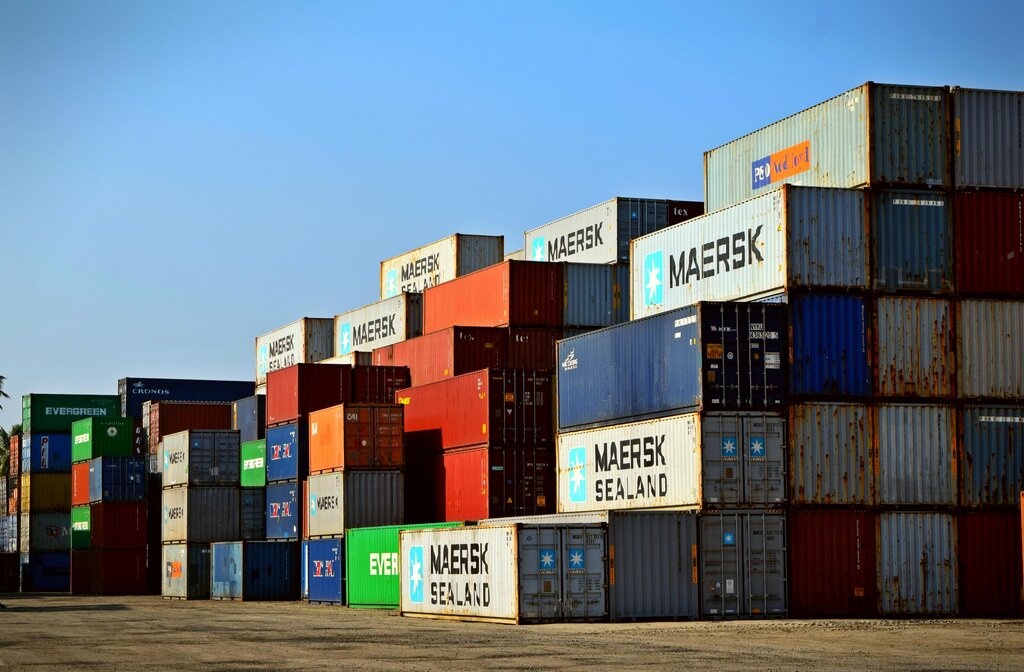
Warehousing is the storage of goods. After products are made, they often need to be stored before they're sold. Warehouses are the holding points in the supply chain, helping manage inventory and ensuring products are ready to go when an order comes in.
Distribution is the process of getting the finished product to the end user. This includes order fulfillment (picking and packing items), shipping, and last-mile delivery. It's the final, crucial step in satisfying a customer's order.
How We Got Here
The idea of logistics has been around for centuries, with origins in military operations—organizing and moving troops, equipment, and supplies. But modern supply chain management is a more recent development.
For a long time, businesses focused on optimizing individual functions. The manufacturing department worried about manufacturing, and the transportation department worried about transportation. There was little integration.
Over the past few decades, this has changed dramatically. Globalization transformed local or national supply chains into sprawling, international networks. Companies now source raw materials from one continent, assemble products on another, and sell to customers all over the globe.
This global shift required a new way of thinking. Companies realized they couldn't just manage one piece of the puzzle. They needed to see and manage the entire chain, from start to finish. This led to the rise of integrated supply chain management, powered by technology that provides visibility and control over these complex global operations.
Ready to check your understanding of these foundational concepts?
What is the primary goal of modern Supply Chain Management (SCM)?
Which part of the supply chain is specifically responsible for the storage of goods before they are sold?
Understanding these core ideas—what a supply chain is, its key components, and how it has evolved—provides the foundation for everything else in shipping and logistics management.