Shipping Container Production Unveiled
Introduction to Shipping Containers
The Steel Box That Shrank the World
At its heart, a shipping container is just a large, standardized steel box. But this simple invention is the backbone of the global economy. Before containers, moving goods was a slow, expensive, and chaotic process. Items were loaded and unloaded one by one, a system known as break-bulk shipping. It was a logistical nightmare.
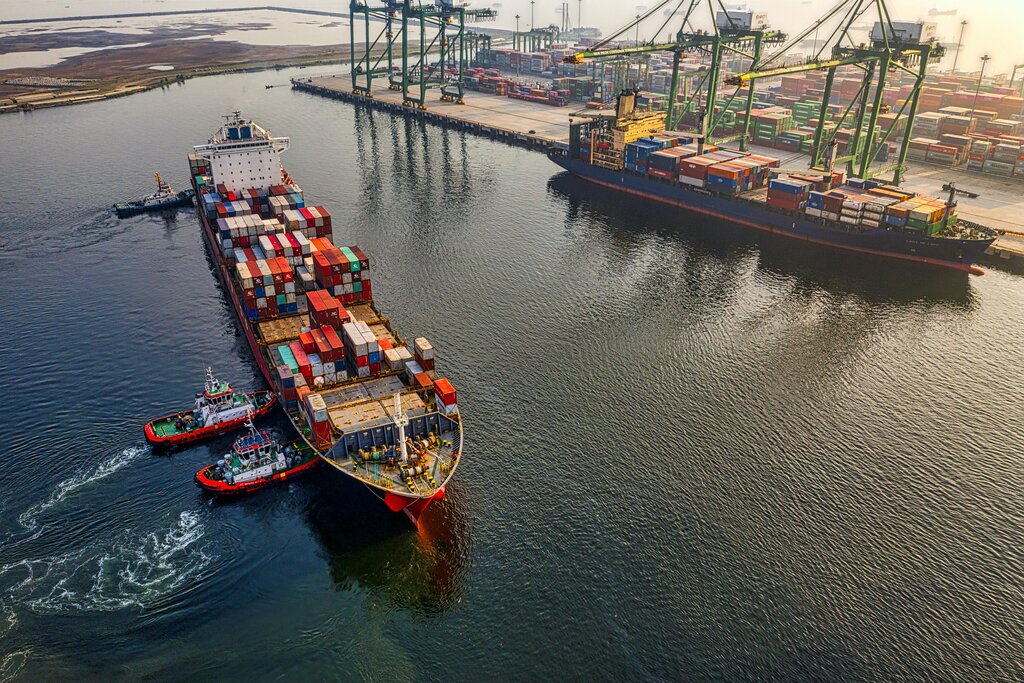
The invention of the shipping container has revolutionized the global supply chain, transforming the way goods are transported, stored, and distributed.
The shift to packing goods into these uniform boxes, a process called containerization, streamlined everything. It drastically cut down on handling time, reduced theft, and protected cargo from damage. Suddenly, shipping goods across oceans became faster, cheaper, and more reliable than ever before. This efficiency is what allows a smartphone assembled in Asia to be sold in Europe just days later, all at a reasonable cost.
A Trucker's Big Idea
The modern shipping container was born from the frustration of an American trucking magnate named Malcom McLean. In the 1950s, he watched dockworkers slowly move individual crates and sacks from his trucks onto a ship. He realised it would be much more efficient to just load the entire truck trailer onto the ship.
This idea evolved. Instead of the whole trailer, why not just a reinforced, standardized box that could be easily detached from the truck chassis and stacked on a ship? This was the breakthrough. McLean's company, Sea-Land, launched the first container ship, the Ideal X, in 1956. It sailed from New Jersey to Texas with 58 containers on board, kicking off a revolution in global trade.
By driving the cost of shipping way down and the speed of global commerce way up, containers made the globalization of manufacturing possible.
Standardization is Key
McLean's idea wouldn't have transformed the world without one crucial element: standardization. For containers to be truly useful, they needed to be the same size and have the same fittings everywhere. A container loaded in Mumbai had to fit perfectly on a truck in Hamburg and a train in Chicago.
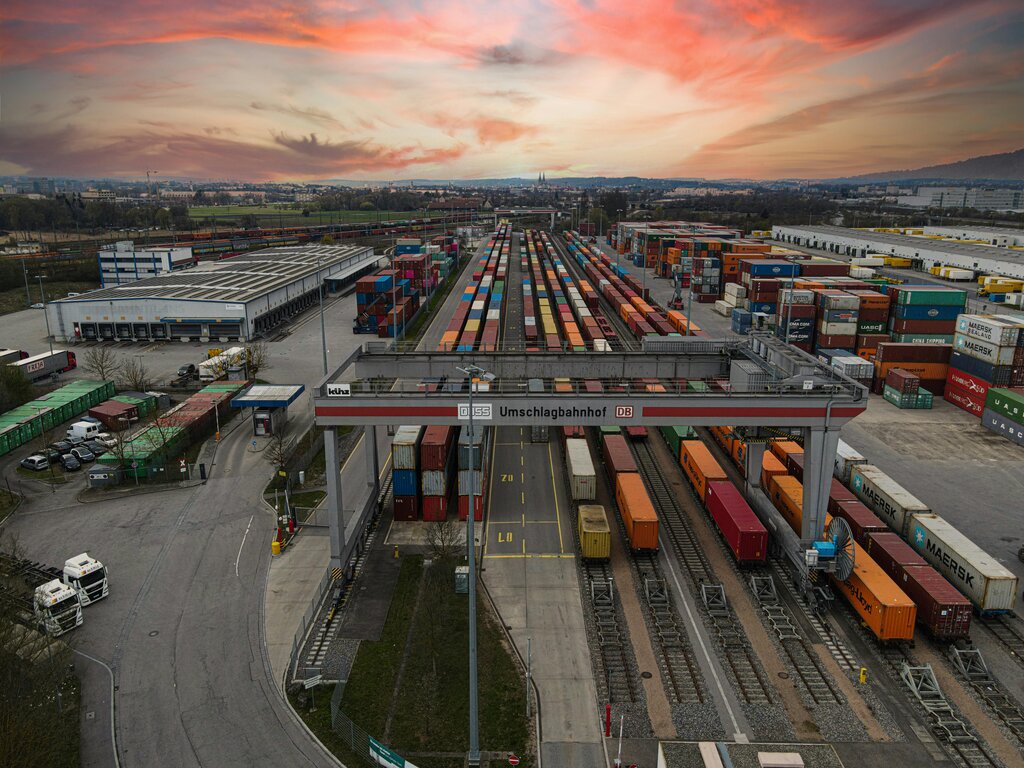
This led to the creation of international standards, managed by the International Organization for Standardization (ISO). ISO 668 is the key standard that defines the dimensions, specifications, and ratings for shipping containers. These rules ensure that every container, no matter who owns it or where it was made, can be handled by the same equipment globally. This uniformity is what enables seamless intermodal transport, the movement of cargo from its origin to destination using several modes of transport without handling the freight itself.
Intermodal
adjective
The use of two or more modes, or carriers, to transport goods (freight) from shipper to consignee.
Not Just a Simple Box
While the standard dry cargo container is the most common, a variety of specialized containers exist to handle different types of goods. Each is designed to meet specific shipping needs, from perishable food to industrial chemicals.
| Container Type | Description | Common Cargo |
|---|---|---|
| Dry Storage | The most common type. Fully enclosed and weatherproof. | General goods, electronics, clothing. |
| Refrigerated (Reefer) | Insulated and equipped with a refrigeration unit to maintain a specific temperature. | Fruits, vegetables, meat, pharmaceuticals. |
| Open Top | Has a removable tarpaulin roof instead of a solid one. | Tall machinery, heavy materials that need to be loaded by crane. |
| Flat Rack | Has collapsible sides, or no sides at all, just end walls. | Boats, vehicles, large industrial parts. |
| Tank (Tanktainer) | A cylindrical tank housed within a standard container frame. | Liquids, gases, and powders. |
Understanding these basic building blocks of global logistics is the first step. The simple, standardized container is a marvel of engineering that keeps our modern world moving.