Shenandoah Family Canvas Camping
Canvas Site Selection
Choosing Your Canvas Outpost
Setting up a heavy canvas tent like a Springbar Skyline is less about pitching a tent and more about establishing a base camp. Unlike a lightweight backpacking shelter, your 10x14 foot canvas home has a significant footprint and weight. Its stability relies entirely on a high-tension staking system. This means site selection isn't just about a nice view; it's a logistical challenge that determines the success of your setup, especially in the rolling terrain of Shenandoah.
Ground Control
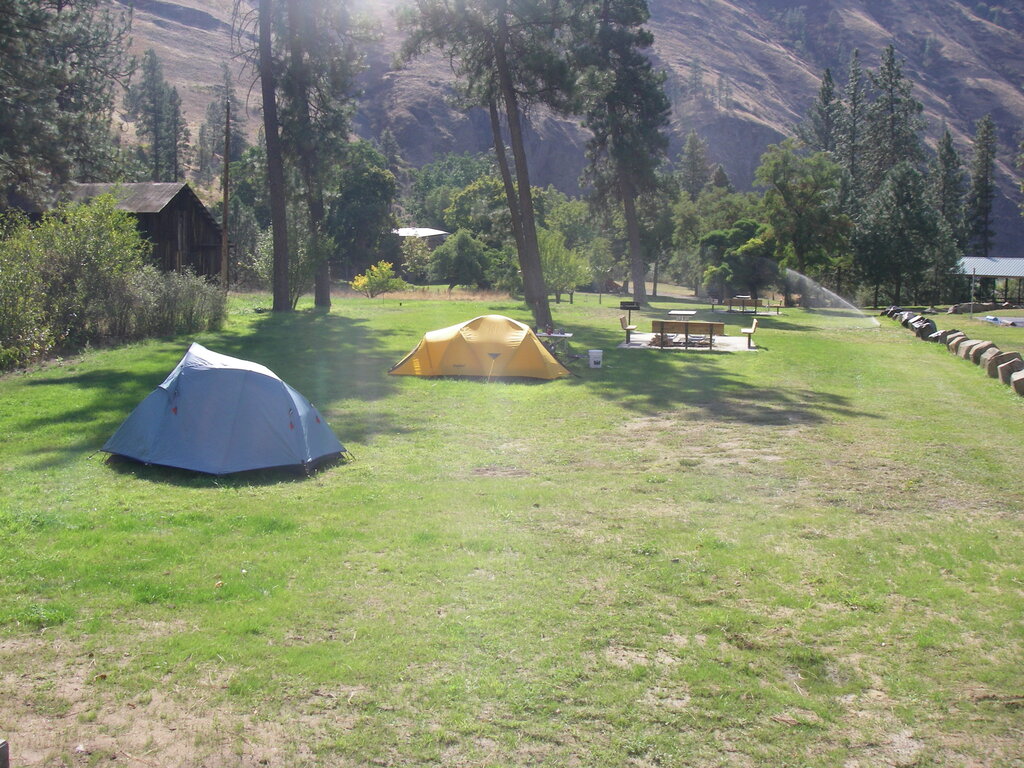
The ideal site for a large canvas tent starts with the ground itself. Your first priority is drainage. The heavy-duty floors on these tents are water-resistant, but they aren't 'bathtub' style. If you set up in a low spot, even a moderate rain can cause water to pool and seep underneath, creating a mess inside. When you arrive at a campground like Big Meadows or Loft Mountain, look for a tent pad or a spot that's slightly elevated compared to its immediate surroundings. Avoid any obvious depressions, no matter how flat they look.
Next, assess the ground's firmness. The Springbar's unique flex-bow design gets its taut, storm-worthy structure from immense tension applied to the stakes. Pitching it is like stringing a massive bow. If the ground is too soft or loamy, the stakes will pull out under this load, causing the tent to sag or collapse. Before you unload your gear, test the ground. Can you easily push a stake in with just your hand? If so, it’s likely too soft. You're looking for firm soil that requires a mallet to drive the stakes home. This ensures they'll grip securely against the constant pull of the tensioned frame.
Look Up and Live
In the oak-hickory forests of the Blue Ridge, one of the most critical steps is looking up. You must scan the canopy for overhead hazards, particularly dead branches or entire dead trees known as . These can be dislodged by wind and fall without warning. A falling branch can not only pose a serious safety risk but can also easily rip or puncture your expensive canvas roof.
Before you unpack, take a full five minutes to walk around the potential site, looking up at the surrounding trees from all angles. Check for broken limbs caught in other branches and listen for creaking sounds in a breeze.
Bracing for Blue Ridge Winds
Mountain weather is unpredictable, and a strong gust of wind can appear suddenly. Proper tent orientation is your best defense. Ideally, you want to position the tent so one of its shorter ends faces the prevailing wind. This presents a smaller profile and allows the wind to flow over the sloped roof more easily. Placing a long, flat 14-foot wall broadside to the wind is like raising a sail—it puts enormous strain on your frame and stakes.
You can use natural features as windbreaks. A line of trees or a small hill can offer significant protection, but balance this with the need to avoid overhead hazards. Never camp directly under a suspect tree just to block the wind. Also, consider the placement of your door. If possible, orient it on the leeward (downwind) side of the tent to prevent wind and rain from blowing directly inside whenever you enter or exit.
Now that you know how to pick the perfect spot, let's test your knowledge.
When selecting a site for a large canvas tent, why is it crucial to avoid setting up in a low spot or depression?
You're testing the ground for your Springbar tent. You find you can easily push a stake all the way in with just your hand. What does this indicate?