Sharpen Your Critical Thinking
Introduction to Critical Thinking
What is Critical Thinking?
Critical thinking isn't about being negative or finding fault. It's about thinking clearly and rationally. It's the skill of actively and carefully evaluating information to form a judgment.
Think of it as being a detective for ideas. You don't just accept clues at face value. You examine them, question their source, and see how they connect before reaching a conclusion.
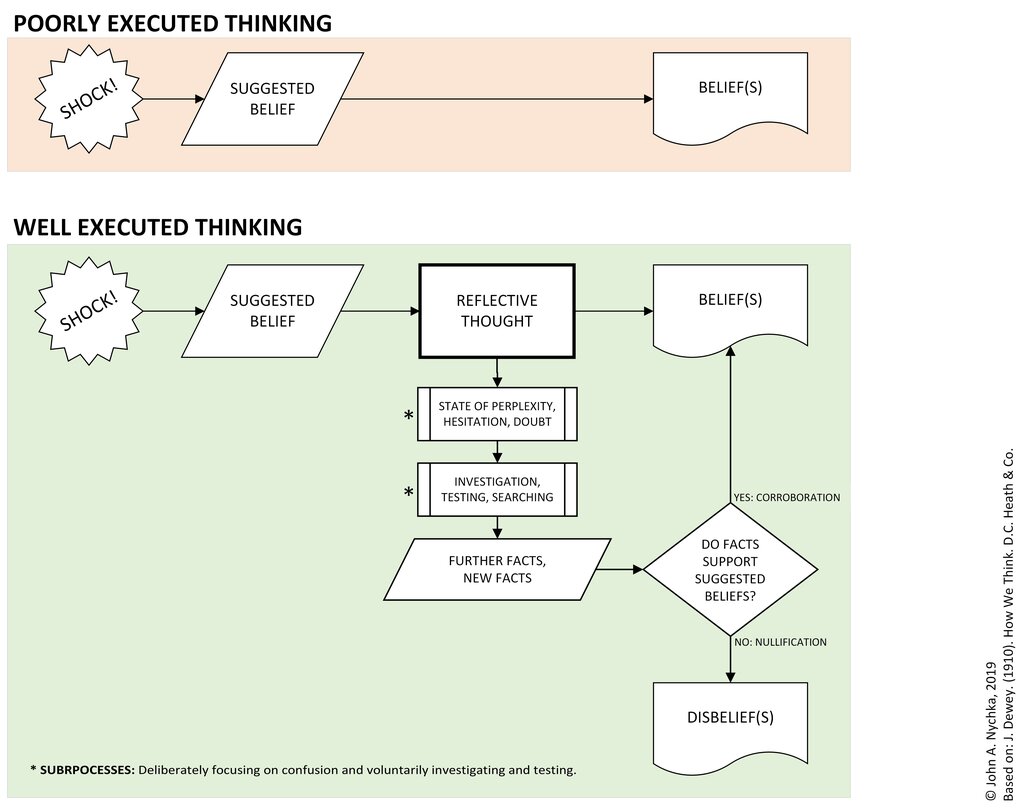
This process involves stepping back from your immediate gut reaction to look at a situation from multiple angles. It’s about asking questions like “What's really going on here?”, “Do I have all the facts?”, and “What are the possible consequences of this decision?” This deliberate, reflective approach is the core of critical thinking.
analysis
noun
The detailed examination of the elements or structure of something.
Why It Matters
In a world overflowing with information, critical thinking is a vital skill. Every day, we're bombarded with news, opinions, and advertisements, all competing for our attention. Without the ability to evaluate this information, it's easy to be misled or to make decisions based on faulty reasoning.
Professionally, critical thinking is highly valued. Employers look for people who can solve complex problems, innovate, and make well-reasoned decisions. Whether you're a doctor diagnosing a patient, a programmer debugging code, or a manager developing a strategy, the ability to think critically is essential for success.
In your personal life, this skill helps you navigate relationships, manage your finances, and make better choices about your health and well-being. It empowers you to understand your own beliefs and values more deeply, leading to greater self-awareness and personal growth.
Critical thinking is a fundamental skill that empowers students to analyse information, evaluate arguments, and form reasoned judgements.
The Basic Process
While there are many specific techniques, the core process of critical thinking generally follows a few key steps. It starts with identifying a problem or question. Then you gather information, analyze it, and evaluate it for credibility and relevance.
After evaluating the information, you consider different perspectives and potential solutions. Finally, you form a conclusion or make a decision based on your analysis. This isn't always a rigid, linear process; you might circle back to earlier steps as you learn more. The goal is to move from a passive acceptance of information to an active engagement with it.
Let's review some of the key ideas.
Now, let's test your understanding.
What is the primary goal of critical thinking?
True or False: The process of critical thinking is a rigid, linear sequence of steps that must be followed in exact order.
Developing critical thinking is a journey. By practicing these foundational steps, you build a powerful tool for navigating an increasingly complex world.