Share Market Essentials
Introduction to Stock Markets
What Is a Stock Market?
Think of a stock market as a massive, organized marketplace. But instead of selling fruits and vegetables, it's a place for buying and selling tiny pieces of companies. These pieces are called stocks or shares. When you buy a stock, you're purchasing a small slice of ownership in that company.
The main purpose of this market is to connect two groups: companies that need money to grow, and people (investors) who have money and want to put it to work. For companies, selling stock is a way to raise cash to fund new projects, hire more people, or expand their business. For investors, buying stock is a way to potentially grow their money over time as the company succeeds.

How Exchanges Work
The buying and selling of stocks happens on a stock exchange. Exchanges like the New York Stock Exchange (NYSE) or Nasdaq provide the infrastructure for these transactions to happen in a fair and orderly way. They set the rules, ensure transparency, and use technology to match buyers with sellers almost instantly.
Most people don't trade directly on the exchange. Instead, they use a broker.
broker
noun
An individual or firm that acts as an intermediary between an investor and a securities exchange.
Brokers are licensed to execute trades on behalf of their clients. When you decide to buy a stock using a trading app or a financial advisor, you're giving an instruction to a broker, who then carries out the transaction on the exchange for you. Dealers, on the other hand, buy and sell securities for their own accounts, acting as a direct party in a transaction.
Tracking the Market
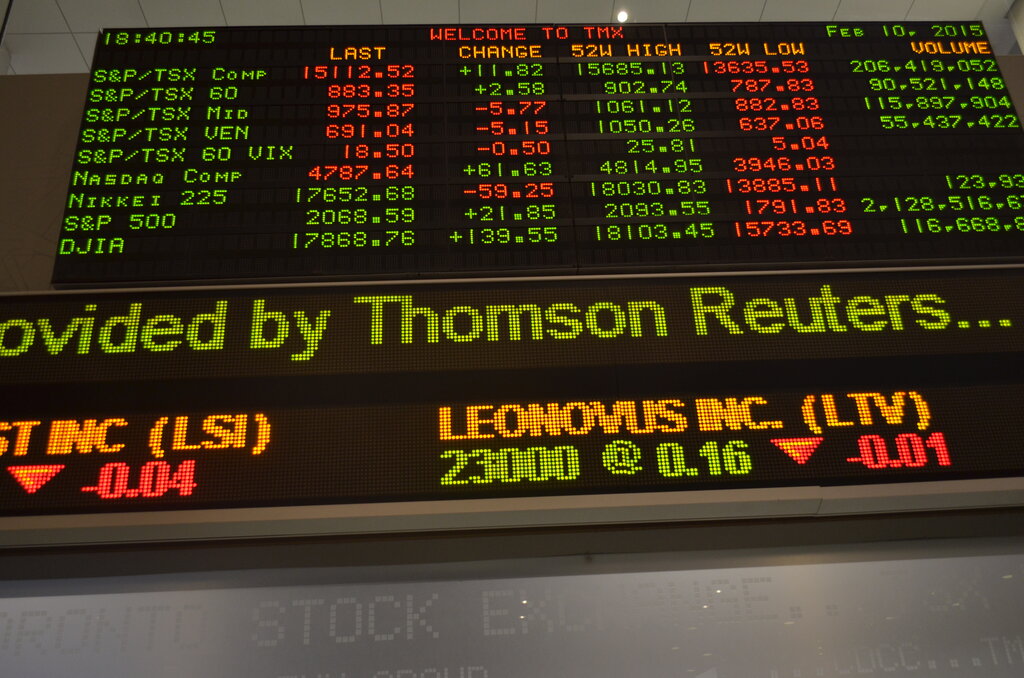
With thousands of companies listed on stock exchanges, how can you tell how the market is doing overall? That's where stock indices come in.
An index is a curated list of stocks that represents a portion of the market. By tracking the collective performance of these stocks, an index gives a snapshot of the market's health and direction. It’s like checking the average temperature of a large room instead of measuring the temperature in every single corner.
Two of the most widely followed indices in the U.S. are the S&P 500 and the Dow Jones Industrial Average (DJIA).
| Index | What It Tracks | How It's Weighted |
|---|---|---|
| S&P 500 | 500 of the largest U.S. companies | By company's market capitalization |
| DJIA (The Dow) | 30 large, well-known U.S. companies | By the price of one share of stock |
When you hear news reports saying "the market was up today," they are often referring to the performance of a major index like the S&P 500.
Two Flavors of Stock
Not all stocks are created equal. The two main types are common stock and preferred stock. Most investors deal with common stock, which represents ownership and typically comes with voting rights. This means shareholders can vote on company matters, like electing the board of directors.
Preferred stock is a bit different. It usually doesn't come with voting rights, but it has a higher claim on the company's assets and earnings. This means preferred shareholders are paid their dividends before common shareholders. If the company were to go out of business, they would also be paid back before common stockholders.
Common stock offers a vote and potential for high growth. Preferred stock offers more stable dividend payments and less risk.
Ready to check your understanding? Let's see what you've learned about the stock market.
What is the primary purpose of the stock market?
When you use a trading app to buy a stock, a __________ is executing that trade on your behalf.
Understanding these core components—what a market is, who the key players are, and what's being traded—is the first step in making sense of the world of investing.