Sharada Script Mastery
Script Evolution
From Brahmi to Kashmir
The story of the Sharada script begins long before it got its name. Its roots trace back to the ancient Brahmi script, the ancestor of nearly all writing systems in South and Southeast Asia. Around the 5th century CE, a descendant of Brahmi known as the Gupta script became widespread. This script was the direct parent of Sharada.
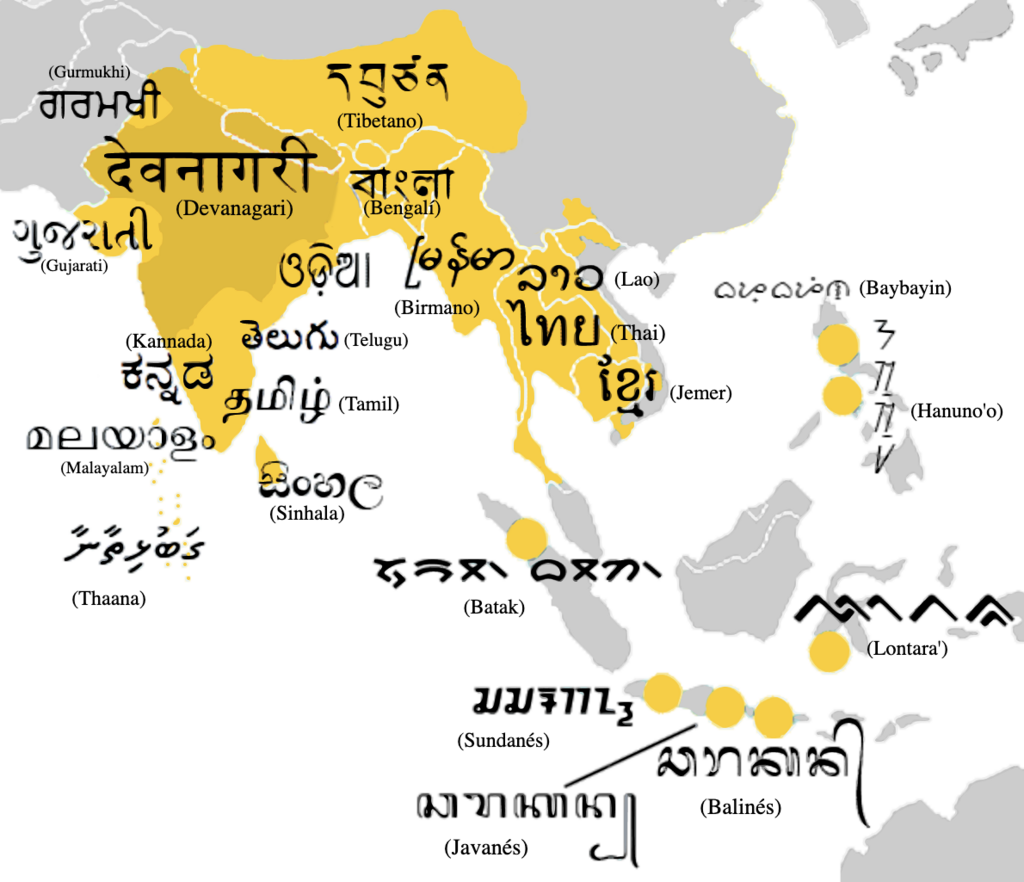
For a few centuries, the writing used in northwestern India was a transitional form called Siddhamatrka. It acted as a bridge between the earlier Gupta style and the regional scripts that would follow. By the 8th century CE, Siddhamatrka had evolved enough in the Kashmir region to be recognised as a distinct script. This new script was Sharada.
The Stages of Sharada
Sharada's development didn't stop there. Palaeographers divide its history into two main phases. The first is 'Early Sharada', which was used from the 8th to the 10th centuries. This early form still bore a strong resemblance to its Siddhamatrka parent. The characters were fluid, and the strokes had a certain calligraphic elegance.
From the 14th century onwards, the script entered its 'Modern Sharada' phase. The most noticeable change was a 'stiffening' of the characters. Strokes became thicker and more uniform, losing some of the earlier grace. This is the version of the script that the [{
A Tale of Two Scripts
Sharada is often compared to its sibling script, Devanagari, which also evolved from Siddhamatrka. While they share a common ancestor, their paths diverged. Early Sharada characters often feature more open loops and flowing descenders. In contrast, early Devanagari characters were more compact and squared-off, with the distinctive horizontal headline being a more prominent and consistent feature from an earlier stage. The thickening of vertical strokes in later Sharada made it visually heavier than Devanagari, which maintained a more balanced stroke width.
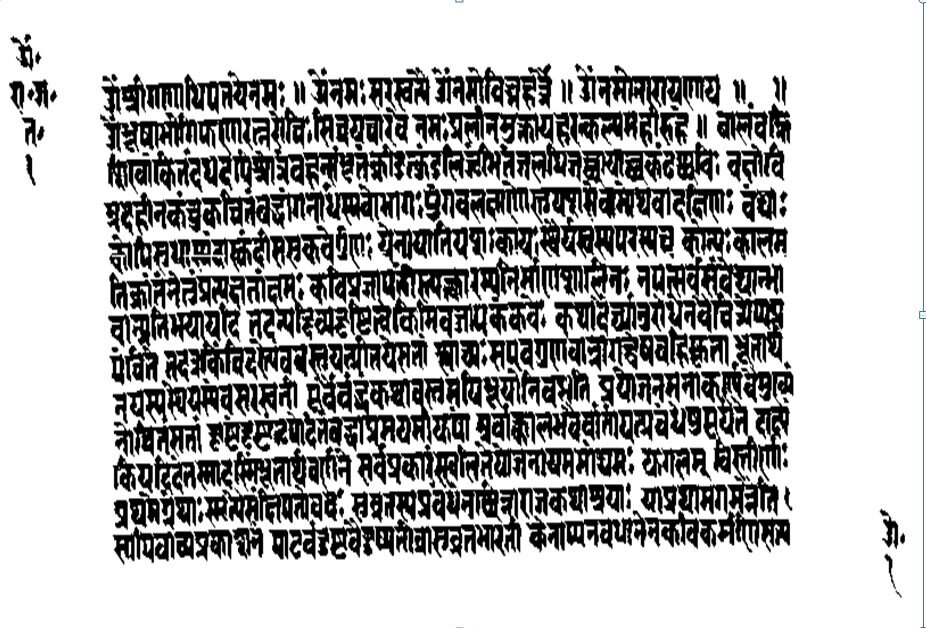
Sharada's influence wasn't limited to Kashmir. Its use spread to neighbouring regions like Punjab and Himachal Pradesh. Over time, this led to the development of other scripts. The Gurmukhi script, used for writing Punjabi, and the Takri script, once common in the Himalayan foothills, are both direct descendants of Sharada. Each carries traces of its parent, adapted for local languages and materials.
By understanding the evolution from Brahmi through Siddhamatrka to Sharada, we can appreciate its unique place in the history of writing. Its structural changes over time and its relationship with Devanagari and other regional scripts allow historians to date manuscripts and trace the flow of knowledge across ancient northwestern India.