Shape Up Your Life
Understanding Physical Fitness
More Than Just Muscle
When you hear the term "physical fitness," you might picture an elite athlete or a bodybuilder. But fitness isn't just for the pros. It's the ability to handle your daily tasks with energy left over for unexpected challenges and leisure activities. It’s about feeling strong, capable, and well in your own body.
Physical Fitness
noun
A state of health and well-being that allows you to perform aspects of sports, occupations, and daily activities.
Think of it as your body's readiness for life. A good level of fitness helps you move through your day without undue fatigue, whether that means carrying groceries, playing with your kids, or going for a hike. To understand it better, we can break fitness down into four core components.
The Four Pillars of Fitness
A truly fit person has a healthy balance of four different elements. Each one plays a unique role in your body's overall function.
- Cardiovascular Endurance
This is your body's ability to keep up with activity over a sustained period. It reflects how well your heart, lungs, and blood vessels work together to transport oxygen to your muscles. If you can climb several flights of stairs or walk briskly without getting completely out of breath, you're seeing your cardiovascular endurance in action.

Good cardiovascular health is crucial for preventing heart disease and other chronic conditions. It’s the foundation of your body's energy system.
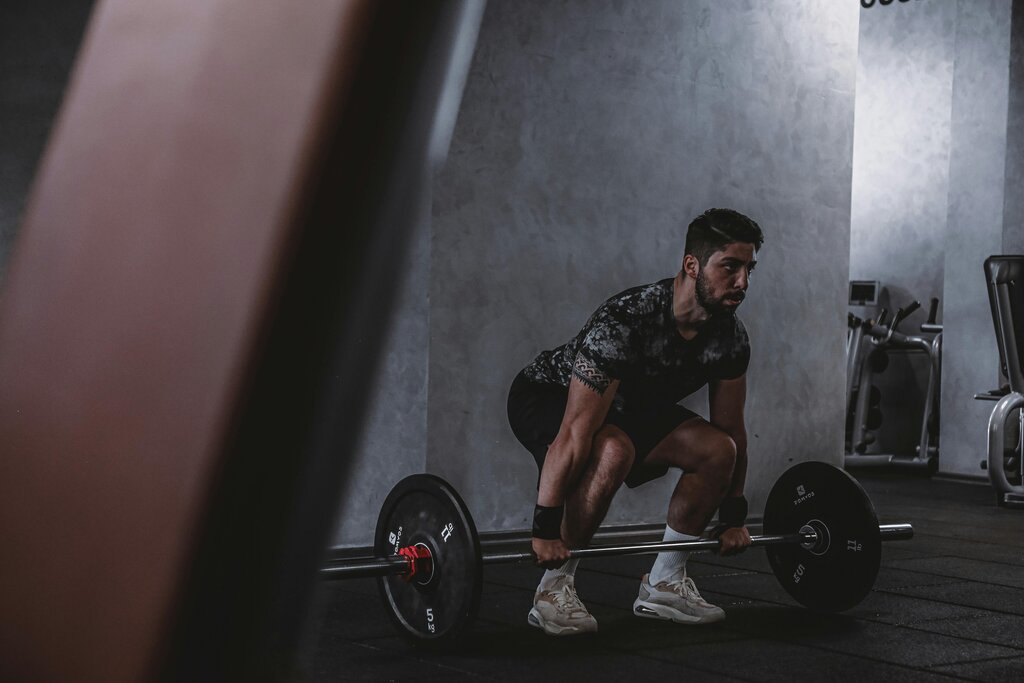
- Muscular Strength and Endurance
While often grouped together, muscular strength and endurance are slightly different. Strength is the maximum force a muscle can exert in a single effort, like lifting a heavy box. Endurance is the ability of a muscle to perform repeated movements over time without getting tired, such as doing multiple push-ups or carrying a heavy backpack for an hour.
Both are vital. You need strength for powerful movements and endurance to sustain effort. Together, they support your joints, improve your posture, and boost your metabolism.
- Flexibility
Flexibility is the range of motion of your joints. It's what allows you to bend down and tie your shoes, reach for an item on a high shelf, or look over your shoulder without straining your neck. Maintaining flexibility helps prevent injuries, reduces muscle soreness, and improves your ability to move freely and comfortably.

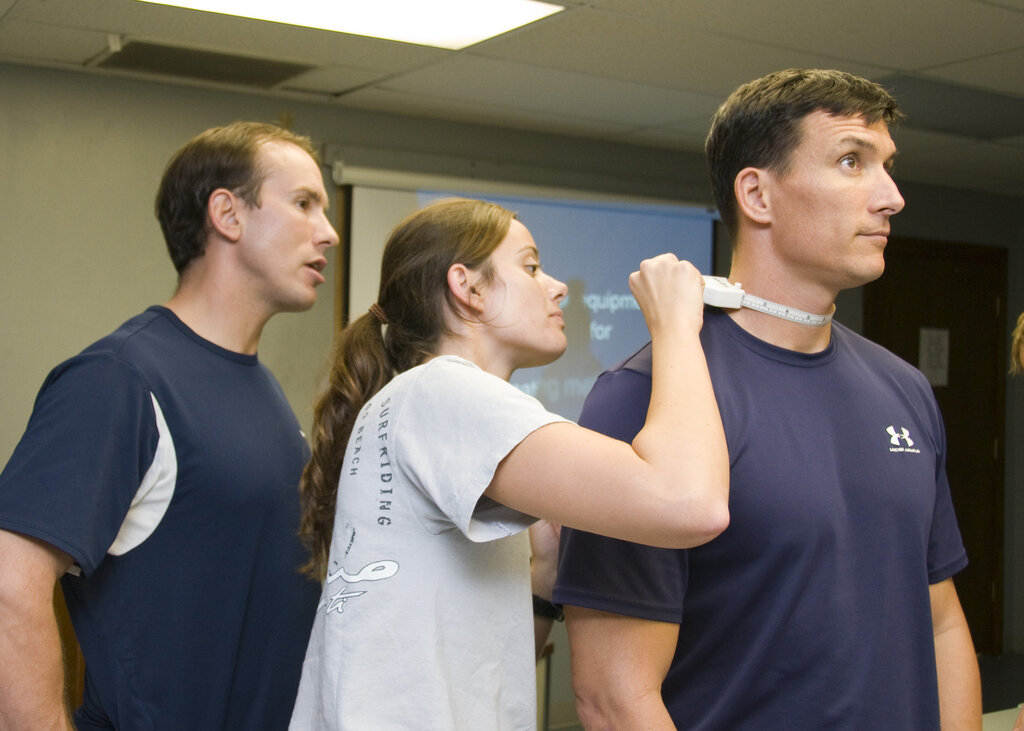
- Body Composition
This component refers to the proportion of fat mass to lean mass (muscle, bone, and water) in your body. It's a more accurate indicator of health than weight alone. Two people can weigh the same, but one might have a higher percentage of body fat, putting them at greater risk for health problems.
A healthy body composition means having a lower percentage of body fat and a higher percentage of lean mass. This is achieved through a combination of regular exercise and a balanced diet.
Fitness in Everyday Life
Improving these four components doesn't just help you in the gym; it transforms your daily life. With better fitness, you'll find you have more energy throughout the day. Tasks that once felt draining become easier. Your mood can improve, your sleep can become more restful, and you build resilience against stress.
Ultimately, physical fitness gives you the freedom to live a fuller, more active life. It's not about achieving a perfect body, but about building a body that serves you well in everything you want to do.
Ready to check your understanding of these core concepts?
According to the text, what is the best definition of physical fitness?
Which component of fitness refers to the proportion of fat mass to lean mass in the body?