Shanko Metal Ceilings vs The Competition
Introduction to Metal Ceilings
A New Ceiling
In the latter half of the 19th century, ornate plaster ceilings were a sign of wealth and taste. Crafting them was a slow, expensive process requiring skilled artisans. The finished product was beautiful but heavy, prone to cracking from building shifts, and easily damaged by water leaks from the floor above. There had to be a better way.
Enter the metal ceiling. Patented in the United States in the 1860s, these ceilings were first made from thin sheets of tin-plated steel. They offered the decorative appeal of plaster but were far more practical. They were lightweight, durable, and relatively inexpensive to produce.
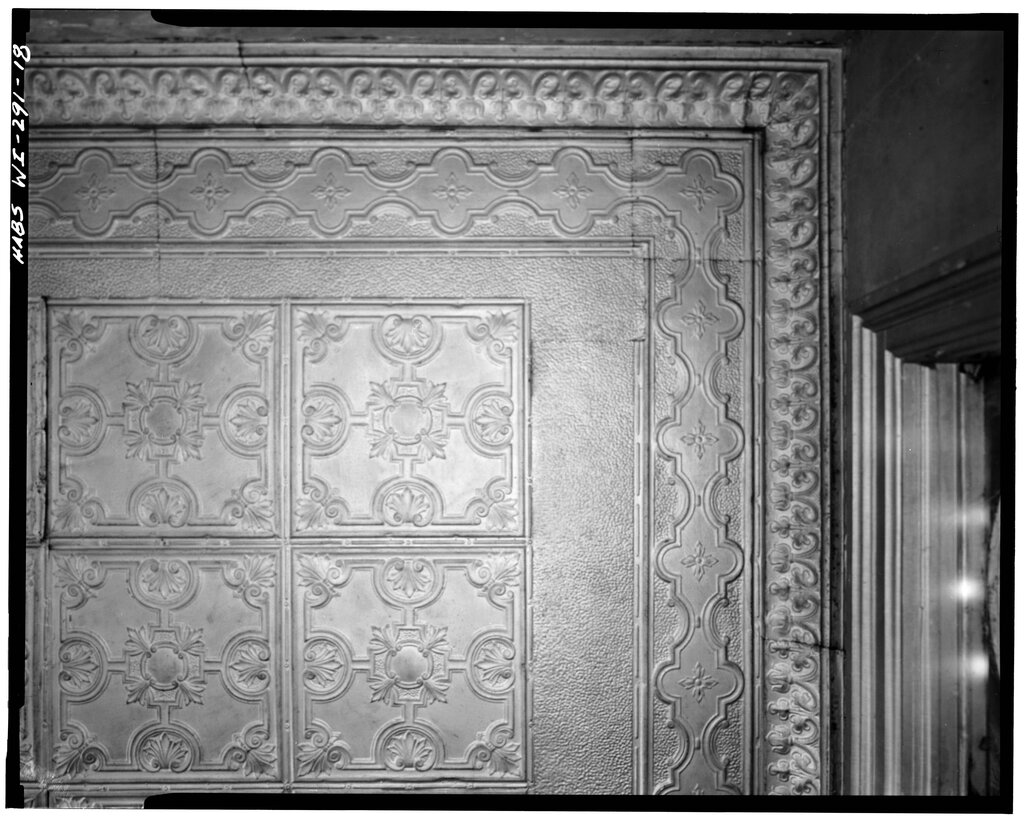
This new invention took off, especially in North America. Business owners loved them for their fire resistance—a major concern in crowded cities with wooden buildings. Homeowners appreciated them as a stylish and affordable way to cover up cracked plaster or unfinished ceilings. From general stores to grand hotels, the stamped metal ceiling became a hallmark of Victorian architecture.
From Sheet to Style
The term “tin ceiling” is a bit of a misnomer. The panels were never made of pure tin, which is too soft. Instead, they were made from sheets of steel lightly coated in tin to prevent rust. Over time, other materials like steel, aluminum, and even copper were used.
The manufacturing process was a marriage of industry and art. Large, heavy dies, carved with intricate patterns, were mounted in powerful machines. A simple sheet of metal was placed in the press, and a massive hammer or hydraulic press would drop, permanently embossing the design onto the panel.
This process, known as stamping or pressing, allowed for the mass production of highly detailed ceiling panels, making ornate styles accessible to the middle class for the first time.
More Than Just Metal
The benefits of metal ceilings go beyond their origins as a plaster alternative. Aesthetically, they offer a huge range of styles. Patterns varied from simple geometric grids and egg-and-dart borders to elaborate floral designs inspired by nature. This versatility allowed them to fit into different architectural styles, from Victorian to Art Deco.
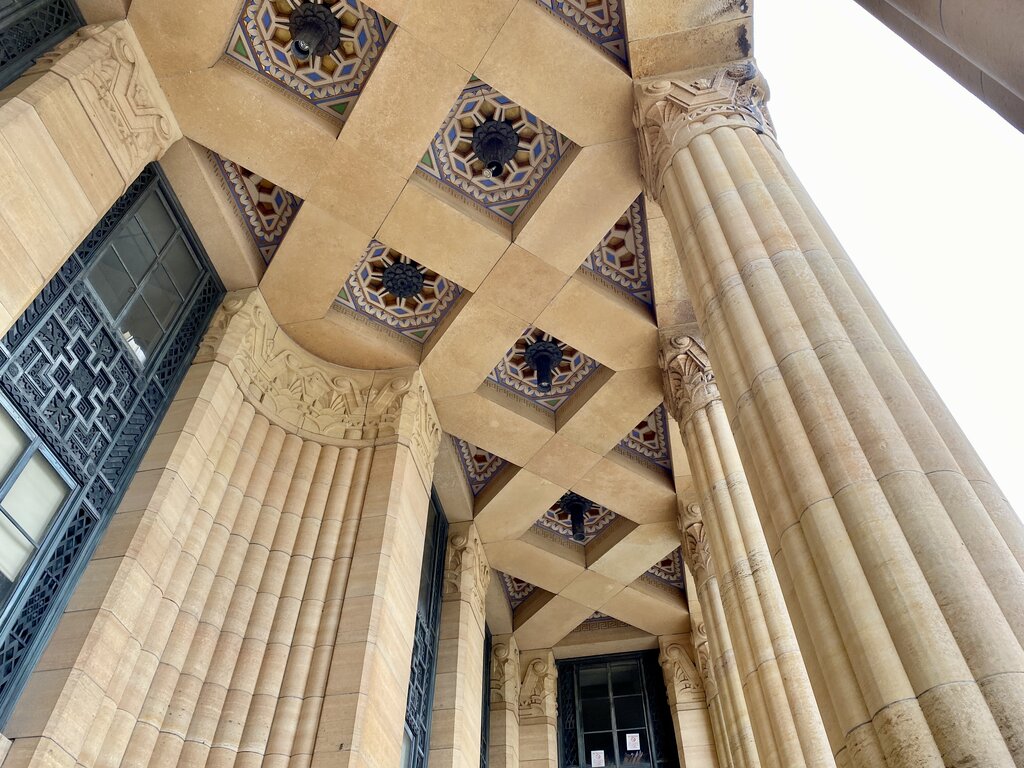
Functionally, their advantages are clear. Metal panels are incredibly durable, resisting the sagging and water damage that plagues other materials. They are easy to clean and maintain, and can be painted to match any decor. Perhaps most importantly, their fire resistance provided a crucial safety advantage that remains a benefit today.
From their practical beginnings to their status as a beloved historical design element, metal ceilings have proven to be a lasting and beautiful architectural innovation.
Time to check what you've learned.
What was the primary reason for the development of metal ceilings in the latter half of the 19th century?
The term “tin ceiling” is a misnomer because the panels were originally made from what material?
These ceilings are a fascinating example of how new technology can solve old problems in a beautiful way.