Shakespearean Criticism Unveiled
Early Commentaries
First Impressions
During his lifetime, William Shakespeare was a popular and successful playwright. Formal literary criticism wasn't really a profession yet, but we can piece together his reputation from the evidence that survives. His plays drew large crowds, suggesting he knew how to please an audience. Records show his acting company, the Lord Chamberlain's Men (later the King's Men), was the leading company in London.
Contemporaries mentioned him in their own writings. In 1598, the writer Francis Meres published a book called Palladis Tamia, where he compared English writers to the classical greats. He named Shakespeare as the best in England for both comedy and tragedy, a huge compliment at the time. Others, however, were less impressed. Playwright Robert Greene famously warned his peers about an "upstart Crow" who thought he was the only "Shake-scene" in the country. This jab shows Shakespeare was successful enough to make his rivals jealous.
In Print
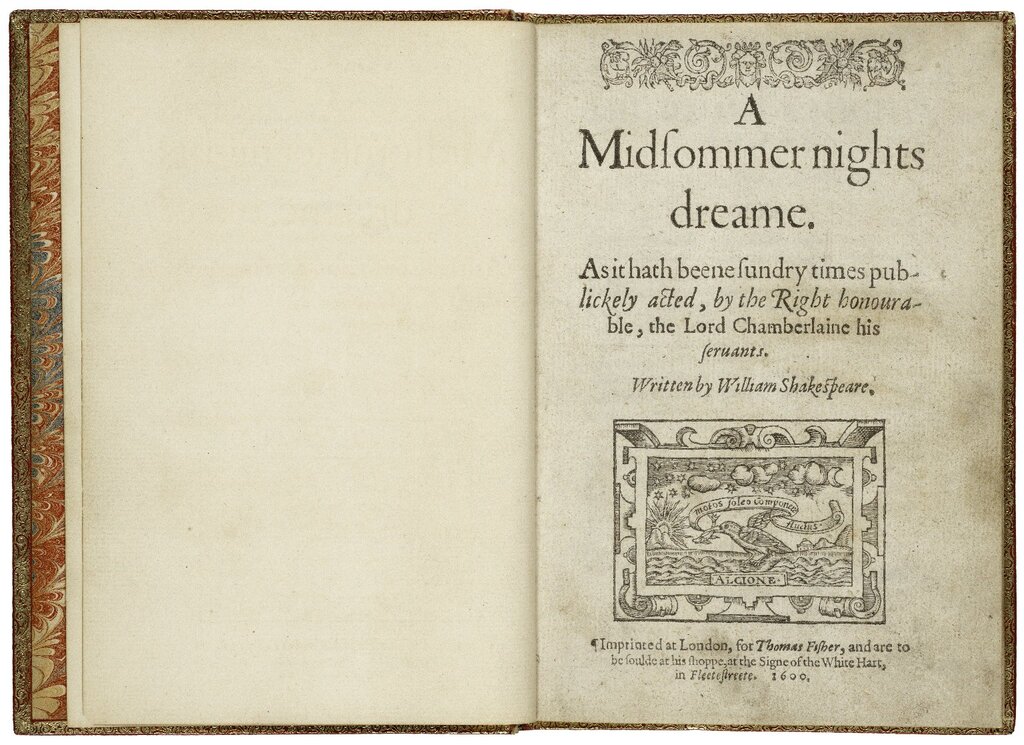
The first printed versions of Shakespeare's plays were small, individual booklets called quartos. These were often published without the playwright's involvement and sometimes contained errors or variations from the performed versions. They were the affordable, everyday way people read plays.
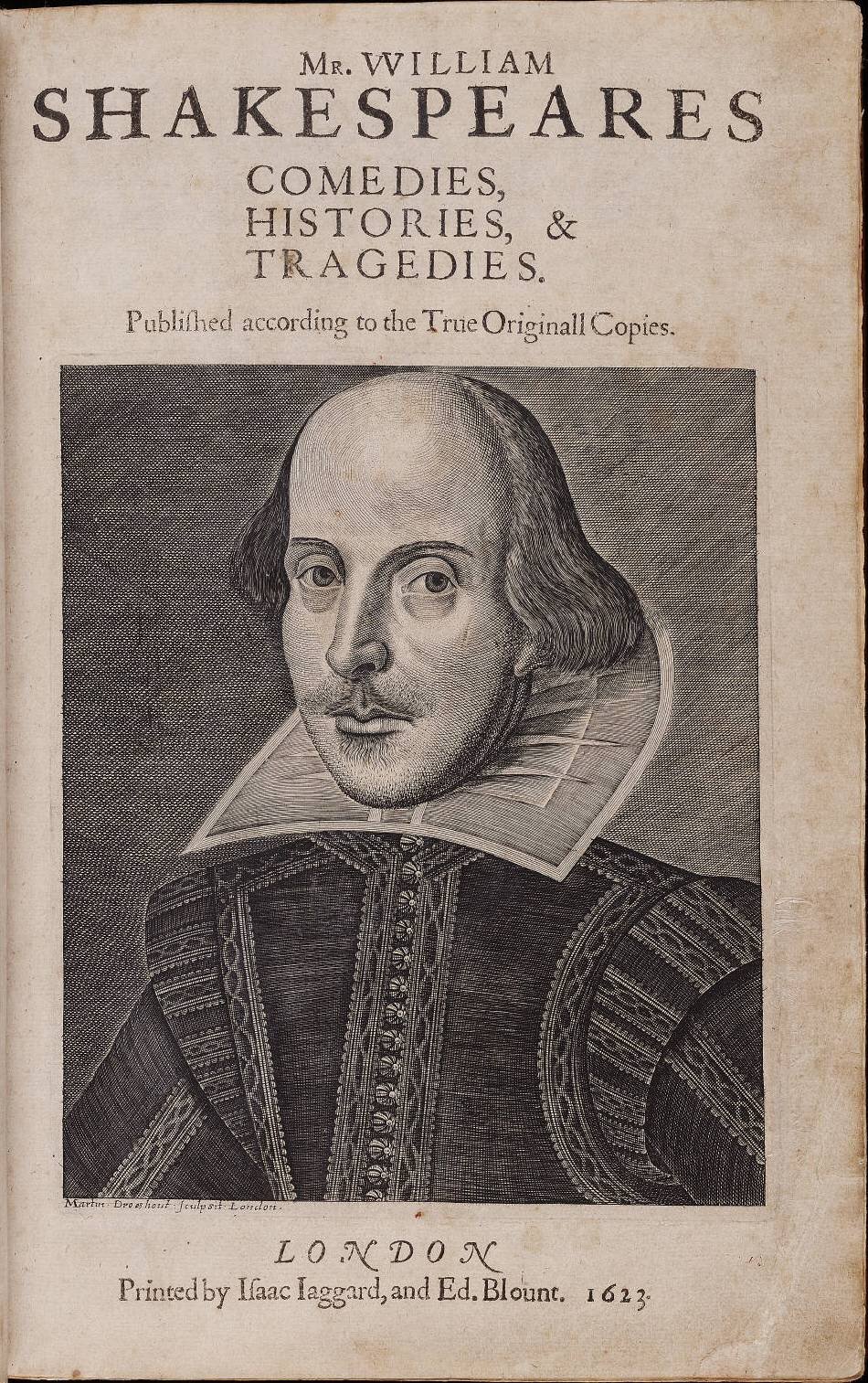
The most important early printed edition of his work is the First Folio, published in 1623, seven years after his death. It was a large, expensive volume that collected 36 of his plays, 18 of which had never been printed before. Without it, plays like Macbeth, Twelfth Night, and The Tempest might have been lost forever. The preface and introductory poems in the First Folio contain some of the earliest direct commentary on Shakespeare's legacy. His friends and fellow actors John Heminges and Henry Condell, who compiled the volume, wrote that their goal was to present the plays "cured, and perfect of their limbes," as opposed to the "stolne and surreptitious copies" that had been published before.
A Rival's Praise
One of the most insightful early critics of Shakespeare was his friend and rival, the playwright Ben Jonson. Jonson was a classically educated and often grumpy writer who had a very different style. He valued craft, rules, and learning, while Shakespeare was known for his natural, free-flowing genius.
Jonson's opinion of Shakespeare was complex. He once complained that Shakespeare wrote too fast and never blotted out a line. Yet, his admiration was undeniable. For the First Folio, Jonson wrote a dedicatory poem, "To the Memory of My Beloved, the Author, Mr. William Shakespeare," which cemented Shakespeare's reputation for generations to come.
He was not of an age, but for all time!
In the poem, Jonson also famously noted Shakespeare had "small Latin and less Greek," pointing out his lack of a university education. But he immediately followed this by praising Shakespeare's natural talent as superior to that of the great classical playwrights. Jonson's tribute is powerful because it comes from a respected rival who understood playwriting from the inside. He saw Shakespeare not just as a popular entertainer, but as a literary giant.
The Century After
In the decades after the First Folio was published, Shakespeare's reputation continued to grow, but his works were often seen through the lens of changing tastes. During the Restoration period (after 1660), it became common to adapt his plays. Writers would "improve" them by adding scenes, simplifying the language, or changing the endings to fit the neoclassical ideals of order and decorum.
Prominent writers of the later 17th century, like John Dryden, praised Shakespeare's unmatched creative spirit and lifelike characters. Dryden called him the "Homer, or father of our dramatic poets." However, he also criticized Shakespeare for breaking the classical rules of drama, which were highly valued at the time. This perspective—admiring his genius while finding his methods a bit messy—was typical of the era. They saw a brilliant but untamed talent that needed refining.
Let's review some of the key terms from this section.
Ready to test your knowledge?
What was the significance of the First Folio, published in 1623?
Which contemporary of Shakespeare famously called him an "upstart Crow" in a jealous jab?
These early responses show that even from the beginning, Shakespeare was recognized as a major figure, though the reasons for his greatness would be debated for centuries.