Shade Gardening in East Hampton
Understanding Shade Gardens
Embracing the Shade
Many gardeners see a shady spot as a problem. But a shade garden is an opportunity to create a unique, tranquil space. It's a garden built beneath the canopy of trees or in the shadow of a building, where direct sunlight is a rare visitor. Instead of fighting for sun, these gardens celebrate the cool, quiet beauty of low-light environments.
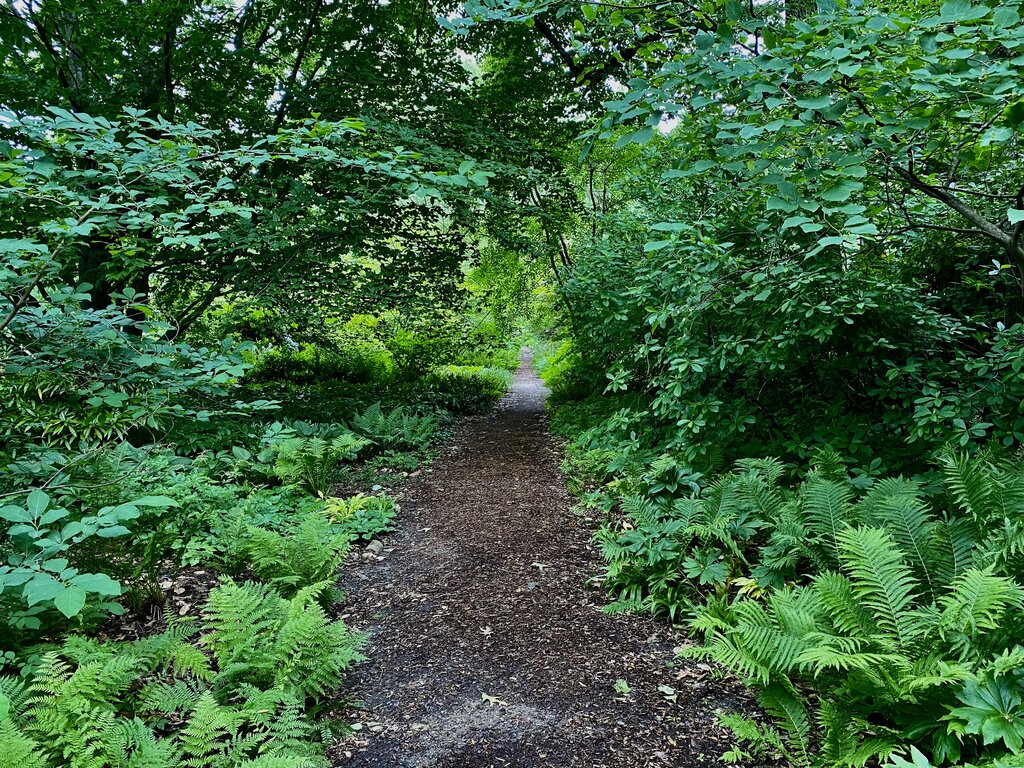
The benefits are clear. On a hot summer day, a shade garden is a natural air conditioner, offering a cool place to relax. The muted light creates a peaceful atmosphere you can't find in a sunny yard. These spaces also support a different kind of ecosystem. They provide shelter for birds and attract beneficial insects that thrive out of the direct sun, boosting local biodiversity. You also get to work with a whole new palette of plants, focusing on lush foliage, subtle flowers, and fascinating textures.
Common Shade Challenges
Of course, gardening in the shade has its hurdles. The most obvious is the lack of light. But not all shade is the same. Understanding the type of shade you have is the first step to success.
| Type of Shade | Description |
|---|---|
| Full Shade | Receives no direct sunlight. Common on the north side of buildings. |
| Dappled Shade | Sunlight filters through the leaves of overhead trees, creating moving patterns. |
| Partial Shade | Gets a few hours (2-4) of direct sun, usually in the morning or late afternoon. |
| Dry Shade | Occurs under large, mature trees whose roots absorb most of the available moisture. |
The other major challenge is competition, especially under large trees. A mature maple or oak has a vast network of roots just below the surface. These roots are experts at soaking up water and nutrients from the soil, leaving little for any new plants you try to introduce. This creates a condition known as "dry shade," which can be tough for even the most shade-tolerant species.
Strategies for Success
You don't need to fight these challenges. You just need to work with them.
For limited sunlight, simple changes can make a big difference. If possible, you can selectively prune lower branches of large trees to let in more dappled light. This is often called "limbing up." You can also use light-colored materials for paths or fences to bounce available light around the space.
The key is to observe your space. Note how the light moves throughout the day and across seasons. This will tell you where you have pockets of opportunity.
To combat moisture competition from tree roots, soil improvement is essential. Amending the soil with several inches of compost or other organic matter will act like a sponge, helping it hold onto moisture longer. When you do water, do it deeply and less frequently. This encourages new plants to send their roots down deep, past the thirsty surface roots of the trees.
For particularly difficult spots with dense, shallow tree roots, consider using raised beds or containers. This gives your plants a dedicated space with rich soil, free from the intense competition underground.
According to the text, what is a primary benefit of creating a shade garden?
What is the condition known as "dry shade" primarily caused by?
By understanding these core concepts, you can turn a challenging shady area into a beautiful and thriving part of your landscape.