Sexual Wellness and the Art of Masturbation
Physiology of Pleasure
The Body's Blueprint for Pleasure
Sexual arousal isn't just a single event; it's a predictable, four-stage process. This framework, known as the sexual response cycle, was first mapped out by researchers Masters and Johnson in the 1960s. It describes the physiological journey the body takes from the first spark of excitement to the final calm of resolution. While everyone's experience is unique, the underlying biological mechanisms are remarkably consistent.
The cycle consists of four phases: excitement, plateau, orgasm, and resolution.
Two key physiological processes drive this cycle: vasocongestion and myotonia. Think of them as the engine and the chassis of arousal.
Vasocongestion
noun
The swelling of bodily tissues caused by increased vascular blood flow and a localized increase in blood pressure.
Myotonia
noun
Increased muscle tension throughout the body.
Building Momentum
The journey begins with the excitement phase. This can be triggered by a thought, a sight, or physical touch. The brain sends signals through the nervous system, initiating vasocongestion in the genitals. Arteries supplying blood to the penis and clitoris dilate, while the veins that drain blood constrict slightly. This traps blood, causing these structures to swell and become erect.
Simultaneously, myotonia begins. Muscles throughout the body, not just in the pelvic region, start to tense up. Heart rate, breathing, and blood pressure all increase.
As stimulation continues, the body enters the plateau phase. This isn't a leveling-off so much as a final build-up before the peak. All the changes from the excitement phase intensify. The clitoris may retract slightly under its hood, and the testes draw closer to the body. Myotonia becomes more pronounced, leading to involuntary muscle spasms in the hands, feet, or face.
The Peak and The Afterglow
The orgasm is the climax of the cycle, a brief but intense release of neuromuscular tension. It's characterized by a series of rhythmic, involuntary contractions of the pelvic floor muscles. These contractions occur at intervals of about 0.8 seconds and are responsible for the pleasurable sensations of orgasm, and for ejaculation in males.
At this peak, the brain is flooded with a cocktail of powerful neurochemicals. Dopamine, the primary neurotransmitter of the brain's reward system, surges, creating intense feelings of pleasure. The body also releases endorphins, which are natural opiates that produce feelings of euphoria and reduce pain perception. Finally, oxytocin, often called the “cuddle hormone,” is released, promoting feelings of relaxation and contentment.
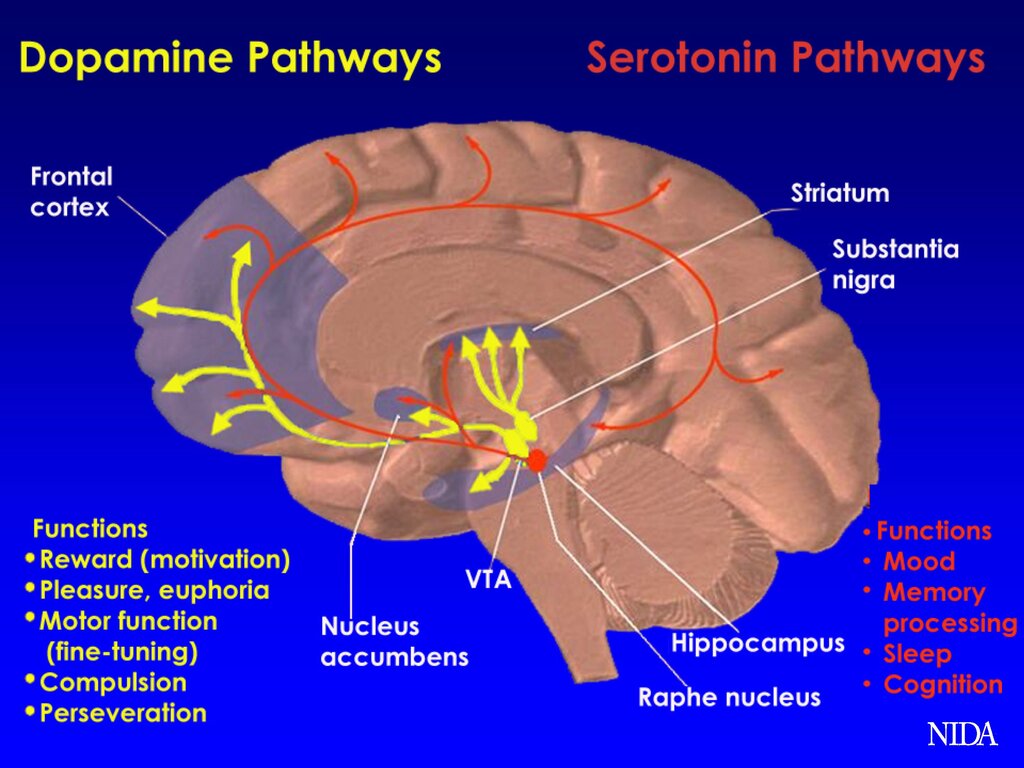
Following orgasm, the body enters the resolution phase. The systems return to their unaroused state. Blood is released from the genitals, causing erections to subside and tissues to return to their normal size. Heart rate and breathing slow down. Myotonia dissipates, and muscles relax.
For many, especially males, this is followed by a refractory period—a span of time during which another orgasm is not possible. The length of this period is highly variable, ranging from minutes to hours, and is influenced by age, hormones, and individual physiology. It tends to be shorter or non-existent for many females, who may be capable of multiple orgasms.
What are the two key physiological processes that drive the sexual response cycle?
During which phase of the sexual response cycle do the changes from the initial phase intensify, serving as a build-up to climax?
Understanding this cycle demystifies the physical experience of pleasure, showing it as a coordinated biological process. It's a universal blueprint, but one that every individual experiences in their own unique way.