Sewing Fundamentals
Sewing Tools and Materials
Your Sewing Toolkit
Every craft starts with the right tools, and sewing is no exception. Having the correct equipment not only makes the process easier but also dramatically improves the quality of your finished project. Let's walk through the essential items you'll want in your sewing kit.
Invest in high-quality scissors, needles, and measuring tools.
Cutting and Measuring
Before you can sew a single stitch, you need to prepare your fabric. This means measuring and cutting with precision.
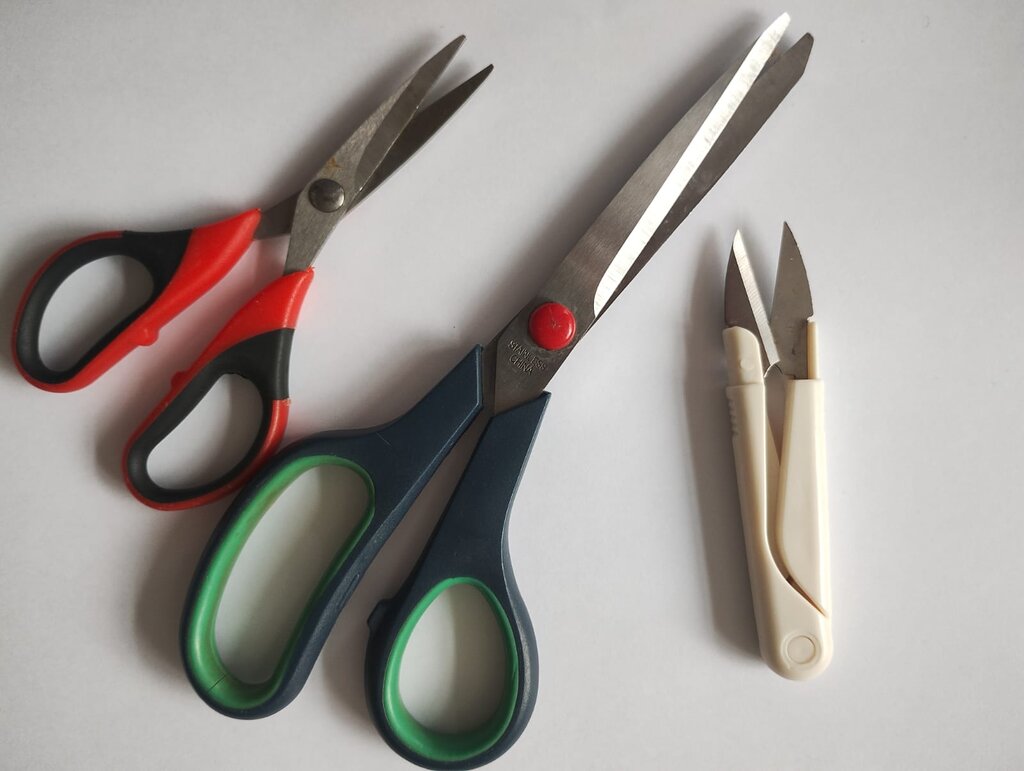
First, you'll need a good pair of fabric scissors or shears. The most important rule? Keep them for fabric only. Cutting paper or other materials will dull the blades quickly, leading to snagged threads and messy cuts. Many sewers keep a smaller pair of snips handy just for trimming threads.
A flexible measuring tape is another must-have. Unlike a rigid ruler, it can easily measure curves and corners, which is essential for taking body measurements or measuring curved pattern pieces.
Needles and Thread
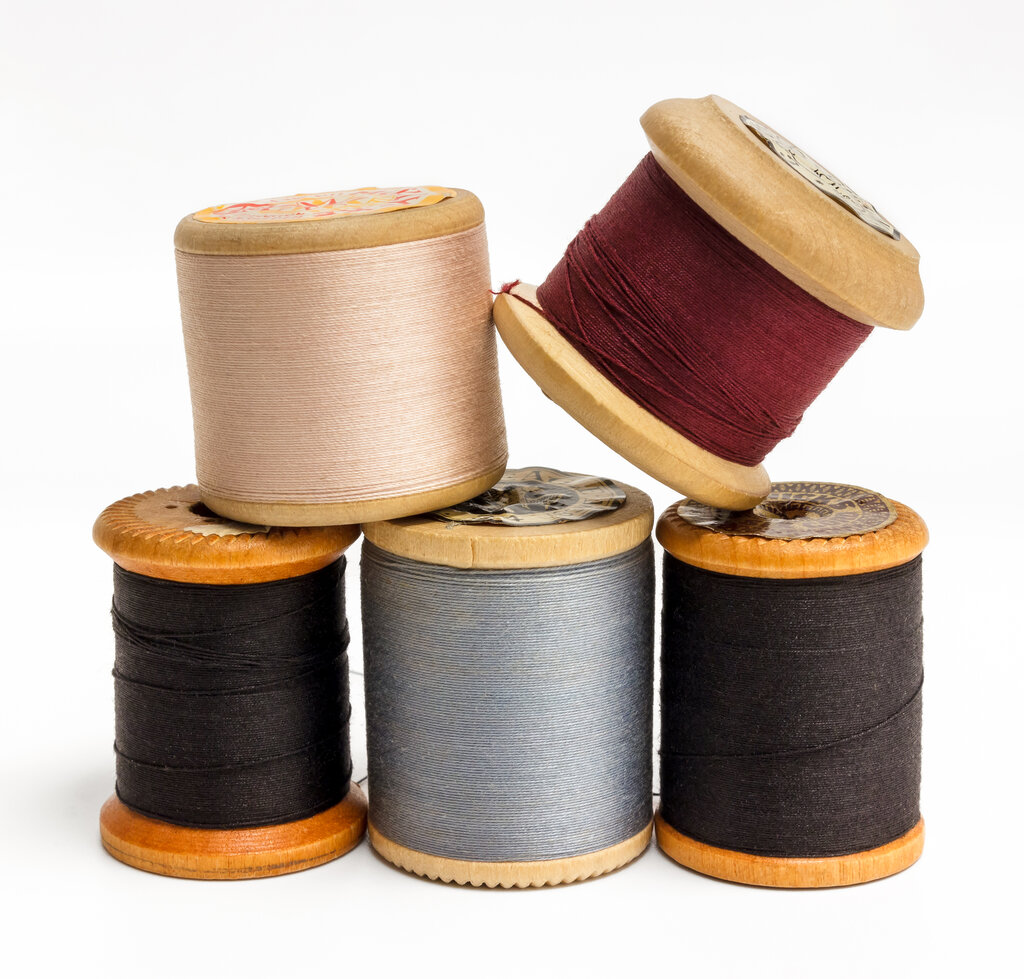
These are the heart of your sewing kit. Hand-sewing needles come in various sizes and types. A larger number indicates a finer, thinner needle, which is ideal for delicate fabrics like silk. A smaller number means a thicker, sturdier needle, perfect for heavy materials like denim or canvas.
Thread also comes in different materials and weights. The most common types are cotton, polyester, and cotton-polyester blends. All-purpose polyester thread is a great choice for beginners because it's strong and works well with a wide range of fabrics.
When hand-sewing, especially with thicker fabrics, a thimble can be a lifesaver. It protects your fingertip as you push the needle through the material.
Thimble
noun
A small protective shield worn on the finger or thumb.
Choosing Your Materials
The fabric you choose is the foundation of your project. Fabrics are generally categorized by their fiber content (like cotton, wool, or polyester) and their construction (woven or knit).
The key to a successful project is matching your fabric with the right needle and thread. A mismatch can cause skipped stitches, puckered seams, or even broken needles. For example, stretchy knit fabrics require a special ballpoint needle that slides between the fibers instead of piercing them. Heavy fabrics like denim need a strong, thick needle and durable thread.
A simple rule of thumb: use fine needles and threads for lightweight fabrics, and sturdy needles and threads for heavyweight fabrics.
| Fabric Type | Common Needle Type | Common Thread Type |
|---|---|---|
| Lightweight Cotton (Voile) | Universal or Sharp (Size 70/10) | Cotton or All-Purpose Polyester |
| Medium-weight Wovens (Linen, Quilting Cotton) | Universal or Sharp (Size 80/12) | All-Purpose Polyester |
| Knits (Jersey, Spandex) | Ballpoint or Stretch (Size 75/11) | Polyester |
| Heavyweight (Denim, Canvas) | Jeans or Heavy-Duty (Size 100/16) | Heavy-Duty or Jeans Thread |
The Sewing Machine
While hand sewing is a valuable skill, a sewing machine allows you to create strong, even seams much more quickly. For beginners, even a basic machine with a straight stitch and a zigzag stitch is more than enough to get started.
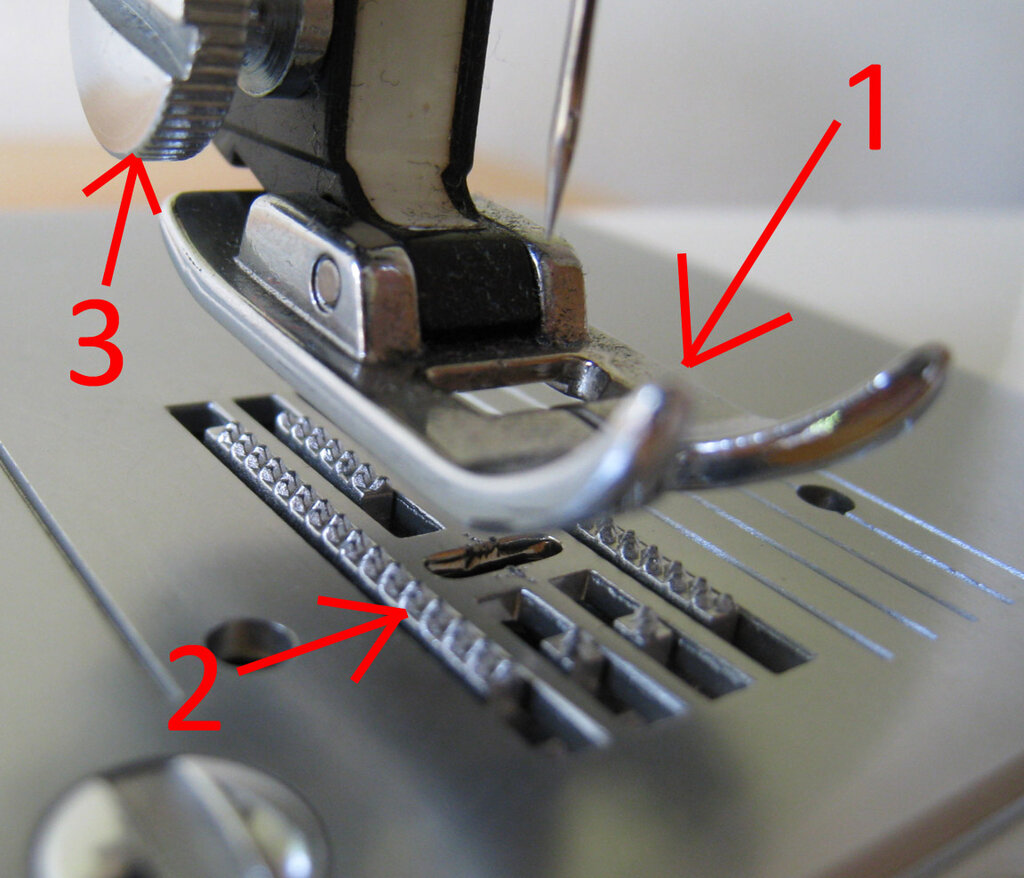
Understanding a few key parts will help you feel more comfortable. The needle carries the upper thread through the fabric. The presser foot holds the fabric down flat as you sew. The feed dogs are little metal teeth under the presser foot that grip the fabric and pull it through the machine. Together, these parts work to create a perfect stitch.
Time for a quick review of the key tools and their uses.
Now, let's see what you've learned about choosing the right materials.
What is the most important rule to remember when using fabric scissors?
When choosing a hand-sewing needle, a larger number (e.g., a size 10) indicates what?
With these tools and a little practice, you'll be ready to tackle your first project.