Sewing Basics For Beginners
Sewing Tools and Materials
Gathering Your Gear
Getting started in sewing is less about fancy gadgets and more about a few reliable tools. Like any craft, having the right equipment makes the process smoother and far more enjoyable. Think of it as setting up a kitchen before you cook; a sharp knife and a good cutting board are essential. Let's walk through the basics you'll want in your sewing kit.
Measure, Mark, and Cut
Before you can sew a single stitch, you need to prepare your fabric. This always starts with three steps: measuring, marking, and cutting.
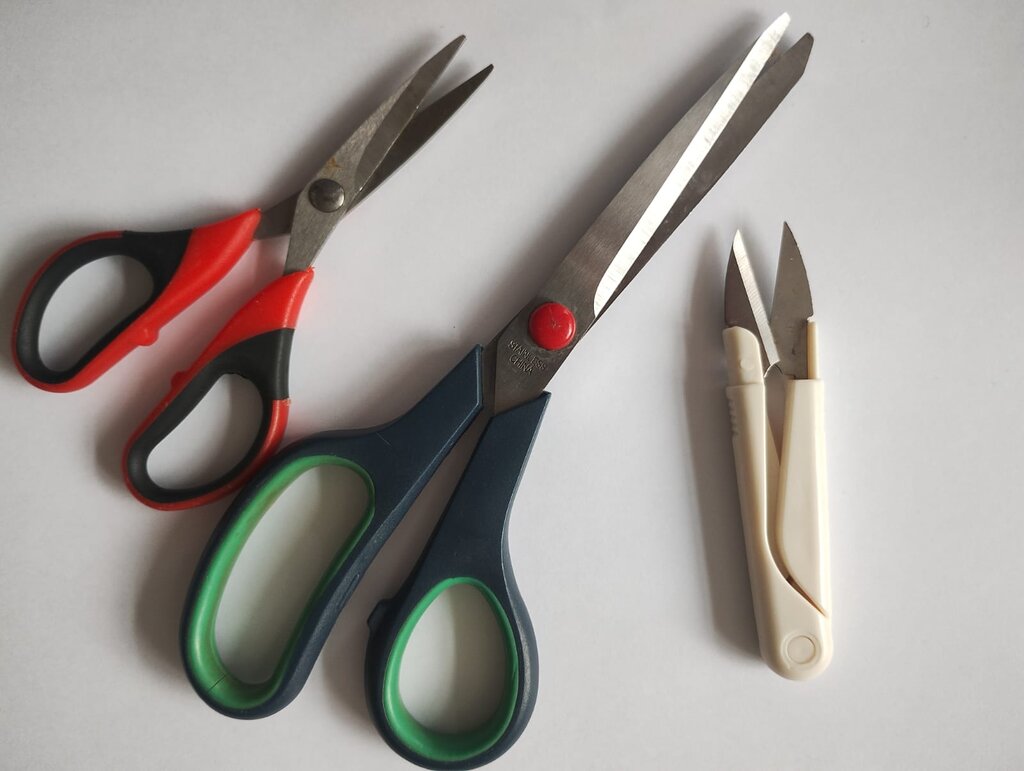
For cutting, a sharp pair of fabric scissors is non-negotiable. It's wise to have one pair dedicated only to fabric. Using them on paper or other materials will dull the blades quickly, leading to snagged threads and ragged edges. Many sewists also use a rotary cutter, which looks like a pizza cutter and is great for making long, straight cuts when used with a special self-healing mat and a clear ruler.
Accurate measuring is key to making pieces that fit together properly. A flexible measuring tape is essential for taking body measurements and measuring curves. For straight lines, a clear acrylic ruler is invaluable, especially if you're using a rotary cutter.
Once you've measured, you need to transfer those marks to your fabric. Tailor's chalk or a disappearing ink fabric marker are perfect for this. They allow you to draw cutting lines or mark points directly on the material, and the marks can be brushed or washed away later.
Pro tip: Always test your marking tool on a scrap piece of your fabric first to make sure the marks come out completely.
Needles, Thread, and Pins
The needle and thread are the heart of sewing. They might seem simple, but choosing the right ones can prevent a lot of headaches.
Sewing machine needles come in different sizes and types for various fabrics. The size is a number (like 80/12 or 90/14), where a smaller number means a finer needle for lighter fabrics. The type refers to the needle's point. A universal needle works for most woven fabrics, a ballpoint needle is for knits (it pushes fibers aside instead of cutting them), and a sharps needle is for fine, delicate fabrics.
Choosing the right fabric, needle size, and thread count from the start prevents common frustrations like puckering and uneven stitches that trip up most beginners.
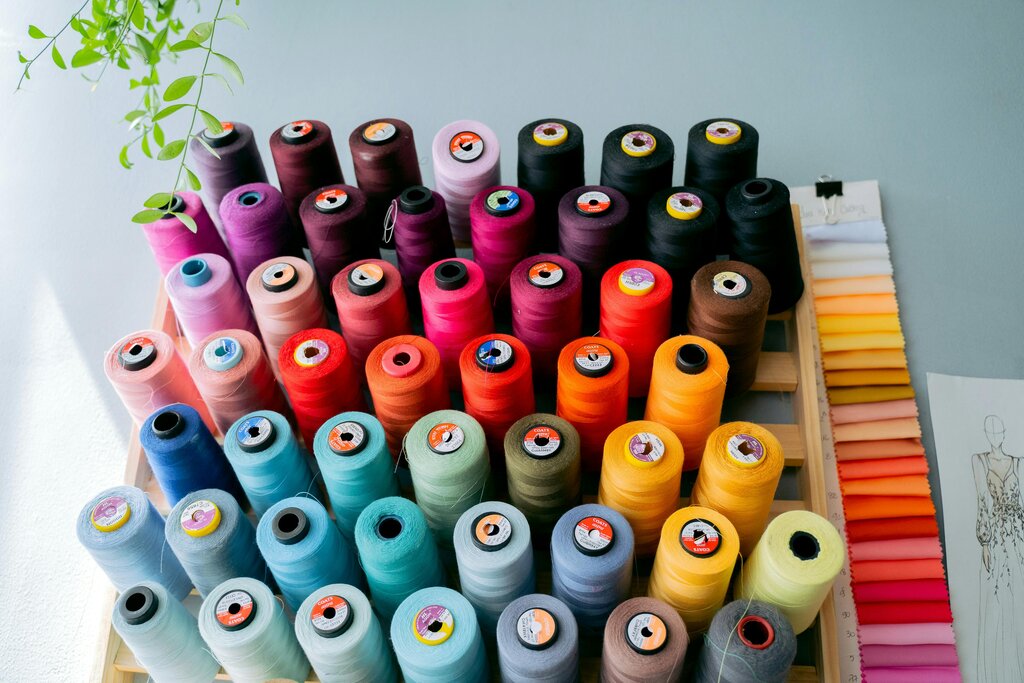
Thread also comes in different materials. A good all-purpose polyester thread is a great starting point and works for a wide range of projects. The general rule is to match your thread to your fabric. For cotton fabric, use cotton thread. For synthetic fabrics, use polyester. Try to choose a thread color that is slightly darker than your fabric, as it will blend in better once stitched.
Finally, you'll need pins to hold your fabric pieces together before and during sewing. Simple glass-head or plastic-head straight pins are perfect. They keep everything aligned so you can sew an accurate seam.
Choosing Your First Fabrics
The fabric you choose can make or break your first sewing experience. Beginners should start with stable, medium-weight woven fabrics. These materials are easy to cut and sew because they don't stretch or slip around.
Excellent choices include quilting cotton, broadcloth, and cotton-poly blends. They are predictable, press well with an iron, and are generally inexpensive. Avoid slippery or very lightweight fabrics like silk, satin, or rayon, as well as stretchy knits, until you have a bit more practice under your belt.
Always pre-wash and dry your fabric before you cut it. This prevents your final project from shrinking or warping in the wash.
With these basic tools and materials, you have a solid foundation for tackling your first sewing projects. Start simple, focus on the fundamentals, and you'll be creating with confidence in no time.
Ready to check your understanding of these essential tools?
Why is it recommended to use a pair of scissors exclusively for cutting fabric?
You're about to sew a project using a dark blue cotton fabric. Which color of all-purpose thread would be the best choice to blend in seamlessly?