Sewer Line Clearing Methods
Sewer System Basics
The Journey of Wastewater
Every time you flush a toilet, run the dishwasher, or take a shower, you create wastewater. But where does it all go? It enters a hidden network of pipes inside your home, all designed to carry it away safely and efficiently.
All the drains in your house, from the kitchen sink to the laundry room, connect to branch drain lines. These smaller pipes feed into a single, larger pipe called the main drain stack. This stack runs vertically through your home and is the central artery of your residential sewer system.
This entire network is called the Drain-Waste-Vent (DWV) system. As the name suggests, it has three critical jobs: draining water, removing waste, and venting gases. It relies on a few key components working together.
Traps and Vents
If all the drains were just open pipes, smelly and potentially dangerous sewer gases could travel back up from the sewer and into your home. To prevent this, every fixture has a trap.
The most common type is the P-trap, a U-shaped bend in the pipe directly under a sink or drain. This bend is designed to hold a small amount of water at all times. This water acts as a seal, blocking gases from passing through.
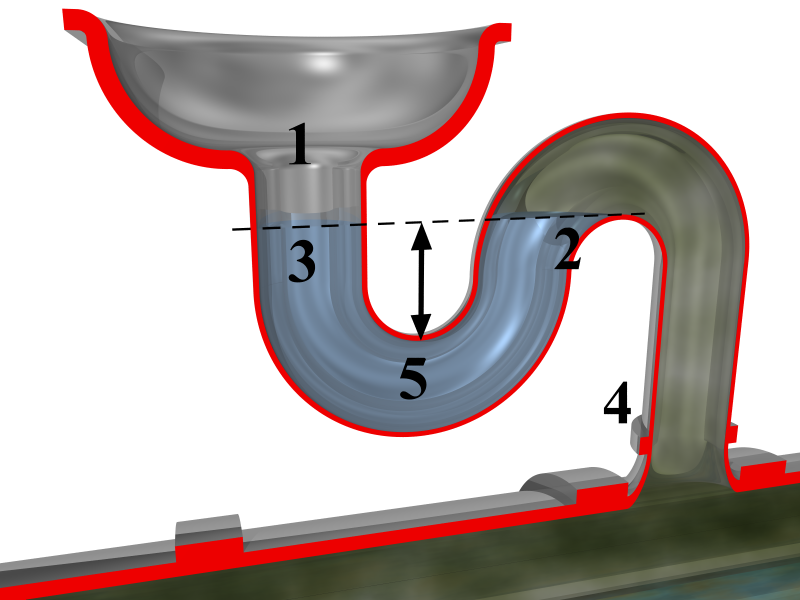
But for traps and drains to work properly, you also need vents. A vent is a pipe that extends from the drain system up through the roof, exposing it to the outside air.
Vents serve two purposes. First, they allow smelly sewer gases to escape harmlessly outside. Second, they let air into the drain system. When a large volume of water flows down the drain, it can create a vacuum behind it, strong enough to siphon the water right out of the P-traps. The vent breaks this vacuum, allowing water to flow smoothly and keeping the traps full.
Without vents, your drains would gurgle, and the water seals in your P-traps would be sucked away, letting unpleasant odors into your home.
From Your House to the Street
The main drain stack in your house connects to a single pipe called the sewer lateral. This is the pipe that runs underground from your house to the edge of your property, where it connects to the municipal sewer main, usually located under the street.
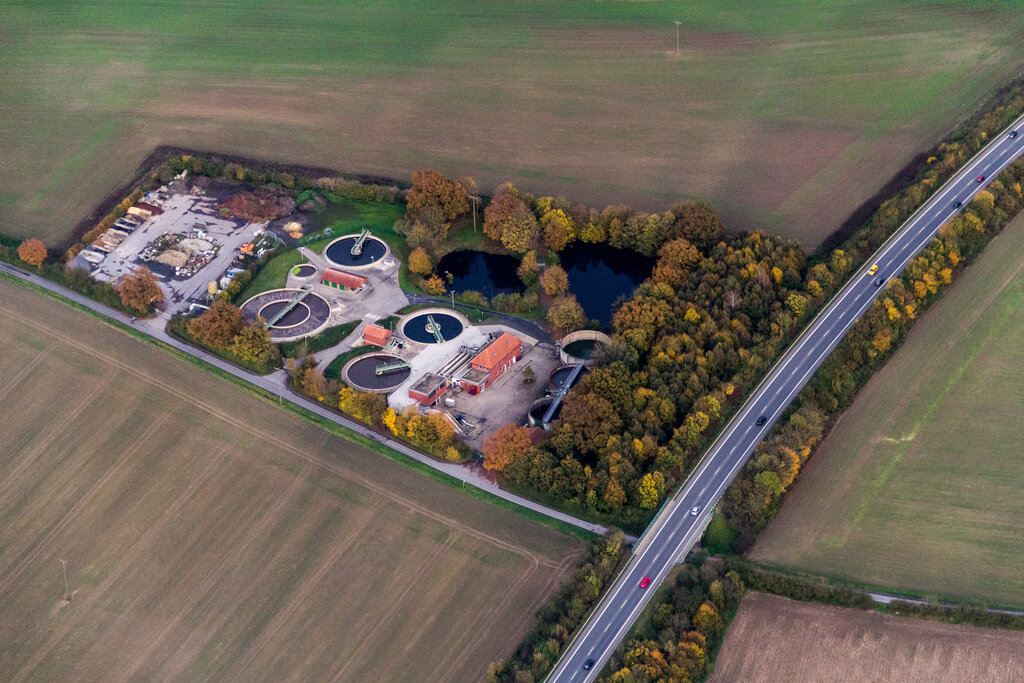
All of the wastewater from your home flows through the lateral and into the city's larger system. From there, it travels with waste from the rest of the community through a vast network of underground pipes to a wastewater treatment facility. At the facility, the water is treated and cleaned before being returned to the environment.
Now, let's test what you've learned about how this system works.
What is the primary purpose of a P-trap in a residential plumbing system?
The single underground pipe that connects your home's entire drainage system to the municipal sewer main under the street is called the ______.
Understanding these basic components—pipes, traps, and vents—and how they work together is the first step in knowing how to maintain your home's plumbing.