Session Hijacking Explained
Introduction to Session Hijacking
What is Session Hijacking?
When you log into a website, the server needs a way to remember you as you navigate from page to page. It doesn't ask for your password on every click. Instead, it gives your browser a temporary pass, like a digital ticket or a coat check number. This is called a session.
This pass, often called a session token or session ID, is a unique string of characters that identifies you for a short period. As long as your browser presents this token, the website trusts that it's you. Session hijacking, also known as session side-jacking, is when an attacker steals that token and uses it to impersonate you.
If an attacker gets your session token, they can access your account without needing your username or password.
How Hijacking Happens
Attackers have several ways to steal a session token. One of the most common happens on unsecured public Wi-Fi networks. If a website isn't properly secured with encryption (HTTPS), an attacker on the same network can 'sniff' the traffic and pick out session tokens as they travel through the air.
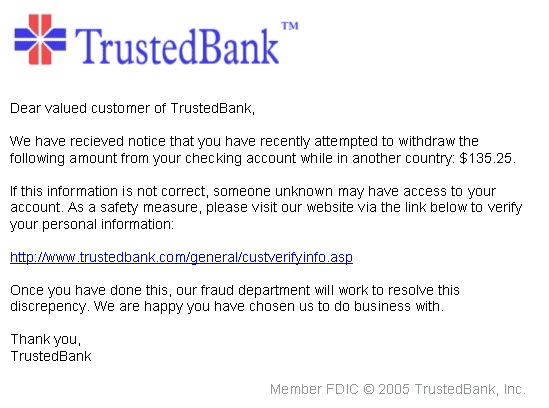
Another method involves tricking the user. An attacker might send a phishing email with a malicious link. Clicking the link could install malware on the user's computer that monitors their browsing and steals tokens. Alternatively, the link could lead to a page with a Cross-Site Scripting (XSS) vulnerability, which can execute code in the victim's browser to capture the session cookie.
Sometimes the vulnerability is on the server itself. If session tokens are predictable or not generated randomly enough, an attacker might be able to guess a valid one. While less common with modern web frameworks, it's still a potential risk.
The Damage Done
Once an attacker has control of your session, they can do anything you can do on that website. They can access your private messages, view your order history, or change your account settings. On a banking site, they could transfer money. On a social media account, they could post malicious content or scam your friends.
The impact isn't just limited to personal data. For businesses, a hijacked session, especially for an administrator, can lead to a major data breach, defacement of the company website, or theft of corporate secrets. The attacker effectively steps into the shoes of a legitimate user, making their activity difficult to distinguish from normal behavior until it's too late.
Let's check your understanding of these core concepts.
What is the primary goal of a session hijacking attack?
When you are using an unsecured public Wi-Fi network, which of the following is the most direct risk related to session hijacking?
Understanding what session hijacking is, how it occurs, and its potential impact is the first step in learning how to defend against it. By recognizing the value of a session token, you can better appreciate the security measures designed to protect it.