Services Marketing Essentials
Introduction to Services Marketing
What Makes Services Different?
When you buy a coffee, you get a tangible product: a cup filled with liquid. But when you get a haircut, you're buying a service. You leave with a result, but you can't hold the haircut itself in your hand. This is the core difference between goods and services.
Marketing a service requires a different approach than marketing a physical product because services have four unique characteristics: intangibility, inseparability, variability, and perishability.
Intangibility: You can't see, touch, or taste a service before you buy it. You can't try on a college education or test-drive a legal consultation. This makes it harder for customers to evaluate, so they often look for tangible clues about quality, like a clean office or a professional website.
Inseparability: Services are often produced and consumed at the same time, and the customer is frequently involved in the process. Think about a dental cleaning. The hygienist is performing the service, and you are there receiving it. They can't produce the service without you.
Variability: The quality of a service can change depending on who provides it, when they provide it, and how. Your favorite barista might make the perfect latte every morning, but a new trainee's version might not be as good. This inconsistency is a challenge that service businesses must manage through training and standardization.
Perishability: Services can't be saved, stored, or resold. An airline can't sell a seat on a flight that has already taken off. A hotel can't get back the revenue from an empty room. This means managing supply and demand is critical.
| Characteristic | Goods | Services |
|---|---|---|
| Tangibility | Tangible | Intangible |
| Separability | Production separate from consumption | Simultaneous production and consumption |
| Variability | Standardized | Heterogeneous |
| Perishability | Non-perishable | Perishable |
The 7 Ps of Services Marketing
Because of these unique characteristics, the traditional marketing mix of Product, Price, Place, and Promotion isn't quite enough. For services, we add three more elements: People, Process, and Physical Evidence.
Product
noun
The core service being offered and the range of services provided. For a bank, the core product might be a checking account, but it's bundled with other services like online banking and customer support.
Price
noun
How the service is priced. This can be complex, as it might involve hourly rates, project fees, or subscription models. Pricing also signals quality; a high-priced consultant is perceived as being an expert.
Place
noun
Where and when the service is delivered. This could be a physical location like a hair salon, online like a streaming service, or even at the customer's home, like a plumbing service.
Promotion
noun
How you communicate the service's benefits. Since customers can't see the service, promotion often relies on testimonials, reviews, and building a strong brand reputation to create trust.
Now for the three elements added specifically for services:
People
noun
Everyone involved in the service delivery, from the frontline staff to the customer. The interaction between employees and customers is a huge part of the service experience. A friendly and knowledgeable employee can create a loyal customer.

Process
noun
The systems and steps used to deliver the service. A smooth, efficient process makes for a better customer experience. Think about a fast-food restaurant with a clear ordering system versus a chaotic one.
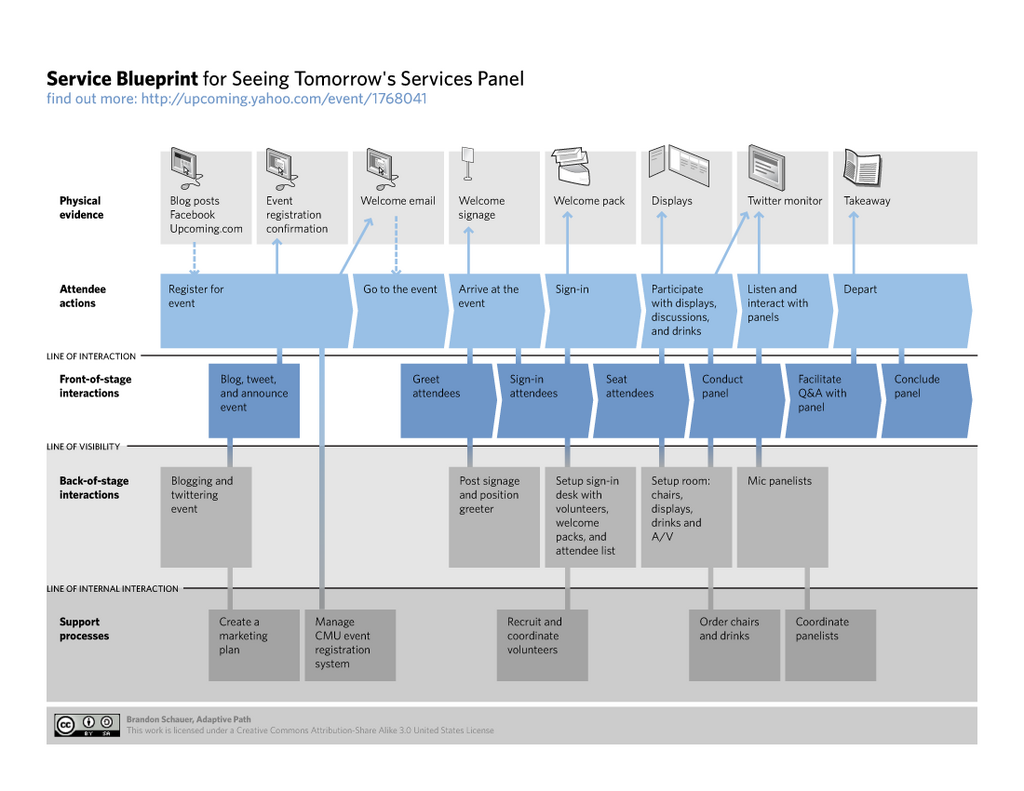
Physical Evidence
noun
The tangible elements surrounding the service that help customers evaluate it. This includes the environment (like a clean hotel lobby), branding materials (brochures, website), and even employee uniforms. These cues help make the intangible service more tangible.
By understanding these unique characteristics and using the expanded 7 Ps framework, businesses can create and market services that successfully meet customer needs.
Which of the following is a core characteristic of services that distinguishes them from goods?
A sold-out concert ticket for last night's show cannot be sold today. This is an example of which unique characteristic of services?