Service Business Systems BC
Understanding Service-Based Business Models
What Makes a Service Business Different?
Unlike a business that sells physical products, a service-based business sells expertise, skills, or time. Think of a graphic designer, a management consultant, or a dog walker. You're not buying a tangible item you can hold; you're paying for an action, a process, or a result.
This creates a few unique characteristics that set service businesses apart. First is intangibility. You can't touch or see a service before you buy it. You can't try on legal advice like you can a pair of shoes. This makes trust and reputation incredibly important.
Next is inseparability. Services are often produced and consumed at the same time. A haircut happens with both the stylist and the client present. The service can't be created in a factory, stored in a warehouse, and then sold later.
Services also have variability. The quality of a service can change depending on who provides it, when, and how. Your experience at a restaurant might be amazing on a Tuesday but just okay on a busy Saturday. This makes consistency a major operational challenge.
Finally, services are perishable. You can't save an unsold airplane seat or an empty hotel room for the next day. Once the moment passes, the opportunity to sell that specific service is gone forever.
How Service Businesses Make Money
Since you can't just put a price tag on a physical item, service businesses use different models to generate revenue. The model chosen usually depends on the nature of the work and the industry.
| Revenue Model | How It Works | Example |
|---|---|---|
| Hourly Rate | Charging for time spent on a task. | A freelance writer charging $75 per hour. |
| Project-Based Fee | A flat fee for a defined scope of work. | A web developer charging $5,000 for a new website. |
| Subscription | A recurring fee for ongoing access to a service. | A gym membership or a software-as-a-service (SaaS) platform. |
| Retainer | A recurring fee to keep a service provider on standby. | A company paying a law firm a monthly retainer for legal support. |
| Commission | A percentage of a transaction's value. | A real estate agent earning a commission on a home sale. |
Developing Subscription Models for Consulting Services Establishes a predictable revenue stream, potentially increasing recurring revenue by 15-25% annually.
Challenges and Opportunities
Running a service business comes with its own set of hurdles. Scaling can be tricky. A consultant can only work so many hours in a day, so growth often means hiring more people, which increases complexity. Maintaining consistent quality across a growing team is another key challenge.
However, the biggest challenge is also the greatest opportunity: the customer relationship. Because services are intangible and co-created, the client's experience is everything. A strong relationship builds trust, leading to repeat business and powerful word-of-mouth referrals. The quality of a service is ultimately judged by the customer, making their satisfaction the primary measure of success.
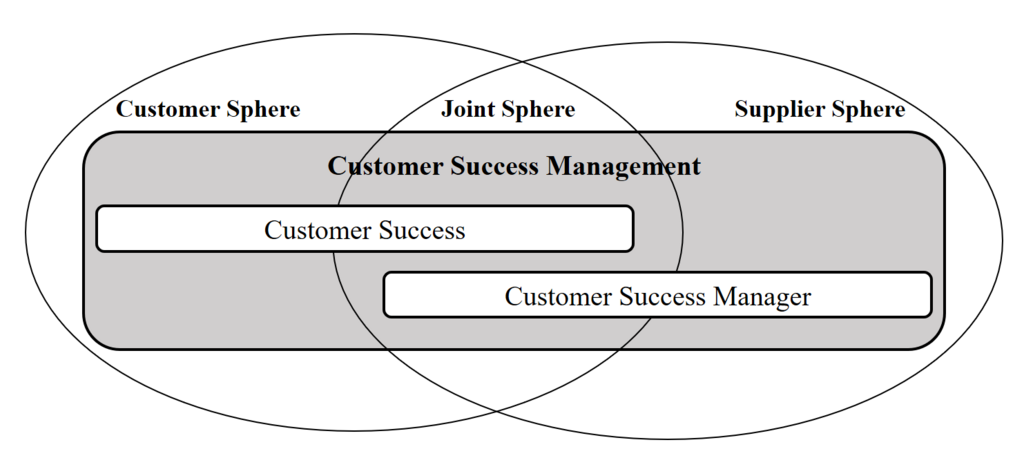
This is especially true in a modern, knowledge-based economy. Intangible assets like brand reputation, intellectual property, and client lists are often a service company's most valuable possessions.
The Service Landscape in British Columbia
British Columbia's economy is heavily driven by its service sector. While resource industries like forestry and mining remain important, it's the services that employ the majority of the population and contribute the most to the province's GDP.

Key service industries in BC include:
- Technology: Vancouver is a major tech hub, with strong sectors in software development, biotech, and digital media.
- Tourism and Hospitality: The province's natural beauty fuels a massive tourism industry, encompassing hotels, restaurants, and tour operators.
- Film and Television: Often called "Hollywood North," the Lower Mainland is one of North America's largest film production centers.
- Professional Services: This includes a wide range of fields like law, accounting, engineering, and consulting that support other businesses.
- Real Estate and Finance: A historically strong sector, particularly in urban centers.
A major trend is the continued shift towards a "knowledge economy," where expertise and information are the primary commodities. This puts BC's service-based businesses in a strong position for future growth, as they are built on the skills and knowledge of their people.
Ready to check your understanding?
What is the fundamental difference between a service-based business and a product-based business?
An airline cannot sell a seat on a flight after the plane has departed. This is a direct example of which characteristic of services?
Understanding these core concepts is the first step in building or analyzing any service-based enterprise. It's a different world from selling products, one built on relationships, reputation, and results.