Series Hybrid Electric Systems Explained
Introduction to Hybrid Electric Vehicles
More Than One Way to Move
A hybrid electric vehicle, or HEV, is a car that uses two sources of power to make the wheels turn: a gasoline engine and an electric motor. This isn't a new idea. Engineers were experimenting with hybrid cars over a century ago. But modern technology has made them practical, efficient, and popular.
The core idea is simple. Instead of relying only on gasoline, a hybrid car can switch to electric power, or use both sources at once, to save fuel. Think of it like a backpacker carrying both energy bars and a camp stove. Sometimes a quick energy bar (the battery) is all you need. For a long, uphill climb, you might use the stove (the engine) for a big meal.
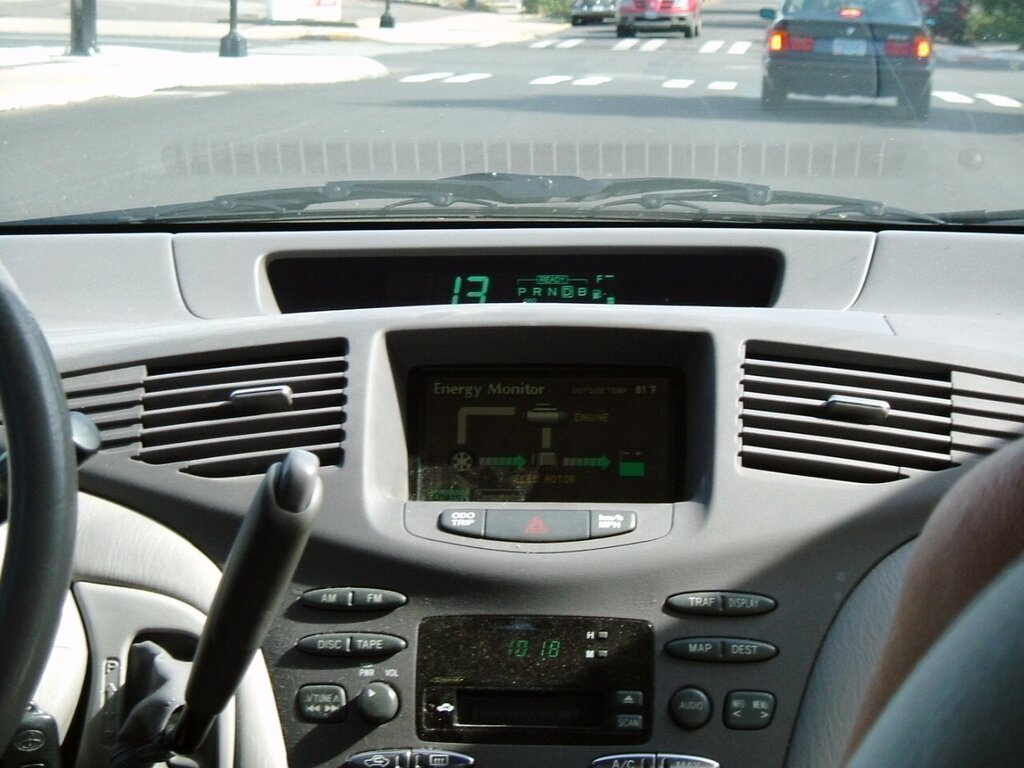
Why bother with two power sources? The main reasons are efficiency and cleaner air. By using an electric motor for tasks like starting from a stop or driving at low speeds, the gasoline engine doesn't have to work as hard. This drastically reduces fuel consumption and, as a result, cuts down on tailpipe emissions. It's a way to get some of the benefits of an electric car without worrying about finding a charging station.
Hybrid vehicles are designed to optimize fuel efficiency by combining an internal combustion engine with an electric motor.
All hybrids, regardless of their specific design, share a few key parts. There's an internal combustion engine (ICE), which is the familiar gasoline-powered engine. Then you have one or more electric motors, which can both drive the car and act as a generator to recharge the battery. The battery pack stores the electrical energy. Finally, a transmission connects these power sources to the wheels.
Three Flavors of Hybrid
Not all hybrids work the same way. Automakers use different strategies, or configurations, to combine gas and electric power. The three main types are series, parallel, and series-parallel.
Series hybrids work like diesel-electric trains. The gasoline engine never directly powers the wheels. Instead, it acts as a generator, producing electricity to run the electric motor or charge the battery. The electric motor does all the work of moving the car.
In a parallel hybrid, both the gasoline engine and the electric motor are connected to the transmission. This means either one can power the car on its own, or they can work together for extra acceleration. It's like a tandem bicycle where two riders can pedal together or take turns.
A series-parallel hybrid is a combination of the other two. It's more complex, but also more versatile. It can operate like a series hybrid, a parallel hybrid, or switch between modes to maximize efficiency depending on the driving conditions.
| Configuration | How Power Reaches the Wheels | Best For |
|---|---|---|
| Series | Only from the electric motor. The gas engine generates electricity. | Stop-and-go city driving. |
| Parallel | From the engine, the motor, or both working together. | Highway driving and acceleration. |
| Series-Parallel | Can switch between series and parallel modes. | All-around efficiency in mixed driving. |
Understanding these different approaches is the first step to seeing how hybrid technology has evolved to fit different driving needs. Each configuration has its own strengths, offering a unique balance of performance and fuel economy.
Let's check your understanding of these core concepts.
What is the primary advantage of a hybrid electric vehicle's dual power system?
In a series hybrid configuration, the gasoline engine's only role is to act as a generator.
Now that you've got the basics down, we can explore how these components and configurations come together in a specific type of hybrid system.