Serbian Language Basics
Serbian Alphabets
Two Alphabets, One Language
The Serbian language has a unique feature: it uses two official alphabets. One is Cyrillic (ћирилица, ćirilica), and the other is Latin (латиница, latinica). Both are used interchangeably in daily life, from street signs to newspapers. This might seem complicated, but it's surprisingly straightforward once you grasp the system.
The Serbian language is special in many ways, including its status as one of the few languages that uses two scripts - Cyrillic and Latin.
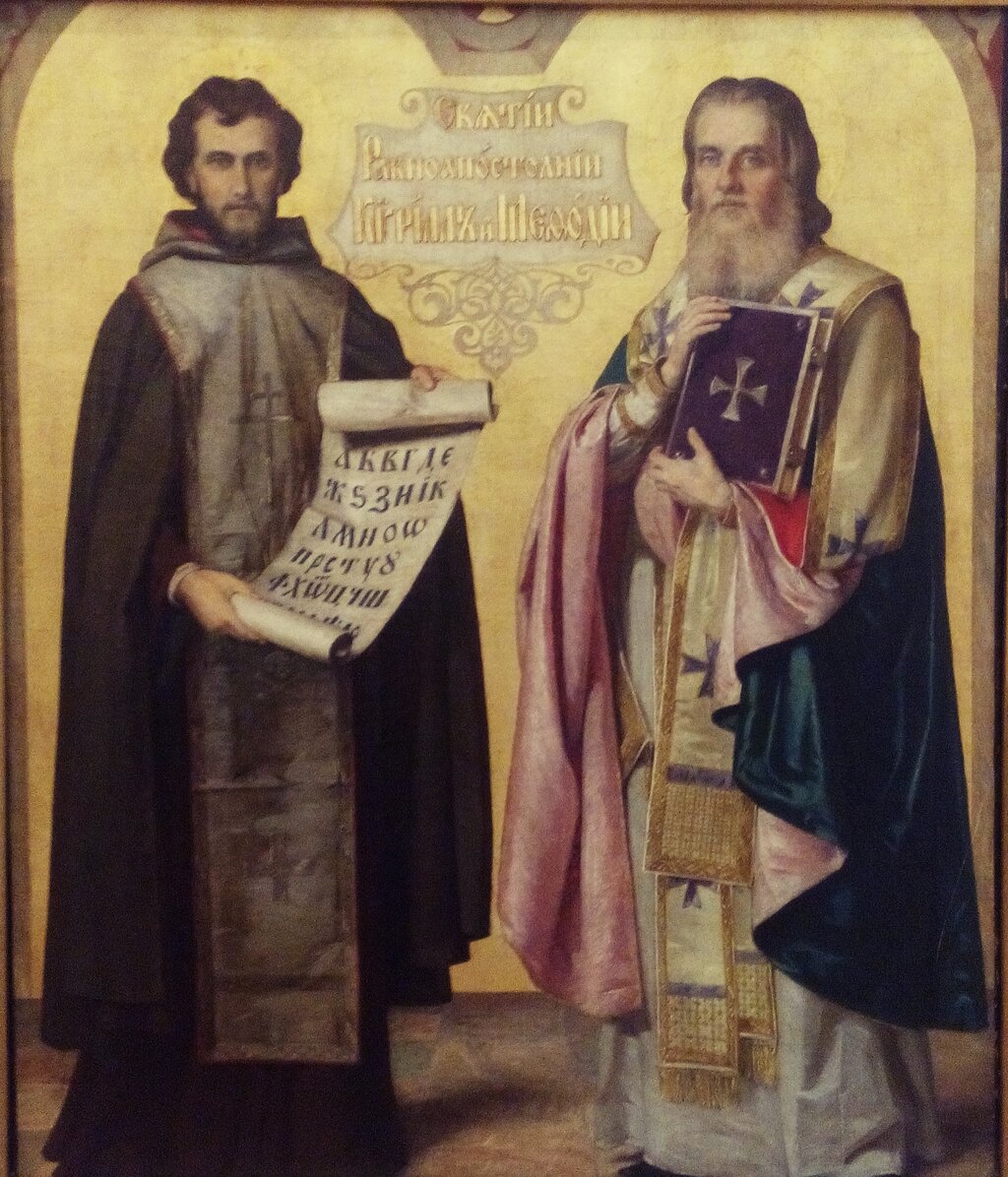
The Cyrillic script has deep historical roots, tracing back to the 9th-century missionary work of Saints Cyril and Methodius. However, the modern Serbian Cyrillic alphabet was standardized in the 19th century by linguist Vuk Karadžić. His goal was to create a perfectly phonetic system.
The Phonetic Principle
Vuk Karadžić's reform was guided by a simple, powerful principle: "Write as you speak, and read as it is written" (Пиши као што говориш, и читај како је написано / Piši kao što govoriš, i čitaj kako je napisano). This means that in Serbian, each letter represents exactly one sound, and each sound is represented by exactly one letter. There are no silent letters or tricky combinations like in English. Once you learn the 30 sounds of Serbian, you can pronounce any word you see, regardless of which alphabet it's written in.
This one-to-one correspondence between letters and sounds makes Serbian pronunciation remarkably consistent.
Meet the Alphabets
Both the Serbian Cyrillic and Latin alphabets have 30 letters that map directly to one another. Many letters will look familiar if you know other European languages, but some are unique to Serbian and other South Slavic languages.
| Cyrillic | Latin | Sound (approximate) |
|---|---|---|
| А а | A a | like in apple |
| Б б | B b | like in ball |
| В в | V v | like in van |
| Г г | G g | like in goat |
| Д д | D d | like in dog |
| Ђ ђ | Đ đ | like in juice |
| Е е | E e | like in egg |
| Ж ж | Ž ž | like 's' in measure |
| З з | Z z | like in zoo |
| И и | I i | like 'ee' in see |
| Ј ј | J j | like 'y' in yes |
| К к | K k | like in kite |
| Л л | L l | like in lamp |
| Љ љ | Lj lj | like 'lli' in million |
| М м | M m | like in man |
| Н н | N n | like in nose |
| Њ њ | Nj nj | like 'ni' in onion |
| О о | O o | like in organ |
| П п | P p | like in pen |
| Р р | R r | a rolled 'r' sound |
| С с | S s | like in sun |
| Т т | T t | like in top |
| Ћ ћ | Ć ć | like 'ch' in chew |
| У у | U u | like 'oo' in moon |
| Ф ф | F f | like in fan |
| Х х | H h | like 'ch' in Loch Ness |
| Ц ц | C c | like 'ts' in cats |
| Ч ч | Č č | like 'ch' in chair |
| Џ џ | Dž dž | like 'j' in jug |
| Ш ш | Š š | like 'sh' in shoe |
Notice the letters in the Latin script that have diacritics (Š, Đ, Č, Ć, Ž). These represent sounds that don't have a single-letter equivalent in the basic Latin alphabet. Also, you'll see three combinations called digraphs: Lj, Nj, and Dž.
In the Serbian Latin alphabet, these digraphs are considered single letters. They each have their own place in the alphabet and represent a single, distinct sound.
This perfect one-to-one mapping means you can easily convert text from one script to the other without any ambiguity. For example, the word for "water" is written вода in Cyrillic and voda in Latin. They are pronounced exactly the same.
In modern Serbia, Cyrillic is the official script used in government and religious documents, giving it a more formal feel. Latin is very common in media, marketing, and on the internet. Most Serbians are completely fluent in reading and writing both.
Ready to test your knowledge of the Serbian alphabets?
Who was the 19th-century linguist that reformed and standardized the modern Serbian Cyrillic alphabet?
What is the guiding principle of Serbian orthography, often attributed to Vuk Karadžić?
Learning both alphabets is the first major step to reading and writing in Serbian. With the phonetic principle as your guide, you're well on your way.