SEO Trends for 2025
Introduction to SEO
What is SEO?
Search Engine Optimization, or SEO, is the process of helping your website show up more often and higher up in search engine results. When people look for information on Google, Bing, or other search engines, they get a list of websites. SEO helps make your site one of the top results, without paying for ads.

Why does this matter? The higher your site ranks, the more likely people are to see it and click on it. This is called organic traffic, and it's valuable because it's targeted. The people arriving at your site are actively looking for the information, products, or services you offer.
Good SEO leads to more visibility. More visibility leads to more visitors. And more visitors can lead to more business.
How Search Engines See the Web
To understand SEO, you first need to know how search engines work. Think of a search engine as a massive digital library and its process as having three main steps:
-
Crawling: Search engines send out automated programs, called crawlers or spiders, to explore the internet. They follow links from one page to another to discover new and updated content.
-
Indexing: After crawling, the search engine analyzes and stores the content it found in a giant database called an index. This index is like the library's catalog, containing information about billions of web pages.
-
Ranking: When you type a search query, the engine scours its index for the most relevant results. It then uses a complex algorithm to rank these pages, aiming to show the most helpful and reliable information first.
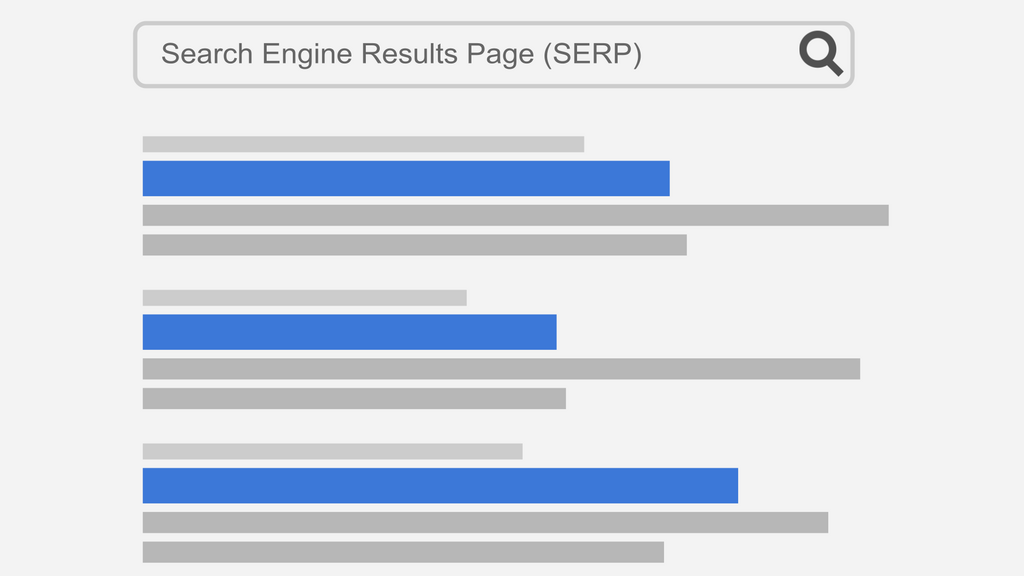
Your goal with SEO is to make it as easy as possible for search engines to crawl, index, and understand that your content is a great answer to a user's query.
The Language of Search
Keywords are the bridge between what people are searching for and the content you provide to fill that need. They are the words and phrases that users type into the search bar.
Keyword
noun
A word or phrase that people type into a search engine to find information.
By including relevant keywords in your website's content, you signal to search engines what your page is about. This helps them match your page to the right search queries. The key is to think like your audience. What terms would they use to find your content? Answering that question is the foundation of effective keyword strategy.
Your SEO Toolkit
SEO strategies are generally split into two main categories: on-page and off-page SEO.
On-page SEO refers to all the actions you take on your own website to improve its ranking. This includes creating high-quality content, optimizing your page titles and headings, and making sure your site is fast and mobile-friendly.
It's about making your website's content and structure clear to both users and search engines.
Off-page SEO involves actions taken outside of your website to build its authority and reputation. The most common off-page strategy is building backlinks, which are links from other websites to yours. When a reputable site links to you, it acts as a vote of confidence, telling search engines that your content is trustworthy and valuable.
Both on-page and off-page SEO are essential for a complete strategy. One builds a great foundation, and the other builds your reputation across the web. Understanding these basics is the first step to improving your site's visibility and attracting more organic traffic.
Let's review what you've learned.
What is the primary goal of Search Engine Optimization (SEO)?
Which of the following describes the correct sequence of how search engines process web pages?