SEO in 2026
SEO Fundamentals
What is SEO?
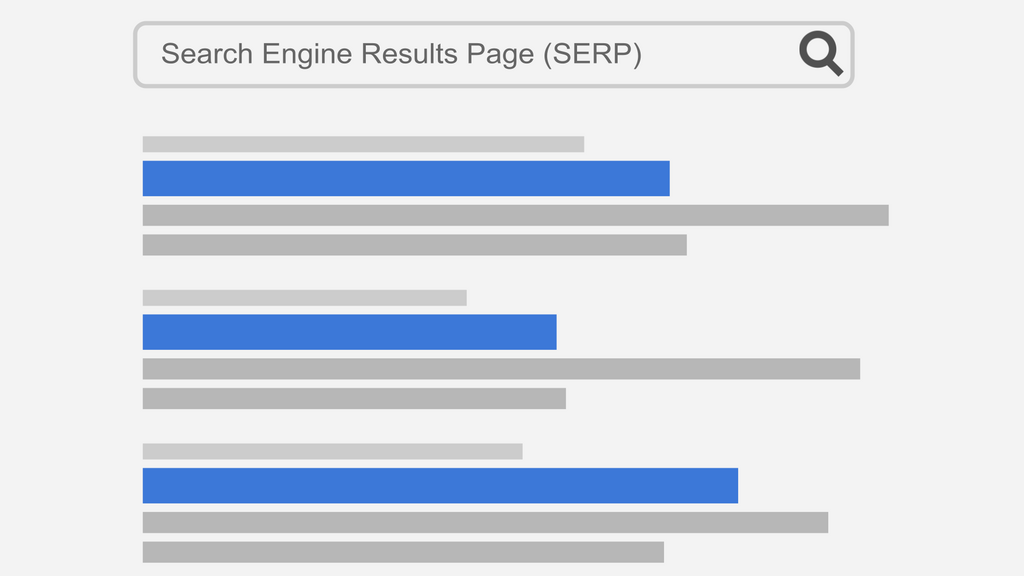
Search Engine Optimization, or SEO, is the process of helping your website show up more often and higher up in search engine results. Think of a search engine like a massive library. When you type a query, the search engine acts as a librarian, quickly sifting through billions of pages to find the most relevant and helpful information for you.
SEO is how you signal to that librarian that your website has exactly what the user is looking for. The higher your site ranks in the results, the more likely people are to see it, click on it, and visit your page. This is called 'organic traffic' because you don't pay for it directly, unlike with ads.
Search Engine Optimization
noun
The practice of increasing the quantity and quality of traffic to your website through organic search engine results.
Why does it matter? Because most people don't scroll past the first page of search results. If your site isn't there, it's practically invisible.
Good SEO makes your website more visible, which leads to more traffic and more opportunities to connect with your audience.
How Search Engines Evolved
In the early days of the internet, search engines were more like simple directories. They relied heavily on website owners submitting their sites and basic information. It was a bit like a phone book for the web.
Then, companies like Google changed the game. They introduced complex algorithms that could 'crawl' the web, reading and analyzing the content of pages to understand what they were about. These algorithms looked at hundreds of factors to decide which pages were the most authoritative and relevant for a given search.
This shift made search results much more useful for users. It also created the need for SEO. Instead of just submitting a site to a directory, creators now had to optimize their pages to appeal to these sophisticated algorithms.
The Two Sides of SEO
SEO strategies are typically broken down into two main categories: on-page and off-page. Think of it like building a house. On-page SEO is everything you do to the house itself, from the foundation to the paint on the walls. Off-page SEO is about building your reputation in the neighborhood so people know your house is worth visiting.
You need both to succeed.
On-Page Optimization
On-page SEO involves optimizing the elements on your website. This includes the text, images, and the underlying code. The goal is to make your content clear to both search engines and users.
One of the first steps is keyword research. Keywords are the words and phrases people type into search engines. By understanding what terms your audience uses, you can create content that directly answers their questions.
For example, instead of just writing about 'baking,' you might find that people are searching for 'easy sourdough bread recipe for beginners.' This more specific phrase is a 'long-tail keyword.' By targeting it, you can attract people who are much more interested in what you have to offer.
Other key on-page techniques include:
- Writing high-quality content: Create informative, well-written articles that are genuinely helpful to your readers.
- Using clear titles and headings: Organize your content with descriptive titles and subheadings (like the ones in this article) to make it easy to read.
- Optimizing images: Using descriptive file names and 'alt text' helps search engines understand what your images are about.
Off-Page Optimization
Off-page SEO refers to actions taken outside of your own website to impact your rankings. It's all about building your site's authority and reputation.
The most important factor in off-page SEO is backlinks. A backlink is a link from another website to yours. Search engines view backlinks as votes of confidence. If a reputable website links to your page, it signals to the search engine that your content is trustworthy and valuable.
Imagine a well-respected food blogger links to your 'sourdough bread recipe.' Google sees this as a strong recommendation, which can boost your ranking for that search term.
SEO is the process of improving your website and online presence so that it shows up higher in search engine results.
Building a good backlink profile takes time and effort. It involves creating content so good that other people naturally want to link to it.
What is the primary goal of Search Engine Optimization (SEO)?
A reputable university's research page links to an article on your website because they found your data helpful. In SEO terms, what is this an example of?
SEO isn't a one-time task but an ongoing process of creating great content and building a solid reputation online. By focusing on these fundamentals, you can build a strong foundation for your website's visibility.