SEO Fundamentals
Introduction to SEO
What Is SEO?
Search Engine Optimization (SEO) is the practice of helping your website show up more often, and higher up, in search engine results. It's not about paying for ads; it's about earning your spot by being the most relevant and helpful result for what someone is looking for.
Search Engine Optimization (SEO) is the process of optimizing your website—its technical setup, content relevance, and authority—to improve rankings in organic (unpaid) search engine results like Google.
Think of the internet as a gigantic library and a search engine like Google or Bing as the librarian. When you ask the librarian a question, they don't just hand you a random stack of books. They quickly sort through everything they have and give you the very best resources to answer your specific question.
SEO is how you make sure the librarian knows your 'book'—your website—is a fantastic resource, is easy to find, and is exactly what the person is asking for. The more the librarian trusts your content, the more likely they are to recommend it to others.
How Search Engines Work
To understand SEO, you first need to know how search engines find, understand, and organize information from the internet. This happens in three main steps: crawling, indexing, and ranking.
Crawling
verb
The process where search engines send out automated programs, often called 'bots' or 'spiders,' to discover new and updated pages on the web. These bots follow links from one page to another, constantly exploring the internet.
Once a bot crawls a page, the search engine tries to understand what it's about. It analyzes the text, images, and other files on the page. This information is then stored in a massive database.
Indexing
verb
The act of storing and organizing the content found during the crawling process. Once a page is in the index, it's in the running to be displayed as a result for relevant search queries.
Finally, when you type something into a search bar, the search engine has to decide which of the billions of indexed pages to show you, and in what order. This is the magic of ranking.
Ranking is the process of determining how relevant and authoritative each page is for a specific search query. Search engines use complex algorithms—sets of rules and calculations—to sort through the index. They consider hundreds of factors, like the words on the page, the expertise of the source, and how many other reputable sites link to it. The goal is always to deliver the most useful and reliable results to the top of the page.
The Evolution of SEO
In the early days of the internet, SEO was a bit like the Wild West. People could trick search engines by repeating keywords over and over again, a practice called "keyword stuffing." You might see a page for a plumber where the word "plumber" was written 50 times in white text on a white background, invisible to humans but visible to simple search engine bots.
That doesn't work anymore. Search engines have become incredibly sophisticated. They've rolled out countless updates over the years designed to better understand content the way a human would and to weed out low-quality or spammy results.
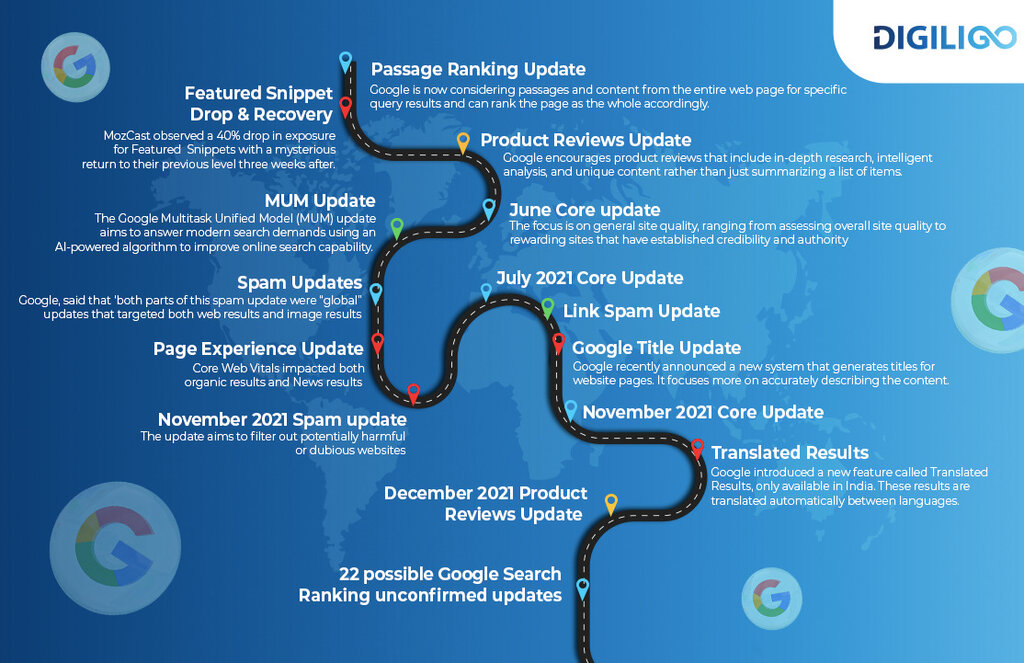
Modern SEO is less about outsmarting an algorithm and more about creating a genuinely good experience for the user. The focus has shifted from technical tricks to providing high-quality, relevant, and helpful content that directly addresses what people are searching for.
Understanding User Intent
The single most important concept in modern SEO is user intent. This refers to the why behind a search query. What is the person actually trying to accomplish?
If you can understand the user's goal, you can create content that perfectly matches it. Search engines are very good at figuring this out, and they reward pages that satisfy user intent. Broadly, we can group intent into four main categories.
| Intent Type | Goal | Example Search Query |
|---|---|---|
| Informational | To find information or an answer. | "how tall is mount everest" |
| Navigational | To go to a specific website. | "youtube" |
| Transactional | To buy something or complete an action. | "buy iphone 15" |
| Commercial | To research a purchase before buying. | "best running shoes for flat feet" |
Matching your content to user intent is crucial. If someone is searching for "best running shoes" (commercial intent), they don't want a history of running shoes (informational intent). They want reviews, comparisons, and links to buy. Aligning your content with the user's goal is the foundation of successful SEO.
Now, let's test your knowledge on these fundamental concepts.
What is the primary goal of Search Engine Optimization (SEO)?
What is the correct sequence of how search engines process information from the internet?
By understanding what SEO is, how search engines work, and the importance of user intent, you've taken the first step toward making your content more visible to the people who need it.