SEO Fundamentals for Online Success
Introduction to SEO
Getting Found Online
Imagine you've written the best book in the world, but it's hidden away in the basement of a massive library. How will anyone ever find it? This is the challenge that websites face on the internet. Search Engine Optimization, or SEO, is the practice of making your website more attractive to search engines like Google and Bing. The goal is to show up higher in search results, making it easier for people to find you.
When your site ranks high for searches related to your content, you get what's called “organic traffic.” This means visitors find you naturally, without you having to pay for ads. It's one of the most effective ways to build a long-term audience.

How Search Engines Evolved
In the early days of the internet, search engines were like simple librarians. You'd give them a word, and they'd fetch a list of documents containing that exact word. They were easily tricked. People would stuff pages with keywords to rank higher, even if the content wasn't very good.
But search engines got much smarter. Today, they use complex algorithms to understand not just what you're searching for, but why. They analyze hundreds of factors to determine which pages are the most relevant and trustworthy. They look at the quality of the content, the website's reputation, and how user-friendly it is. This shift forced SEO to evolve from a game of tricks to a practice focused on creating genuine value for users.

The Three Pillars of SEO
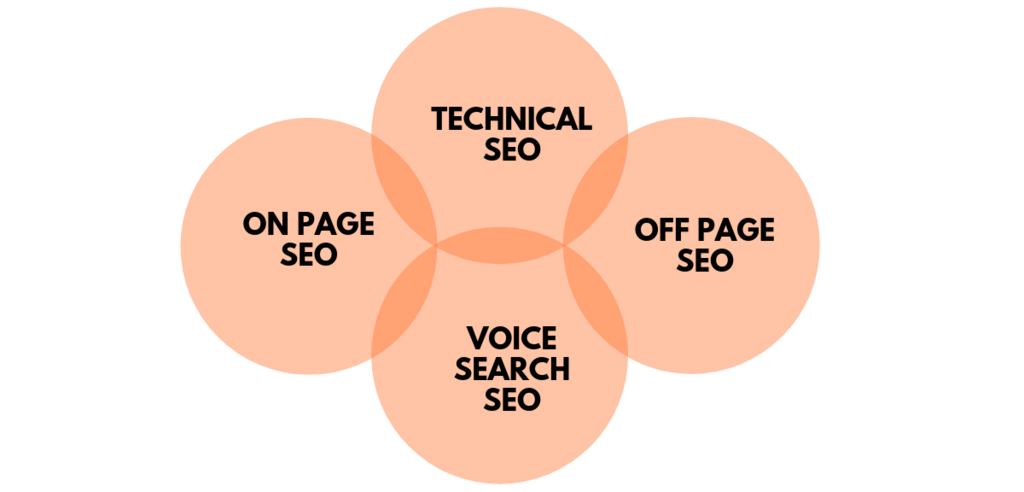
Effective SEO stands on three main pillars: on-page, off-page, and technical SEO. Each one plays a different but equally important role.
On-Page SEO is everything on your actual website that you can control. This includes the quality of your content, the keywords you use, your page titles, and how your images are labeled. It’s about making your content clear to both search engines and human readers.
Off-Page SEO refers to actions taken outside of your website to build its authority and reputation. The most important factor here is backlinks—links from other reputable websites to yours. Think of these as votes of confidence. When another site links to you, it signals to search engines that your content is valuable.
Technical SEO is the behind-the-scenes work that helps search engines crawl and index your site more effectively. This involves things like site speed, mobile-friendliness, and creating a clear site map. If a search engine can't easily access and understand your site, even the best content might go unnoticed.
SEO and Digital Marketing
SEO isn't a standalone activity; it's a cornerstone of a broader digital marketing strategy. While paid ads can bring quick traffic, that traffic stops the moment you stop paying. SEO, on the other hand, builds a lasting foundation.
A well-optimized website can generate a steady stream of relevant visitors for months or even years. It builds brand credibility, as users tend to trust organic results more than paid ads. When combined with other marketing efforts like social media and email, SEO becomes a powerful engine for sustainable growth.
Search Engine Optimization (SEO) is the foundation of any successful digital marketing strategy.
Understanding these fundamentals is the first step. By focusing on creating high-quality content and a great user experience, you align your goals with the goals of search engines, which is the key to long-term success.