SEO Essentials
Introduction to SEO
What is SEO?
Search Engine Optimization, or SEO, is the process of making a website more visible on search engines like Google or Bing. The goal is to show up higher in the organic search results, which are the main, unpaid listings, not the ads at the very top.
Think of the internet as a massive library. If your website is a book in that library, SEO is like making sure your book has a clear title, a helpful summary, and is placed on the right shelf so people looking for its topic can find it easily. Better SEO means more people find your website without you having to pay for every single click.
Search Engine Optimization (SEO) is the art and science of optimizing a website to rank higher in search engine results.
How Search Engines Work
To understand SEO, you first need to understand the three main jobs of a search engine: crawling, indexing, and ranking. It’s a continuous, automated process that allows them to deliver relevant results in a fraction of a second.
First, crawling is the discovery process. Search engines send out web crawlers, also known as spiders or bots, to find new and updated content. These crawlers navigate the internet by following links from page to page.
Next comes indexing. After a crawler finds a page, the search engine analyzes its content—text, images, videos—and stores this information in a huge database called an index. This index is essentially a digital library of the web, and a page has to be in it to show up in search results.
Finally, ranking. When you type a query into a search engine, it scours its index for the most relevant pages and orders them in a way it thinks will best answer your question. This ordering is the ranking. The search engine's algorithm considers hundreds of factors to determine which pages are most authoritative and relevant for a given search.
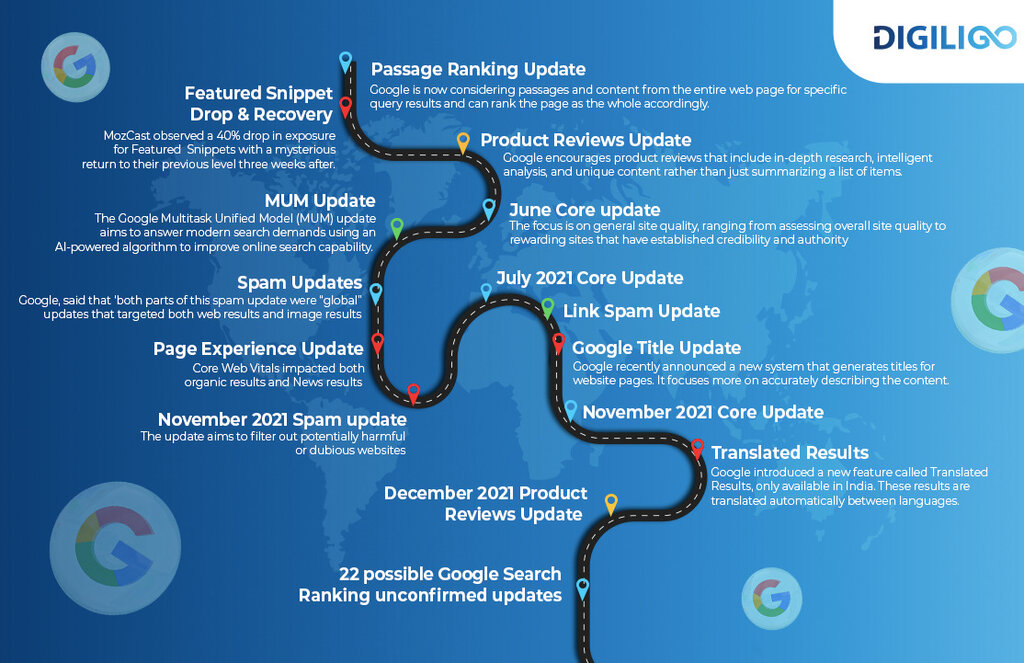
Why SEO Matters
In today's digital world, a strong online presence is essential. SEO is a key part of any digital marketing strategy because it focuses on attracting visitors who are actively looking for the products, services, or information you offer.
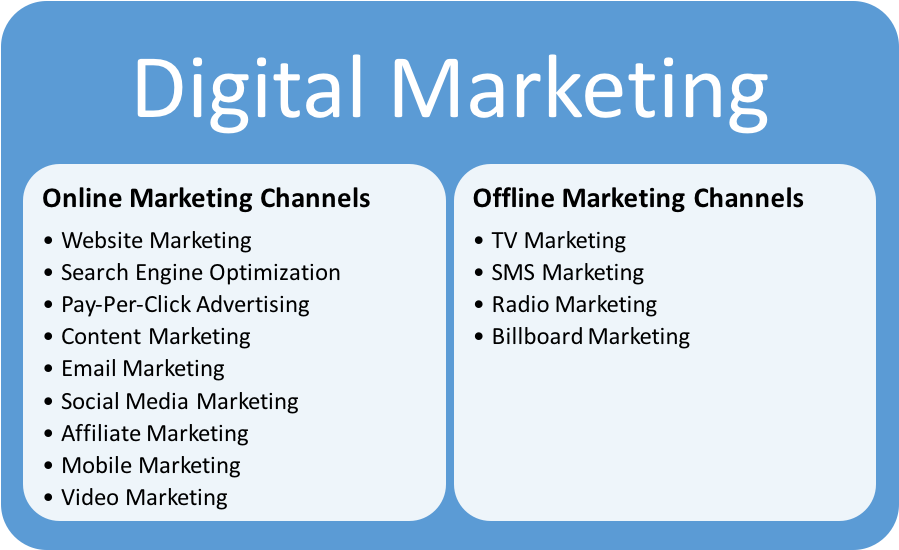
Unlike paid advertising, where you pay for placement, traffic from organic search is technically "free." It requires an investment of time and resources, but a well-ranked page can bring in qualified traffic for months or even years. This makes SEO one of the most cost-effective marketing strategies for long-term growth.
By optimizing your site, you’re not just trying to please a search engine algorithm. You’re also creating a better, faster, and more user-friendly experience for people. A good user experience helps build trust and credibility, which are crucial for turning visitors into loyal customers.
Good SEO practice is about making your website valuable to both search engines and users.
Ready to test your knowledge on these foundational concepts?
What is the primary goal of Search Engine Optimization (SEO)?
Which sequence correctly describes the three main processes a search engine uses to deliver results?