Senior-Proof Bathroom Design for Women
Understanding Bathroom Safety
The Most Dangerous Room
The bathroom is a place of privacy and routine. But for many seniors, it's also the most hazardous room in the house. A combination of hard surfaces, water, and the physical demands of bathing and using the toilet create a high risk for falls and injuries.
Statistics show the danger is real. The Centers for Disease Control and Prevention (CDC) reports that about 235,000 people over age 15 visit emergency rooms each year because of injuries suffered in the bathroom. Over a third of these injuries happen while bathing or showering.
These risks are especially pronounced for women. Due to factors like lower bone density and muscle mass on average, older women are more susceptible to serious injuries from a fall, such as a hip fracture. An injury in the bathroom can be a pivotal event, often leading to a loss of independence.
Common Bathroom Hazards
Recognizing potential dangers is the first step toward creating a safer space. Most bathroom accidents are not random events but the result of specific, preventable hazards.
Slippery surfaces are the number one culprit. A wet floor or a slick tub surface can easily lead to a fall. Stepping in and out of a bathtub with a high wall is a particularly risky moment.
Inadequate lighting is another major issue. Poor visibility can make it hard to navigate the bathroom safely, especially at night. Tripping over a bathmat or misjudging a step becomes much more likely in the dark.
Finally, the fixtures themselves can be obstacles. Toilets that are too low can be difficult to get up from, putting strain on knees and backs. Faucets with small, hard-to-turn knobs can be a challenge for those with arthritis or limited hand strength.
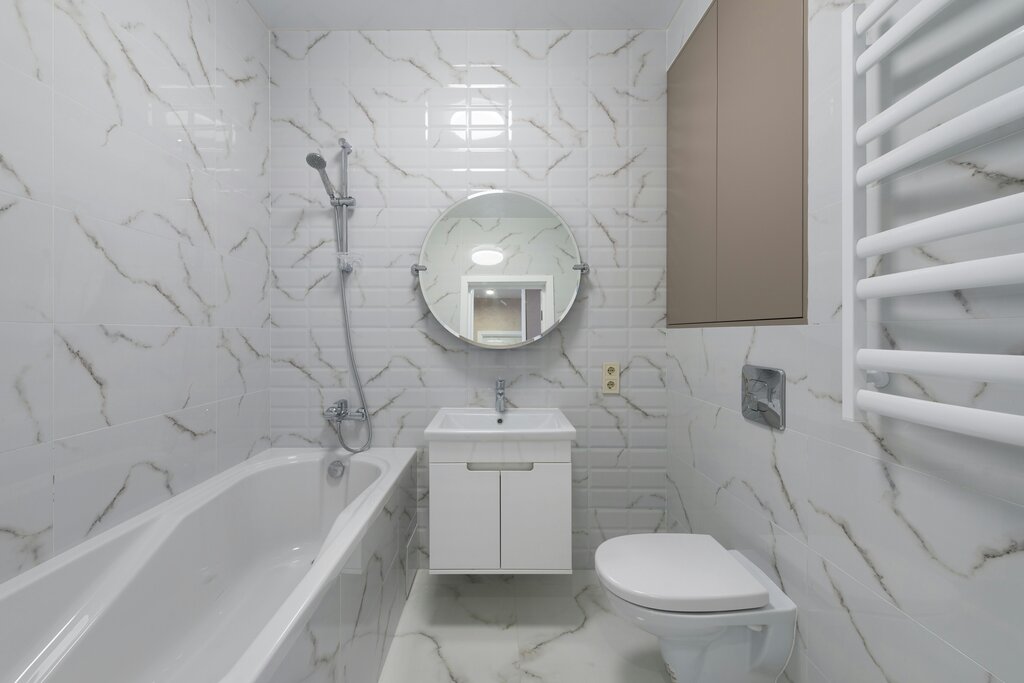
Safety and Independence
Creating a safe bathroom isn't just about preventing injuries. It's about preserving dignity, confidence, and independence. When a senior feels secure in their own bathroom, they are more likely to maintain their personal care routines without assistance, which is a cornerstone of living independently.
Aging in place bathrooms make it easier for older adults to use the space without assistance.
A fear of falling can cause seniors to avoid bathing as often as they should, which can lead to other health issues. By addressing the physical hazards in the bathroom, we also address the psychological barriers to self-care. This empowers older adults to continue living in their own homes comfortably and safely for as long as possible.
Now, let's review what you've learned about the importance of bathroom safety.
According to the CDC, where do over a third of bathroom-related injuries for people over age 15 occur?
Why are older women noted as being particularly susceptible to serious injuries from a fall in the bathroom?
Understanding these risks is the first step toward making meaningful improvements for a safer home.