Senior IT Project Manager Responsibilities
Introduction to IT Project Management
The Blueprint for Tech Projects
Every tech project, from building a new app to upgrading a company's entire network, needs a plan. IT project management is the process of guiding these projects from an initial idea to a successful launch. It’s about bringing order to complexity, ensuring that the final product not only works but also achieves what it was meant to do for the business.
At the heart of this process is the project lifecycle, a framework that breaks down a project into manageable stages. Think of it as a roadmap that shows the team where they are, where they're going, and what steps to take next.
Here’s a breakdown of the typical phases:
-
Initiation: This is where the project is born. The core idea is defined, and its value to the business is determined. Is it feasible? Does it solve a real problem? If the answers are yes, the project gets the green light.
-
Planning: The roadmap is drawn in detail. The team defines the project's scope, sets a budget, creates a schedule, and identifies potential risks. Clear goals and deliverables are established so everyone knows what success looks like.
-
Execution: The work begins. Developers write code, engineers set up hardware, and designers create interfaces. The project manager coordinates the team, manages resources, and keeps the work moving forward.
-
Monitoring & Controlling: This happens alongside execution. The project manager tracks progress against the plan. Are we on schedule? Are we staying within budget? If things go off track, adjustments are made to steer the project back in the right direction.
-
Closing: The project is complete. The final product is delivered, all contracts are closed out, and the team documents lessons learned. This final step is crucial for improving future projects.
Ways of Working
Not all projects are the same, so there isn't one single way to manage them. Two of the most common methodologies are Waterfall and Agile. Choosing the right one depends on the project's complexity and how much is known upfront.
Waterfall
noun
A traditional project management method where tasks and phases are completed in a linear, sequential order. Each stage must be fully completed before the next begins.
The Waterfall model is rigid and straightforward. You complete one phase entirely before moving to the next, like a waterfall flowing down a series of steps. This approach works best when the project goals are crystal clear from the start and are unlikely to change.
Agile
adjective
A flexible, iterative approach to project management that focuses on breaking large projects into smaller, manageable tasks completed in short cycles or 'sprints'.
Agile is all about adaptability. The project is broken down into small, iterative cycles. The team builds and delivers a small piece of the project, gets feedback, and then adapts the plan for the next cycle. This is ideal for complex projects where requirements may evolve over time.
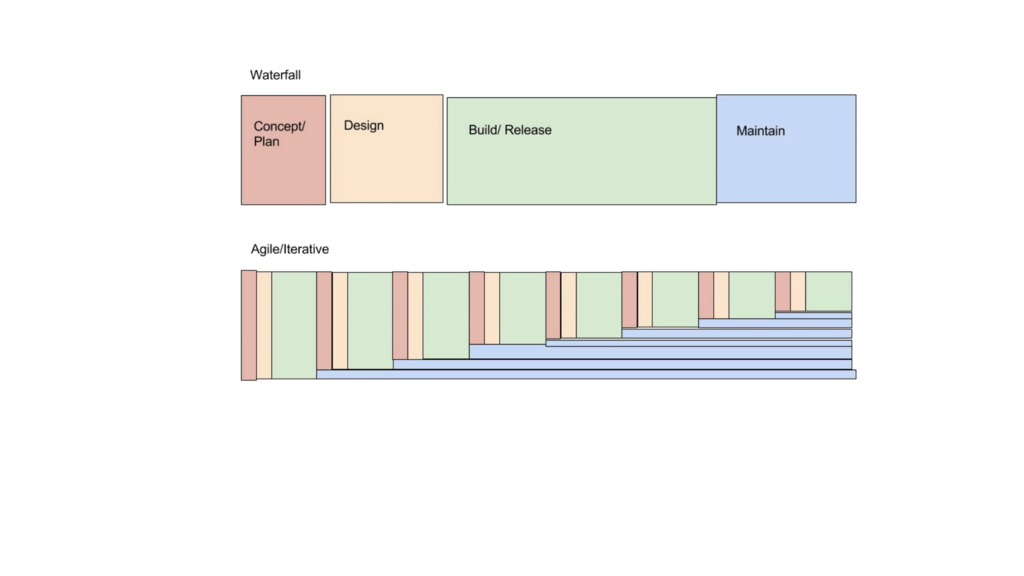
| Feature | Waterfall | Agile |
|---|---|---|
| Structure | Linear, sequential | Iterative, cyclical |
| Flexibility | Low; changes are difficult and costly | High; changes are expected and welcomed |
| Best For | Projects with clear, fixed requirements | Projects with evolving or unclear requirements |
| Delivery | One final delivery at the end | Frequent, small deliveries |
| Feedback | Gathered at the end of the project | Gathered continuously throughout |
Many modern projects use a hybrid approach, combining the planning of Waterfall with the flexibility of Agile to get the best of both worlds.
The Role of the Leader
The Senior IT Project Manager is the captain of the ship. They aren't just tracking tasks and deadlines; they are leaders, communicators, and strategists responsible for steering large, complex projects to success.
Their key responsibilities include:
- Strategic Planning: Working with business leaders to define the project's goals and ensure it aligns with the company's objectives.
- Resource Management: Assembling the right team and managing the budget to ensure the project has what it needs to succeed.
- Stakeholder Communication: Keeping everyone from executives to team members informed and engaged. This means translating technical jargon into plain English and managing expectations.
- Risk Management: Identifying potential problems before they happen and having a plan to deal with them.
- Problem-Solving: When things go wrong, and they often do, the project manager is the one who steps in to find a solution and get the project back on track.
IT project managers must possess enough technical depth to evaluate solution feasibility, communicate meaningfully with engineering teams, and identify potential integration challenges before they become costly delays.
A Senior PM in a large organization juggles these duties across high-stakes initiatives that often involve multiple teams, departments, and even external vendors. They need a deep understanding of both the technology and the business to make it all work.
Connecting IT to the Business
The most important responsibility of an IT project manager is ensuring their project delivers real business value. Technology for technology's sake is a waste of resources. Every IT project must be tied directly to a business objective, whether it's increasing revenue, improving efficiency, reducing costs, or enhancing customer satisfaction.
For example, a project to implement new sales software isn't just about installing an application. It's about empowering the sales team to close more deals and build better customer relationships. The project manager must understand this underlying goal to make decisions that truly support it.
This alignment ensures that IT isn't just a cost center but a strategic partner that helps the entire organization succeed.
Ready to test your knowledge? Let's see what you've learned about the fundamentals of IT project management.
During which phase of the project lifecycle are the project's scope, budget, and schedule defined in detail?
A team is developing a new software product where the requirements are expected to change frequently based on user feedback. Which project management methodology would be most appropriate?
Understanding these core concepts—the lifecycle, the methodologies, and the strategic role of the project manager—provides a solid foundation for tackling any IT project.