Senior Category Manager Salaries at Bega Cheese
Understanding Category Management
What Is Category Management?
Think about your last trip to the grocery store. You probably noticed that all the different types of cheese are in one section, all the cereals are in another, and all the cleaning supplies are grouped together. This isn't an accident. It's a strategy called category management.
Category management is the process of grouping similar or related products into distinct categories and managing them as individual business units. Instead of looking at one brand of yogurt, a retailer looks at the entire yogurt category. This allows them to make smarter decisions about what to sell, how to price it, and where to place it in the store to best meet customer needs.
The goal is to optimize sales and profits for the entire category, not just a single product.
Each of these categories is overseen by a category manager. This person acts like a mini-CEO for their specific group of products. For a company like Bega Cheese, a category manager might be responsible for the entire block cheese category, while another handles shredded cheese, and another focuses on cream cheese. They are the experts on their category's market, competition, and customers.
A Category Manager's Playbook
A category manager juggles several key responsibilities to ensure their category thrives. Their work is a blend of analysis, strategy, and relationship-building.
Product Selection: The manager decides which specific products and brands to carry. This involves analyzing sales data, tracking market trends, and understanding customer preferences. Should they add a new organic, grass-fed cheddar? Should they discontinue a slow-selling provolone? These are the kinds of questions they answer.
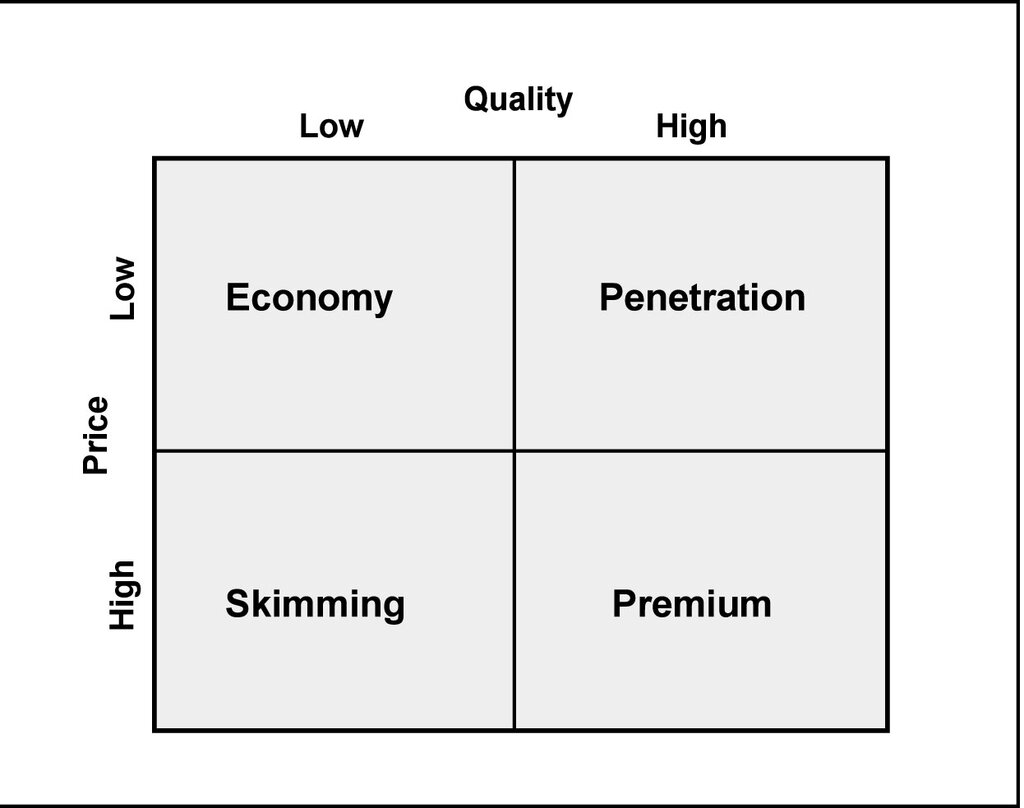
Pricing Strategies: Setting the right price is crucial. The category manager develops a pricing strategy that aligns with the company's goals. This could mean pricing products competitively to drive volume, or setting premium prices for high-quality items to maximize profit margins. They also plan promotional pricing, like sales and discounts.
Supplier Relationships: Strong relationships with suppliers are essential. The category manager negotiates with manufacturers and vendors to secure the best possible terms, including cost, delivery schedules, and marketing support. A good partnership ensures a steady supply of quality products that customers want.
Shelf Placement (Planogram): The manager even influences how products are arranged on the shelf. This is a science in itself, designed to make shopping easier for the customer and to draw attention to specific products, like new items or promotional deals.
Connecting Categories to Company Goals
Effective category management is more than just stocking shelves. It's about ensuring that the strategy for each category supports the broader objectives of the entire business.
For example, if a retailer's overall strategy is to be the go-to destination for health-conscious shoppers, the category manager for snacks would focus on sourcing and promoting organic, low-sugar, and gluten-free options. Their product selection, pricing, and promotions would all reflect this larger company goal.
If the business objective is to be a price leader, category managers across the board would focus on negotiating low costs from suppliers and managing their pricing to be the most competitive in the market. Each category's plan becomes a building block for the company's success.
By aligning category strategies with business objectives, a company creates a consistent and powerful message for its customers, no matter which aisle they're in.
Now, let's test your understanding of these core concepts.
What is the primary purpose of category management?
The person responsible for overseeing a specific group of related products, such as all types of block cheese, is called a ________.
This strategic alignment ensures that every decision, from the cheese aisle to the checkout counter, works together to build a successful and profitable business.