Semiconductor Supply Chain Risks
Semiconductor Supply Chain Overview
From Sand to Smartphone
Every time you use a phone, computer, or car, you're interacting with a tiny, intricate piece of technology: a semiconductor chip. These chips are the brains of modern electronics, but they don't just appear out of nowhere. They are the final product of one of the most complex and global supply chains ever created. A supply chain is the entire network involved in creating and distributing a product, from raw materials to the final customer.
For semiconductors, this journey begins with a surprisingly common material: sand. High-purity quartz is extracted from sand and then melted and purified to create large, cylindrical crystals of silicon. These crystals are then sliced into ultra-thin discs called wafers, which serve as the foundation for the chips.
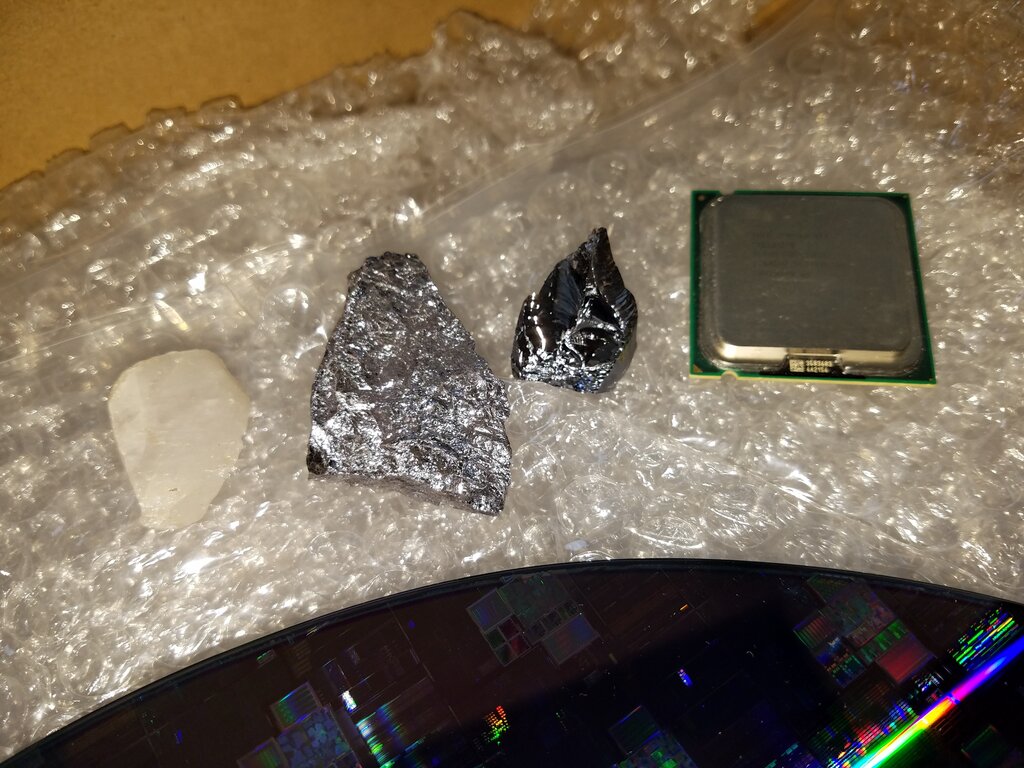
A Global Assembly Line
Creating a chip from a silicon wafer involves a sequence of highly specialized steps, each often happening in a different part of the world. This geographic specialization is a defining feature of the semiconductor supply chain.
The process starts with design. Specialized firms, known as fabless companies, architect the chip's circuitry. They create a blueprint using sophisticated Electronic Design Automation (EDA) software. These design companies are concentrated in places like the United States.
Next, the blueprint is sent to a fabrication plant, or "fab." This is where the magic happens. In hyper-clean rooms, the chip designs are etched onto the silicon wafers using a process called photolithography. This is the most capital-intensive and technologically demanding part of the process. A handful of companies, primarily located in Taiwan and South Korea, dominate this stage.
After fabrication, the wafer, now containing hundreds or thousands of individual chips, is sent to another facility for Assembly, Test, and Packaging (ATP). Here, the wafer is sliced to separate the individual chips. Each chip is then tested, placed into a protective casing, and prepared for installation into an electronic device. This final stage is often handled by companies in Southeast Asia, such as Malaysia and Vietnam.
This diagram shows a simplified view, but it highlights the incredible level of coordination required. A single chip can travel tens of thousands of miles before it reaches the device in your pocket. This global interdependence means that companies must work together across borders, cultures, and time zones.
This sophisticated global semiconductor chain has been made possible by decades of collaboration between companies in different countries.
The Cast of Characters
The supply chain is powered by a diverse set of stakeholders, each with a specific role. Understanding these players is key to understanding the industry.
- Raw Material Suppliers: These companies provide the foundational elements, from the ultra-pure silicon wafers to the specialized chemicals and gases used in manufacturing.
- EDA and IP Core Companies: They create the digital tools and pre-designed functional blocks (Intellectual Property) that engineers use to design chips.
- Fabless Companies: These firms are the architects. They design and sell chips but outsource the manufacturing to third-party foundries. Think of them as the "brains" of the operation.
- Foundries: These are the manufacturing powerhouses. They are pure-play manufacturers that don't design their own chips but produce them for fabless companies.
- Integrated Device Manufacturers (IDMs): These companies do it all. They design, manufacture, and sell their own chips under one roof.
- ATP Companies: These firms handle the back-end services, preparing the finished chips from the wafer for final use.
- Original Equipment Manufacturers (OEMs): These are the brands we all know. They purchase finished chips from distributors or chipmakers and integrate them into their products, like smartphones, laptops, and cars.
Each link in this chain adds value, and the seamless handover from one stage to the next is what makes the whole system work.
Now, let's test your knowledge of how this global system comes together.
What is the primary raw material used to create the silicon wafers that form the foundation of semiconductor chips?
A company designs a new processor but outsources the physical manufacturing to a separate, highly specialized plant. What type of company is the one that designed the chip?
The semiconductor supply chain is a marvel of modern logistics and technology, a delicate dance of global cooperation that powers our digital world.