Semiconductor Supply Chain Risks
Semiconductor Supply Chain Overview
From Idea to Blueprint
Every microchip begins as an idea. A company might need a processor for a new smartphone or a specialized chip for an AI server. This initial stage is all about design, a highly complex process of creating a blueprint for the chip's circuitry.
In the semiconductor world, companies often specialize. Some, called Integrated Device Manufacturers (IDMs), design and manufacture their own chips. Intel is a classic example. Others are fabless companies, meaning they focus solely on design and outsource the manufacturing. Companies like NVIDIA, Qualcomm, and AMD are major fabless players. They create the intricate designs but don't own the factories, or "fabs," that build them.
The design process itself relies on sophisticated software known as Electronic Design Automation (EDA). Think of EDA as a highly advanced architectural program for circuits. It helps engineers lay out billions of transistors, verify the design works as intended, and prepare it for manufacturing. A small number of companies, like Synopsys and Cadence, dominate the EDA software market, making them a critical, though less visible, part of the supply chain.
The Art of the Fab
Once the design is complete, it's time for manufacturing. This happens in a foundry, or fabrication plant (fab). These are some of the most advanced and expensive factories on Earth, costing billions of dollars to build and equip. The leading foundries, like Taiwan Semiconductor Manufacturing Company (TSMC) and Samsung, are titans of the industry. They take designs from hundreds of different fabless companies and turn them into physical silicon chips.
The process is mind-bogglingly precise. It starts with a large, thin disc of pure silicon called a wafer. The chip's design is then etched onto the wafer, layer by layer, using a process called photolithography. This involves projecting light through a mask (a template of the chip design) onto the wafer, which is coated with a light-sensitive material. The exposed areas are then chemically etched away, creating the microscopic circuits. This process is repeated dozens of times to build up the complex, three-dimensional structure of a modern chip.
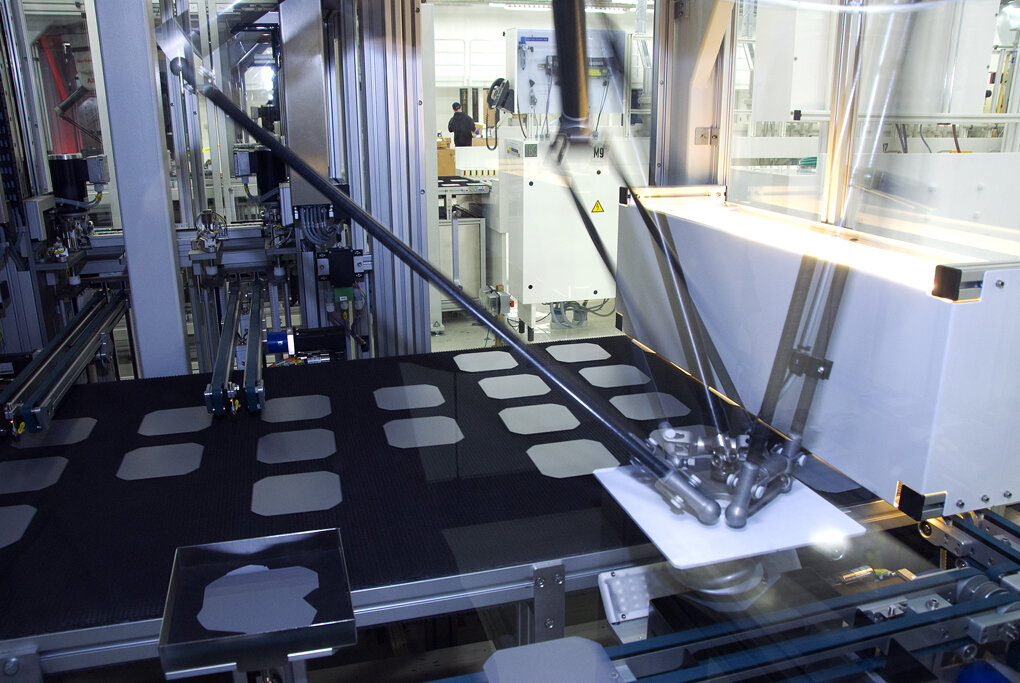
The machinery required for this process is incredibly specialized. For cutting-edge chips, the key piece of equipment is an extreme ultraviolet (EUV) lithography machine. These machines are produced by just one company in the world: ASML in the Netherlands. This creates a critical dependency; without ASML's machines, building the most advanced chips is impossible.
Assembly and Distribution
After the patterns are etched, the wafer holds hundreds or even thousands of individual chips, called dies. The next step is to test them and cut the wafer into individual dies. This phase is known as Assembly, Test, and Packaging (ATP).
During the ATP stage, the fragile silicon die is placed into a protective casing, or package. This package is what we typically think of as a 'chip.' It shields the delicate circuitry and provides the metal pins that connect it to a larger circuit board.
ATP is a distinct and specialized part of the supply chain. While some manufacturing can be highly concentrated geographically (like advanced fabrication), ATP facilities are often located in different countries, particularly in Southeast Asia. This means a single chip might be designed in the U.S., fabricated in Taiwan, and then sent to Malaysia for packaging before finally being shipped to a device manufacturer in China.
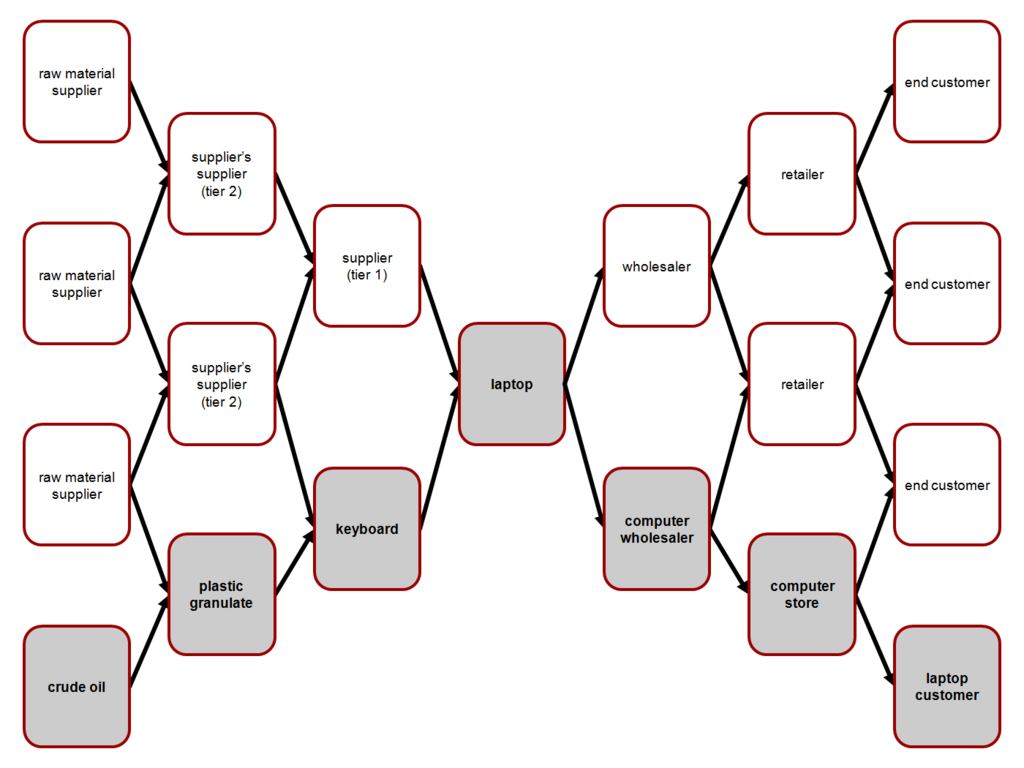
The result is a highly efficient but incredibly complex global network. Each stage depends on the others. A design firm is powerless without a foundry, a foundry is useless without EDA software and lithography machines, and a final product can't be assembled without the packaged chips. This intricate web of interdependencies has allowed the semiconductor industry to achieve incredible technological feats, but it also means that a disruption in one part of the world can have ripple effects across the entire globe.
Let's review the key players and processes in this global system.