Semiconductor Supply Chain Risks
Semiconductor Supply Chain Overview
The Journey of a Chip
Nearly every piece of modern technology, from your phone to your car, runs on tiny electronic brains called semiconductors, or chips. But how do these chips come to be? They are the product of one of the most complex and globalized supply chains ever created. A supply chain is simply the entire process of making and selling a product, from sourcing the raw materials to delivering the final item to a customer.
The semiconductor supply chain takes this concept to an extreme. It's a globe-spanning network of specialized companies, each playing a critical role in transforming a common raw material—sand—into the powerful chips that drive our world. The journey involves dozens of steps, crosses international borders multiple times, and relies on a delicate dance of logistics and technology.
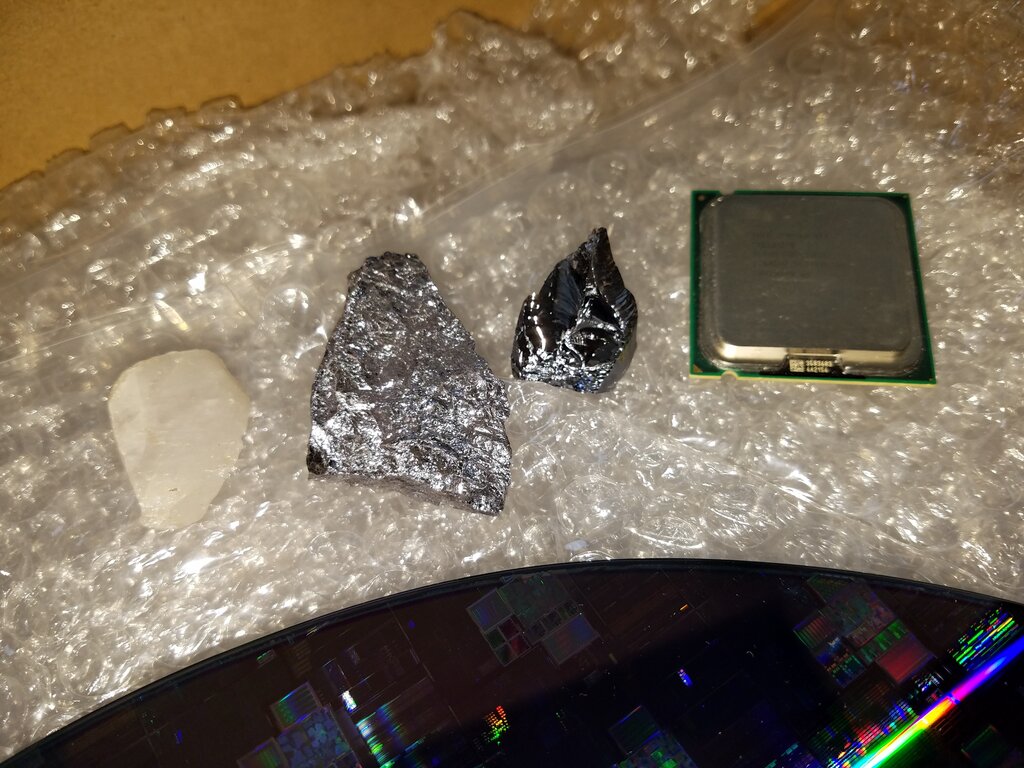
From Sand to Silicon
The creation of a semiconductor chip follows a specific, multi-stage path. Each stage often involves different companies in different parts of the world.
-
Design: Before anything is built, a chip must be designed. This is a highly specialized process, like drawing up a blueprint for a skyscraper with billions of rooms and hallways. Companies known as "fabless" firms (because they don't have their own fabrication plants) often handle this stage. They create the intricate layouts for the chip's circuitry using sophisticated software.
-
Fabrication: This is where the design becomes a physical object. The process starts with a raw material, typically silicon, which is purified from quartz sand and grown into large, cylindrical crystals called ingots. These ingots are sliced into thin, perfectly polished discs known as wafers.
Inside massive, ultra-clean factories called foundries or "fabs," these wafers undergo hundreds of steps. Layers of different materials are deposited, patterns are etched onto the surface using a process called lithography, and transistors are built up layer by microscopic layer. A single wafer can contain hundreds or even thousands of individual chips.
-
Assembly, Test, and Packaging (ATP): Once the wafer is complete, it's cut into individual chips (called dies). Each die is then tested to ensure it works correctly. Functional dies are placed into a protective casing, or package, which includes the metal pins that connect the chip to a circuit board. This ATP stage is crucial for protecting the delicate silicon and allowing it to be used in an electronic device.
-
Distribution: Finally, the packaged and tested chips are shipped to electronics manufacturers around the world. These companies then integrate the chips into their final products, like smartphones, laptops, and servers, which are then sold to consumers and businesses.
A Global Cast of Players
No single company or country controls the entire semiconductor supply chain. Instead, it’s a highly interdependent ecosystem of specialized players, each a world leader in its niche.
-
Raw Material & Chemical Suppliers: These companies provide the foundational materials, from ultra-pure silicon wafers to the specialized gases and chemicals required for fabrication.
-
Equipment Manufacturers: This small group of companies builds the incredibly complex and expensive machinery used in fabs. For example, a single company in the Netherlands, ASML, is the world's only supplier of the advanced lithography machines needed to make the most powerful chips.
-
Design Firms (Fabless): As mentioned, these firms focus solely on designing chips. Companies like NVIDIA, Qualcomm, and AMD are leading design firms whose products are manufactured by others.
-
Foundries: These are the manufacturing powerhouses that fabricate chips for design firms. Taiwan's TSMC and South Korea's Samsung are the dominant players in this space, especially for cutting-edge chips.
-
Integrated Device Manufacturers (IDMs): Some companies do it all: they design, manufacture, and sell their own chips. Intel is a classic example of an IDM.
-
Assembly, Test, & Packaging (ATP) Providers: After fabrication, wafers are often sent to different facilities, many located in Southeast Asia, that specialize in the final ATP steps.
-
Distributors & End-Users: The final links are the distributors who manage inventory and logistics, and the electronics companies (like Apple or Dell) that purchase the finished chips to build the devices we use every day. This global collaboration is what makes the modern digital world possible.
This sophisticated global semiconductor chain has been made possible by decades of collaboration between companies in different countries.
Now that you have an overview of the supply chain's structure and key players, let's test your knowledge.
What common raw material is the starting point for producing the silicon wafers used in chip manufacturing?
Which of the following lists the primary stages of the semiconductor manufacturing process in the correct order?
Understanding the journey of a semiconductor, from a grain of sand to the heart of a supercomputer, reveals the incredible complexity and cooperation required to power our modern world.