Semiconductor Supply Chain Risks
Semiconductor Supply Chain Overview
The Brains of Modern Electronics
Nearly every piece of modern technology, from your smartphone to your car, relies on tiny electronic components called semiconductors. These materials, most commonly silicon, have a special property: they can be made to conduct electricity or to stop it. This on/off switching ability is the foundation of all digital computing, allowing us to build microscopic transistors that act as tiny gates for electrical signals.
When billions of these transistors are etched onto a small piece of silicon, you get an integrated circuit, or a chip. These chips are the brains of our devices. They perform the calculations that run your apps, manage the power in your electric vehicle, and connect your laptop to the internet. Without them, the digital world as we know it would not exist. This is why a smooth and efficient supply chain to create them is so critical.
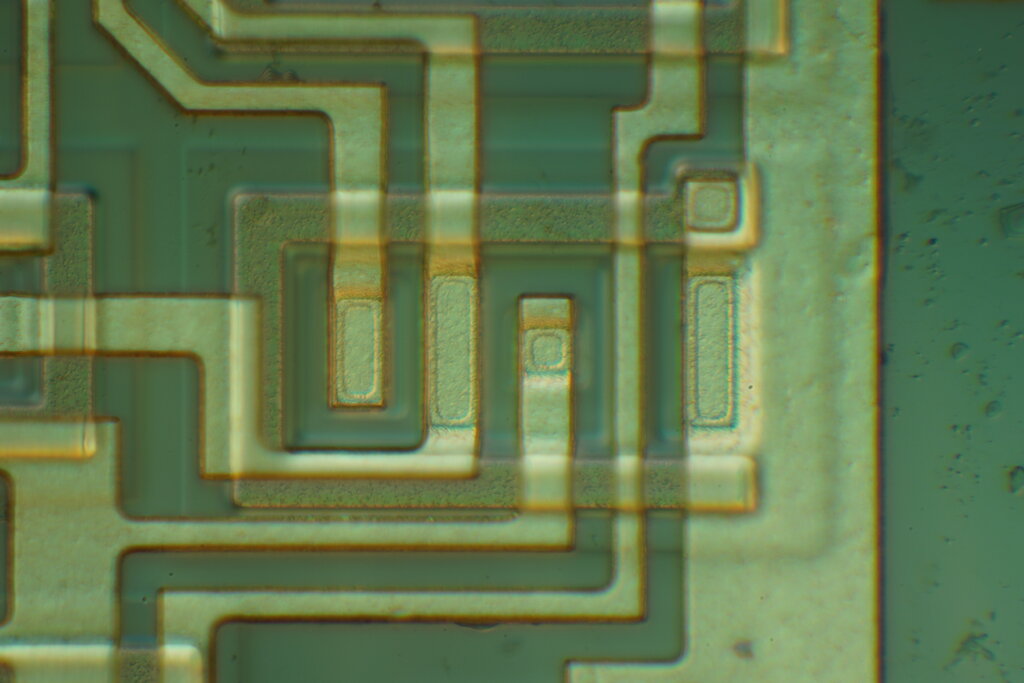
From Sand to Silicon Chip
The journey from a grain of sand to a functioning microchip is one of the most complex manufacturing processes ever developed. It starts with purifying silicon from quartz sand into large, cylindrical ingots of near-perfect crystal. These ingots are then sliced into thin, reflective discs called wafers.
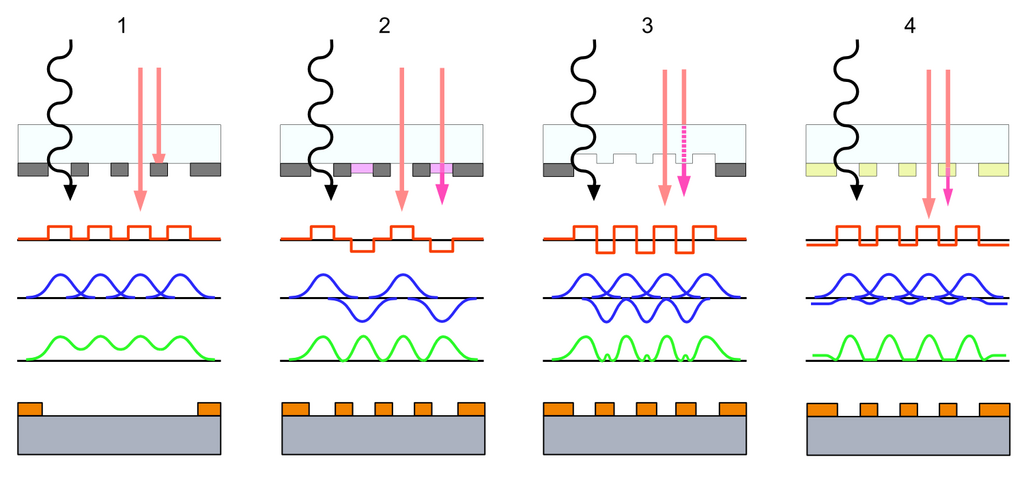
The real magic happens in a fabrication plant, or "fab." Here, the wafer undergoes hundreds of steps to build up the layers of an integrated circuit. The core process is called photolithography. It works a bit like developing a photograph. A layer of light-sensitive material is applied to the wafer, and then ultraviolet light is shone through a mask, or a template of the circuit design. The light exposes a pattern, which is then chemically etched into the wafer. This process is repeated dozens of times, adding and removing different materials to build up the billions of transistors and the intricate wiring that connects them.
Once the fabrication is complete, the wafer is a grid of hundreds or thousands of identical chips, called dies. The wafer is tested, then sliced up to separate these dies. Each functioning die is then packaged—placed in a protective casing with metal pins that allow it to connect to a larger circuit board. Finally, the packaged chip goes through a final round of testing to ensure it works perfectly before it's shipped to a device manufacturer.
A Global Handshake
Creating a single chip requires a highly specialized and globally distributed supply chain. No single company or country can do it all. The process involves a complex partnership between different types of companies, each playing a crucial role.
Let's break down these key players:
-
IP and EDA Companies: The supply chain starts with ideas and software. Intellectual Property (IP) companies create and license reusable blocks of circuit design, like a processor core. Electronic Design Automation (EDA) companies create the complex software tools that engineers use to design chips.
-
Fabless Companies: These companies, like NVIDIA or Apple, design their own chips but do not own any manufacturing plants (fabs). They focus entirely on the design and marketing, then send their blueprints to a partner for manufacturing.
-
Foundries: These are the manufacturing specialists. Companies like TSMC or GlobalFoundries are pure-play foundries that build chips for fabless companies. They invest billions in building and maintaining state-of-the-art fabs.
-
Integrated Device Manufacturers (IDMs): An IDM, like Intel or Samsung, does everything in-house. They design, manufacture, test, and sell their own chips.
-
OSAT Companies: Outsourced Assembly and Test (OSAT) companies specialize in the final steps. They take the finished wafers from foundries or IDMs, cut them into individual chips, package them, and perform the final testing.
This global division of labor allows each company to focus on what it does best, pushing innovation forward at an incredible pace. However, it also creates a chain where a disruption in one part of the world can affect the entire electronics industry.
Let's review the key terms and concepts from this section.
Now, test your understanding of how the semiconductor supply chain works.
What is the core manufacturing process that uses light to transfer a circuit pattern from a mask onto a silicon wafer?
A company designs a new processor but hires a separate, specialized manufacturing plant to produce the physical chips. The company that designed the processor is best described as a...
Understanding this intricate process gives you a new appreciation for the technology that powers our daily lives. Every chip is the result of a global effort involving immense precision and collaboration.