Semiconductor Supply Chain Risks
Semiconductor Supply Chain Overview
The Journey of a Chip
A semiconductor isn't just made; it's the product of a globe-spanning journey. The semiconductor supply chain isn't a simple, straight line. It’s a complex web of designers, material suppliers, equipment makers, manufacturers, and distributors, all working in concert. Each step is incredibly specialized, often happening in a different part of the world from the last. Getting from raw materials to the finished chip in your phone or car is a masterpiece of global logistics and technology.
This diagram shows the major steps. Let's look at what happens in each one.
From Sand to Silicon
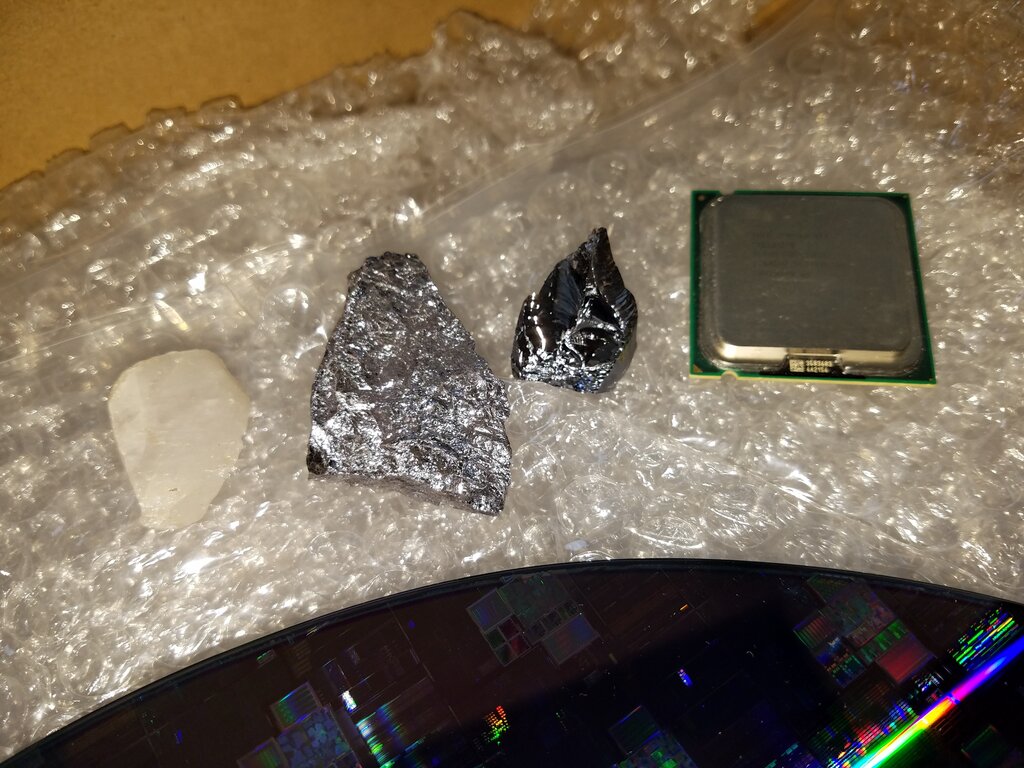
Everything starts with a raw material that’s incredibly common: sand. Specifically, the process uses quartz sand, which is rich in silicon dioxide (). This sand is melted down in a high-temperature furnace and purified to create electronic-grade silicon, which is over 99.9999% pure.
This molten silicon is then carefully grown into a massive single crystal called an ingot. These ingots, which can be several feet long, are then sliced into perfectly thin, circular discs. These are silicon wafers, the foundation upon which hundreds or even thousands of chips will be built.
Blueprints and Builders
Before anything can be built on the wafer, it must be designed. This is where different types of companies come into play, each with a specialized role.
Fabless companies are the architects. They design the intricate circuitry of the chips but don't actually manufacture them. Think of companies like NVIDIA, Apple, and AMD. They create the blueprints and then send them to a partner to be produced.
Foundries are the builders. They operate the massive, ultra-clean manufacturing plants, known as fabs, where chips are made. They take designs from fabless companies and turn them into physical products. Taiwan Semiconductor Manufacturing Company (TSMC) is the world's largest foundry.
foundry
noun
A semiconductor manufacturing plant that fabricates chips for other companies, known as fabless companies.
Then there are Integrated Device Manufacturers (IDMs), like Intel and Samsung. These companies do it all: they design, manufacture, and sell their own chips under one roof. Finally, equipment suppliers like ASML provide the highly complex machinery needed for manufacturing, from lithography machines to etchers.
A Global Web
The semiconductor supply chain is not contained within any single country. It’s a prime example of globalization, with different regions specializing in different stages.
- Design: The United States leads in chip design, with companies like NVIDIA, Intel, and AMD dominating the market.
- Equipment: The Netherlands (ASML) and Japan are key players in manufacturing equipment. ASML, in particular, has a monopoly on the advanced EUV lithography machines needed to make the most powerful chips.
- Fabrication: East Asia is the manufacturing powerhouse. Taiwan and South Korea, led by TSMC and Samsung respectively, produce the vast majority of the world's most advanced semiconductors.
- Assembly, Test, and Packaging (ATP): This final, more labor-intensive stage is heavily concentrated in countries like China, Malaysia, and Vietnam.
A single chip can cross international borders more than 70 times before it ends up in a final product.
This global specialization has made the supply chain incredibly efficient, allowing for constant innovation and lower costs. However, it also creates deep interdependencies. A disruption in one region can have ripple effects across the entire world, impacting countless industries that rely on these tiny electronic components.
A company that designs a chip but outsources the manufacturing to another company is known as a...
The majority of the world's most advanced semiconductor fabrication (manufacturing) is concentrated in which region?
This intricate network of specialists and regions is what brings our modern technology to life.