Semiconductor Supply Chain Risks
Semiconductor Supply Chain Overview
From Sand to Smartphone
Every microchip starts its life as something surprisingly common: sand. Specifically, the silicon dioxide in sand is refined to create extremely pure, single-crystal silicon ingots. These ingots, which look like large grey cylinders, are then sliced into thin, perfectly polished discs called wafers. A single wafer can be the base for hundreds or even thousands of individual chips.
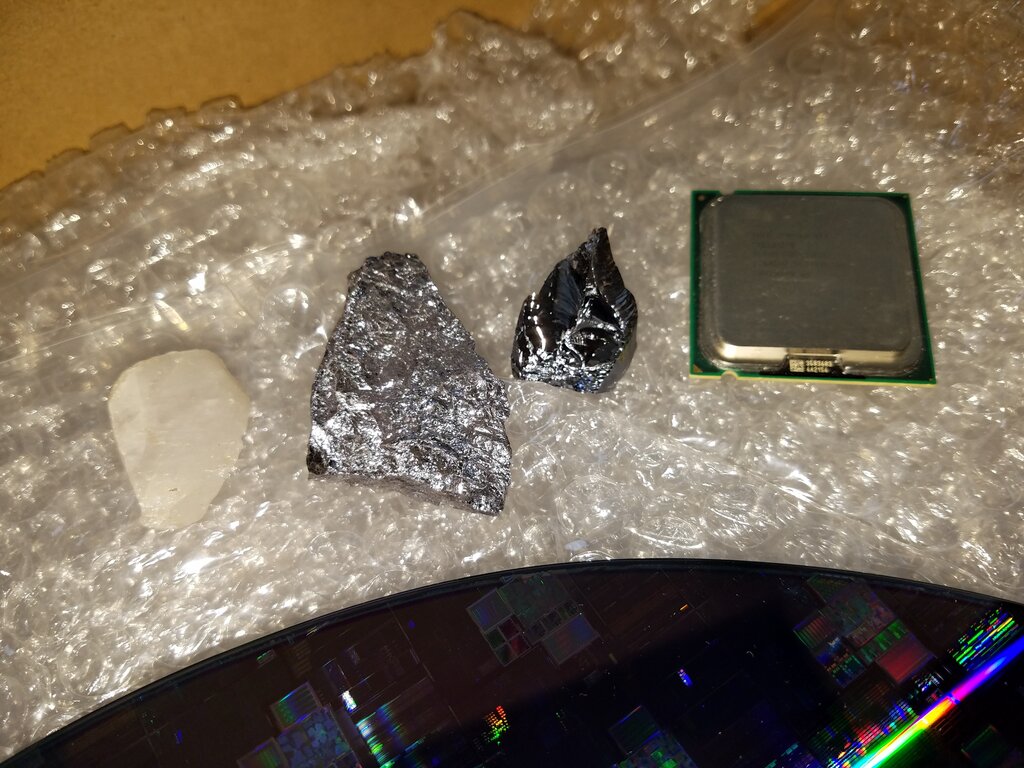
This initial stage highlights the first key component of the supply chain: raw materials. While silicon is the star, the process also requires a host of other materials, including specialty chemicals, gases, and metals needed for later stages.
Designing the Blueprint
Before anything can be built on a wafer, it must be designed. This is where intellectual property (IP) and design firms come in. These are often “fabless” companies, meaning they don't manufacture chips themselves. Instead, they specialize in creating the intricate blueprints for them.
Chip architects use sophisticated Electronic Design Automation (EDA) software to lay out billions of transistors and their connections. This design process is incredibly complex, akin to designing a city with billions of buildings and roads, all fitting on a surface smaller than a fingernail. The final output is a set of files that act as a detailed instruction manual for the manufacturing facility.
The Fabrication Plant
Once the design is complete, it's sent to a fabrication plant, or “fab.” This is where the magic happens. Fabs are massive, ultra-clean facilities that cost billions of dollars to build and operate. Inside, the silicon wafers undergo hundreds of precise steps to build up the layers of the microchip. This process is called fabrication.
The core of fabrication is photolithography. A layer of light-sensitive material is applied to the wafer, and then ultraviolet light is shone through a mask, or a template of the chip's design. The light exposes parts of the material, which are then washed away, leaving a pattern. This process is repeated dozens of times, with other steps like etching (removing material) and deposition (adding material) in between, to build the chip's three-dimensional structure layer by layer.
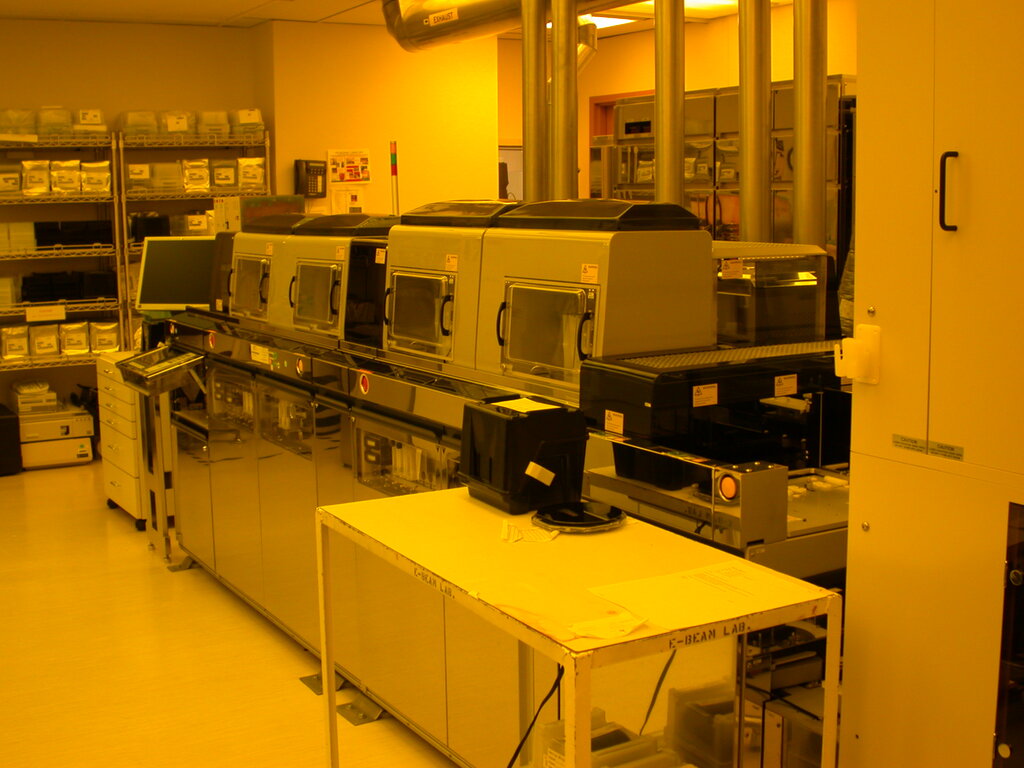
This stage is the most geographically concentrated part of the supply chain. A few countries, particularly Taiwan and South Korea, dominate advanced chip fabrication. The specialized equipment used in fabs, especially the complex lithography machines, comes from a very small number of suppliers in places like the Netherlands and Japan.
Assembly, Testing, and Packaging
After the intricate patterns are created on the wafer, it's time for the final steps. The wafer, now holding hundreds of identical chips (called dies), is tested to find any that are defective. Then, it's sliced up to separate the individual dies.
Each working die is sent to an Assembly, Test, and Packaging (ATP) facility. Here, the die is mounted onto a protective substrate and connected to the metal pins that will eventually plug into a larger circuit board. This is a delicate process that uses tiny gold wires. Finally, the chip is sealed in a plastic or ceramic casing. This is the black rectangle we typically recognize as a computer chip.
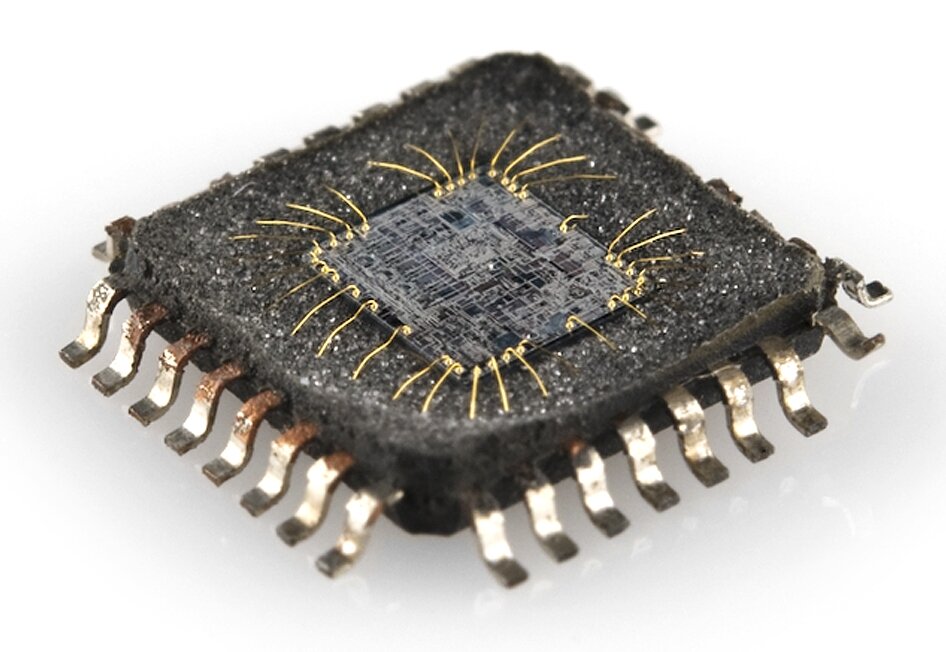
ATP facilities are often located in different countries than the fabs, with nations like China and Malaysia playing a major role. After packaging, the chips are tested one last time before being shipped to electronics manufacturers around the world. These companies then integrate the chips into our phones, cars, computers, and countless other devices.
From a single grain of sand to a complex device, the semiconductor supply chain is a global network of highly specialized players. Each step, from design to fabrication to packaging, relies on a different set of companies and expertise, all working together to power our modern world.
What is the primary raw material refined to create the silicon wafers used in microchips?
A company that specializes in designing the intricate blueprints for microchips but outsources the manufacturing to a separate facility is known as a ________ company.