Semiconductor Supply Chain Risks
Semiconductor Supply Chain Overview
From Sand to Silicon
Every microchip, the tiny brain in our phones, computers, and cars, begins its life as something surprisingly common: sand. The primary component of sand is silicon dioxide, which is refined into extremely pure silicon. This isn't a simple process. It involves melting quartz rock at high temperatures to produce electronic-grade silicon that is 99.9999999% pure.
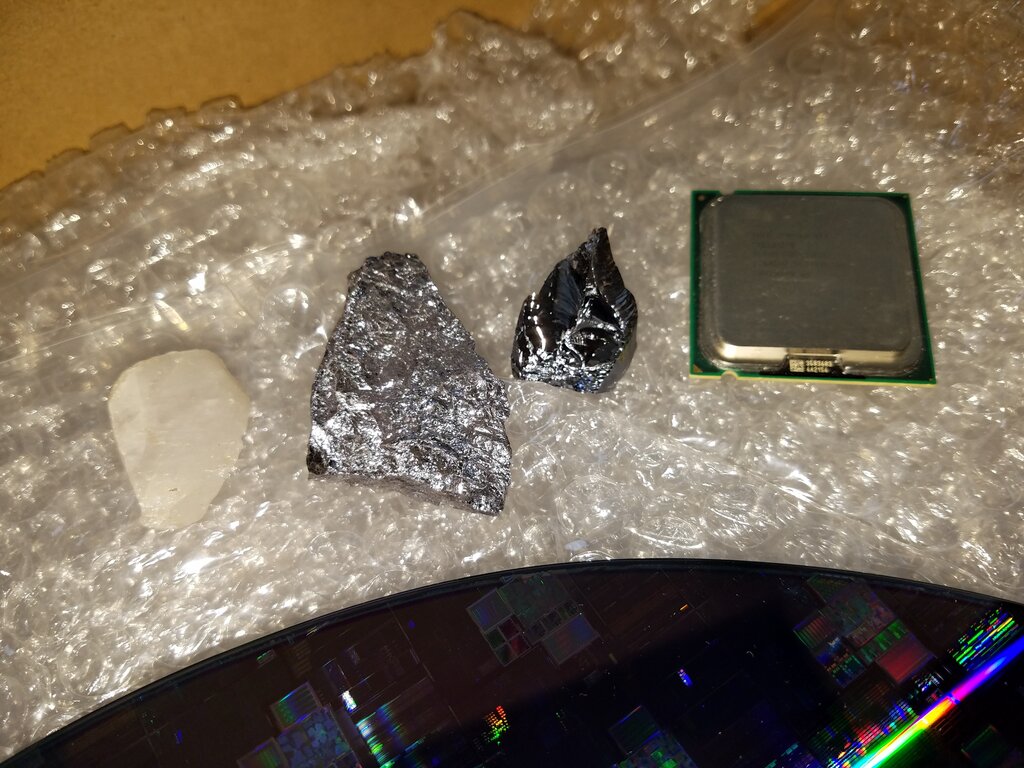
This purified silicon is then melted and grown into a single, massive crystal called an ingot. These ingots, which are perfectly structured cylinders, are then sliced into ultra-thin discs known as wafers. A typical wafer is about the thickness of a piece of paper but much more fragile. These shiny, circular wafers are the canvases upon which hundreds or even thousands of chips will be printed.
A Global Assembly Line
Creating a semiconductor is so complex that no single company, or even a single country, handles the entire process. The supply chain is a sprawling, interconnected global network, with different stages happening in different parts of the world. Each step relies on hyper-specialized expertise and equipment.
The process begins with Chip Design. Companies known as "fabless" firms, like Qualcomm, NVIDIA, and AMD, focus exclusively on designing the intricate circuitry of a chip. They create the blueprints but don't own the factories to make them. They rely on specialized software from companies like Cadence and Synopsys.
Next comes Fabrication. This is where the chip blueprints are brought to life. Manufacturing plants, called foundries or "fabs," take the designs and etch them onto silicon wafers. This stage is incredibly capital-intensive, requiring billions of dollars to build a single fab with cleanrooms and highly advanced equipment. Most of this specialized equipment, especially for a key process called lithography, comes from just a few companies, like ASML in the Netherlands.
After a wafer is filled with chips, it's sent for Assembly, Test, and Packaging (ATP). Here, the wafer is sliced into individual chips (called dies). Each functional die is then placed into a protective package that connects it to the circuit board of a larger device. This work is often done by Outsourced Semiconductor Assembly and Test (OSAT) companies.
This sophisticated global semiconductor chain has been made possible by decades of collaboration between companies in different countries.
Finally, the finished, packaged chips are sold to Original Equipment Manufacturers (OEMs), like Apple, Dell, or Toyota, who integrate them into the electronics we use every day.
Where It All Happens
The geography of chipmaking is highly concentrated. While chip design is dominated by the United States, the manufacturing landscape is centered in Asia.
Taiwan is the undisputed leader in fabrication, largely due to Taiwan Semiconductor Manufacturing Company (TSMC), the world's largest foundry. South Korea is another major player, home to Samsung and SK Hynix, especially for memory chips. China has also invested heavily to grow its domestic semiconductor industry.
Assembly, testing, and packaging are also concentrated in Asia, with major facilities in Taiwan, China, and Malaysia.
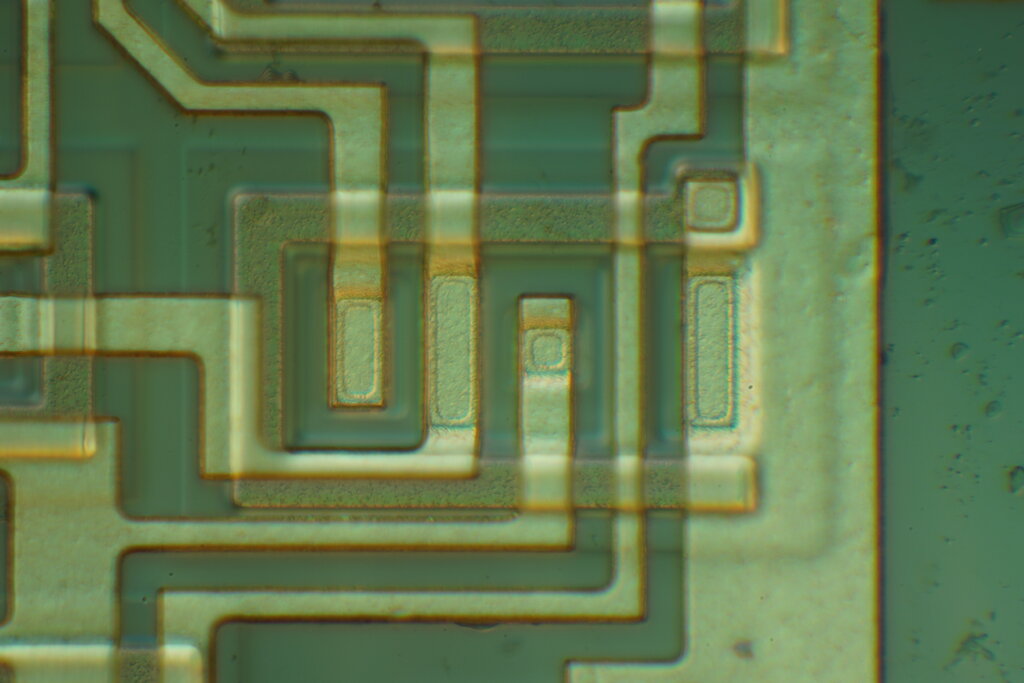
This geographic specialization creates a highly efficient system, but it also means that the world's supply of chips depends on a complex web of international relationships and logistics. Each region plays a critical, often irreplaceable, role in bringing a single chip from concept to reality.
Ready to test your understanding of how the semiconductor supply chain works?
What is the primary raw material used to create the highly pure silicon for microchips?
Companies like NVIDIA and Qualcomm, which focus exclusively on designing chips but do not manufacture them, are known as what?
Understanding this global ballet of design, fabrication, and assembly is the first step to appreciating both the marvel of modern electronics and the complexities involved in producing them.