Semiconductor Supply Chain Risks
Semiconductor Supply Chain Overview
From Idea to Integrated Circuit
Every smart device you own, from your phone to your car, is powered by tiny electronic components called semiconductors, or chips. But how does a chip come to be? It's a long, complex journey that spans the globe, transforming raw materials like sand into the brains of modern technology. This process is known as the semiconductor supply chain.
The Design Phase
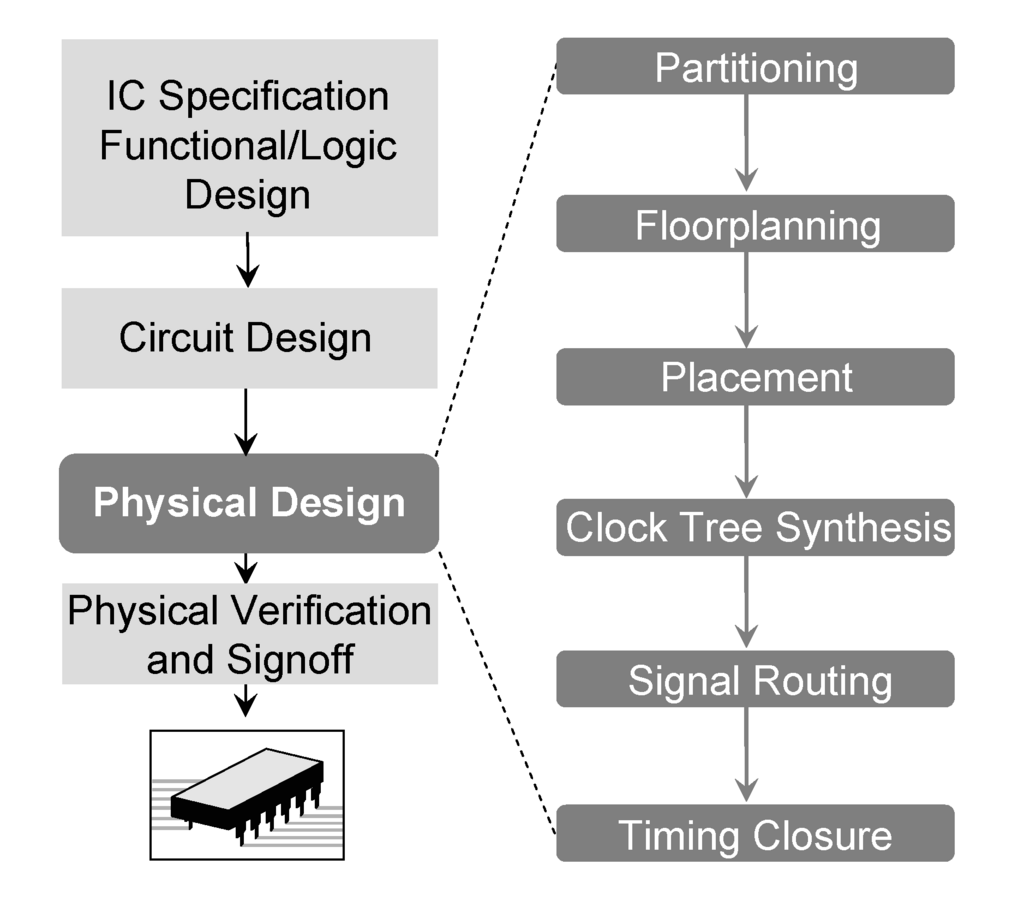
Everything starts with an idea. Engineers design an integrated circuit (IC) to perform a specific function, whether it's processing data in a computer or managing power in a phone. This is a purely digital process, much like an architect creating a blueprint for a massive skyscraper. Using specialized software known as Electronic Design Automation (EDA) tools, they meticulously plan and lay out the billions of transistors and connections that make up a modern chip.
The final output of this phase isn't a physical object, but a set of highly detailed files. These files contain the patterns for each layer of the chip, ready to be sent to a manufacturing facility.
Fabrication in Fabs
Once the design is complete, the blueprints are sent to a highly specialized factory called a fabrication plant, or fab.
Fab
noun
Short for fabrication plant, a highly advanced factory where semiconductor wafers are processed to create integrated circuits.
Inside the fab, the manufacturing process begins with a thin, perfectly circular slice of pure silicon called a wafer. Through a complex process called photolithography, the circuit patterns from the design files are repeatedly projected onto the wafer. This process involves adding and removing layers of different materials to build up the transistors and wires in three dimensions. This step is repeated hundreds of times to create all the layers of the circuit.
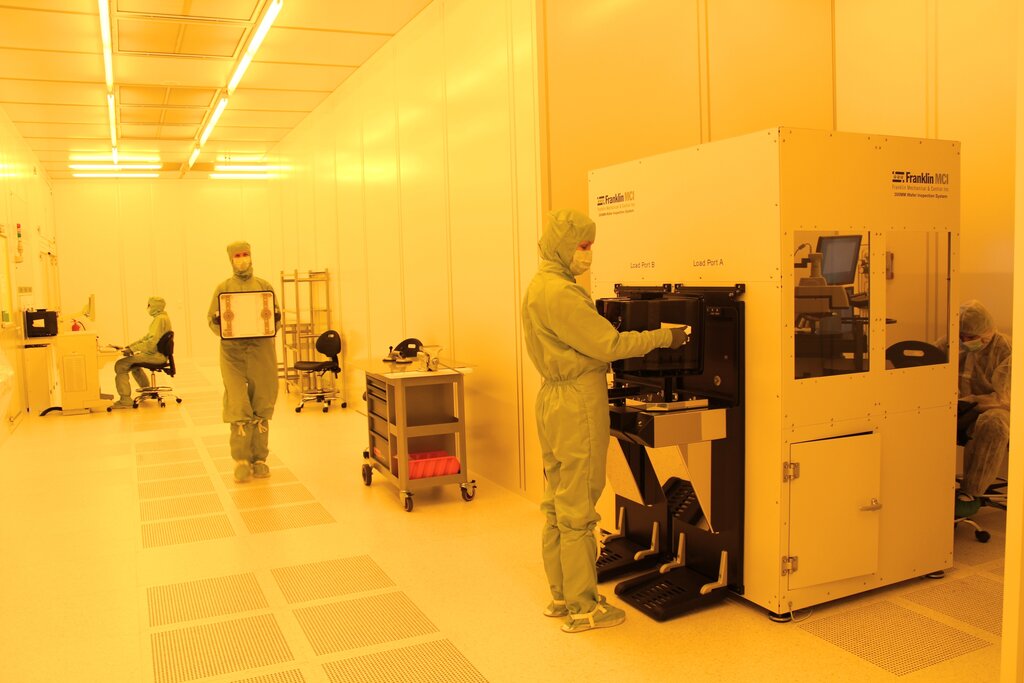
Fabs are some of the cleanest places on Earth. A single speck of dust is larger than many circuit features and can ruin a chip, so workers must wear special suits and the air is filtered continuously.
Assembly, Testing, and Packaging
After the fabrication process is complete, the wafer contains hundreds or even thousands of identical, complete circuits. Now, they need to be prepared for the real world. First, the wafer is sliced into individual chips, which are called dies.
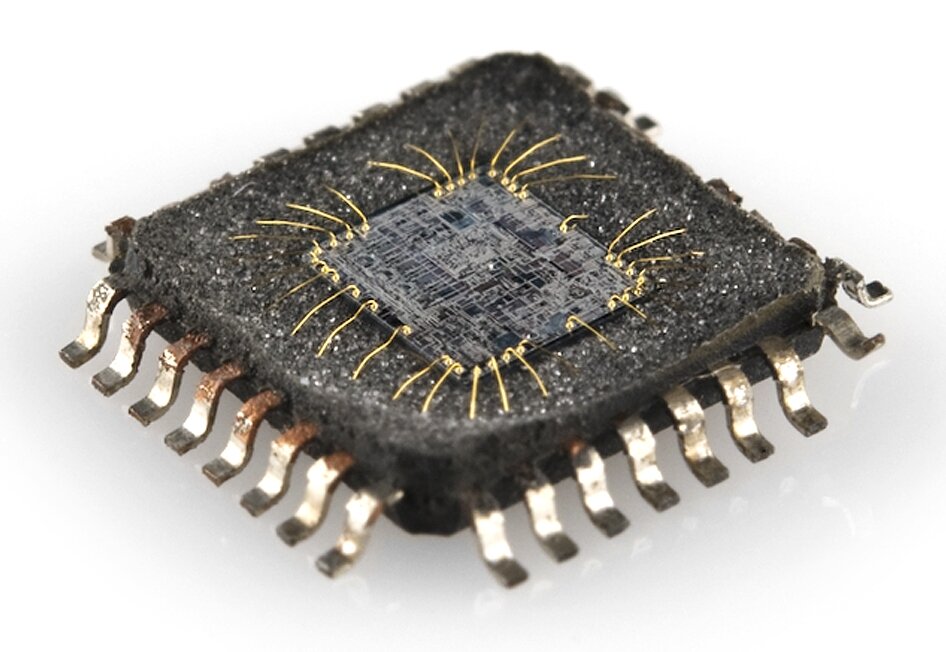
Each fragile silicon die is then placed into a protective casing, a process known as packaging. This package serves two main purposes: it protects the delicate chip from damage and provides the metal pins or pads needed to connect it to a larger printed circuit board (PCB).
Before a chip is sent out, it must be rigorously tested. Automated equipment checks each chip to ensure it functions exactly as designed and meets performance and power specifications. Any chip that fails is discarded. This quality control step is critical to ensure reliability.
Distribution
The final stage is getting the finished, tested chips to the companies that will use them. This is the distribution phase. Semiconductor manufacturers sell their products either directly to large electronics companies or through a network of distributors.
These distributors act as intermediaries, stocking chips from various manufacturers and selling them to a wide range of customers, from small startups to large corporations. The chips are then shipped to factories around the world where they are soldered onto circuit boards and assembled into the final electronic devices we use every day.
The journey is complete: an idea has been transformed into a physical chip, ready to power a device.
Let's review the key steps in this complex process.
What is the primary output of the chip design phase that is sent to the fabrication plant?
The manufacturing process for a semiconductor begins in a specialized factory called a ____, using a thin slice of silicon known as a ____.
This entire chain of events, from design to distribution, represents the core of the modern semiconductor industry.