Semiconductor Supply Chain Risks
Semiconductor Supply Chain Basics
The Journey of a Chip
A semiconductor chip seems like a single, tiny object, but its creation is a global marathon. The journey from raw materials to the finished processor in your phone involves a complex network of companies, countries, and highly specialized processes. This network is the semiconductor supply chain.
Think of it like preparing an elaborate meal. You need farmers for raw ingredients, specialized chefs for different parts of the dish, and a delivery service to bring the final meal to your table. The semiconductor supply chain works similarly, but on a microscopic scale and across continents.
From Sand to Silicon
Everything starts with raw materials. The most critical ingredient for a chip is silicon, which is refined from common sand. The sand, or quartz, is melted down and purified to create massive, single-crystal cylinders of silicon called ingots. These ingots are then sliced into a pizza-sized, paper-thin discs known as wafers.
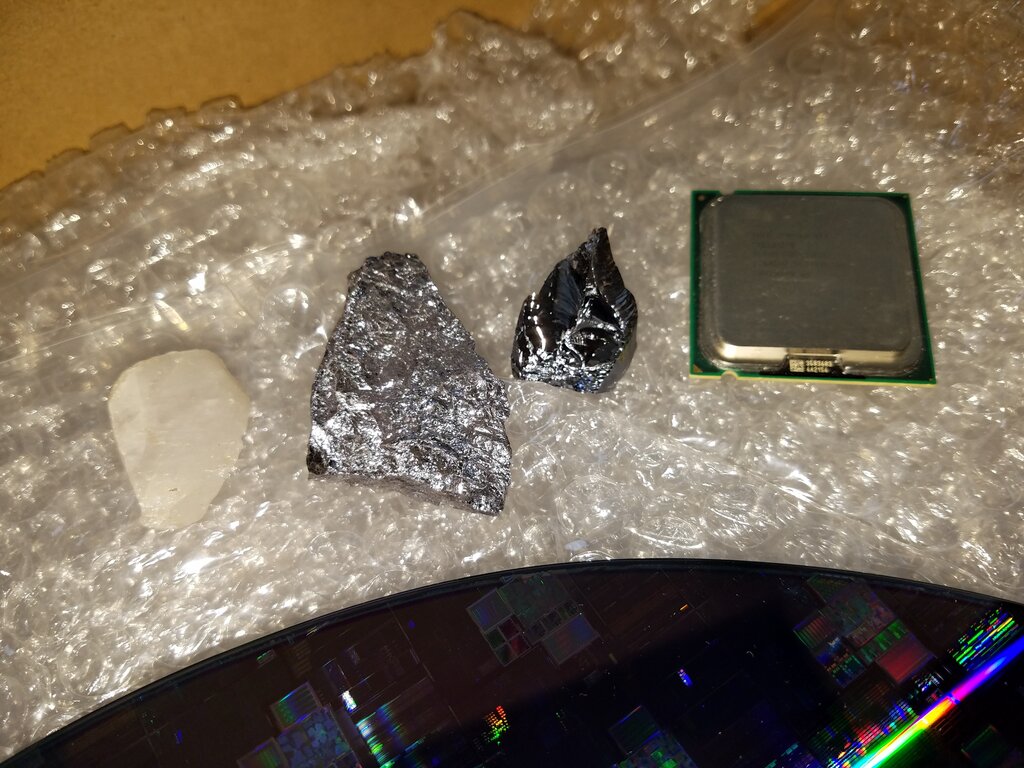
While silicon is the star, dozens of other materials are essential. These include specialized chemicals and gases used to etch patterns onto the wafers, and rare metals like copper and aluminum for creating the intricate wiring. Companies that mine, refine, and supply these materials form the very foundation of the chip-making process.
Design and Fabrication
Once the raw materials are ready, the process splits into two main paths: designing the chip's brain and physically building it.
Design is the architectural phase. Engineers create a detailed blueprint, determining exactly what the chip will do and how its billions of transistors will be arranged. Some companies, known as fabless companies (like NVIDIA or Qualcomm), focus exclusively on designing chips. They create the plans but don't own the factories to build them.
Fabrication is where the blueprint becomes reality. This happens in a factory called a fabrication plant, or "fab" for short. In the fab, the design is imprinted onto the silicon wafers through hundreds of steps, building up the chip layer by microscopic layer. Fabs that manufacture chips for other companies are called foundries. The largest and most advanced foundry is TSMC in Taiwan.
Some companies, called Integrated Device Manufacturers (IDMs), do it all. They design and fabricate their own chips in their own fabs. Intel is a well-known example.
Final Assembly and Distribution
After fabrication, the silicon wafer contains hundreds of identical chips. Now they need to be separated and prepared for the real world. This stage is called Assembly, Test, and Packaging (ATP).
First, the wafer is sliced into individual chips, called dies. Each die is then tested to ensure it works correctly. The good dies are moved to the assembly stage, where they're placed into a protective casing, or package. This package is what you see on a circuit board; it protects the delicate silicon die and has metal pins that connect it to other components.
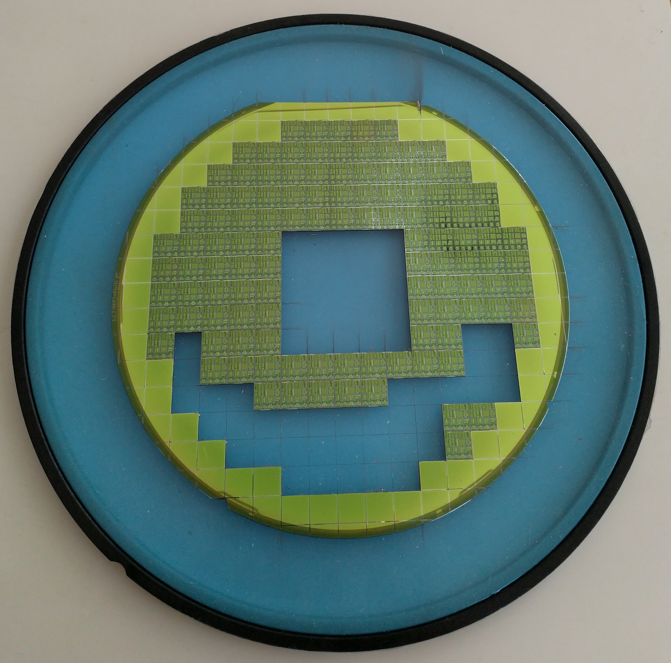
Once packaged, the chips undergo a final round of testing before being shipped out. Distributors and wholesalers buy these finished chips in bulk and sell them to the companies that make our electronics—from car manufacturers and data center operators to smartphone and laptop makers. This final step places the chip into the device where it will spend its working life.
Ready to check your understanding of how a chip gets made?
What is the primary raw material refined from sand to create the silicon wafers used in chip manufacturing?
A company like NVIDIA designs powerful GPUs but does not own the factories that build them. What is this type of company called?
From a simple grain of sand to the powerful engine of the digital world, the semiconductor supply chain is a testament to global collaboration and incredible precision.