Semiconductor Supply Chain Risk Analysis
Semiconductor Supply Chain Overview
From Sand to Smartphone
Every smart device you own, from your phone to your car, runs on tiny electronic brains called semiconductors, or chips. But how do these complex components come to be? The journey starts with one of the most common materials on Earth: sand.
The process begins by refining sand into extremely pure silicon, which is then grown into large, cylindrical crystals called ingots. These ingots are sliced into ultra-thin discs known as wafers. This is the blank canvas upon which the chips are built.
The creation of a semiconductor is a story of specialization, unfolding across a global supply chain. It's not one company doing everything, but a network of specialists, each mastering a critical step in the process. The main stages are design, fabrication, and finally, assembly and testing.
First, engineers design the chip's intricate circuitry, creating a blueprint. Next, in highly advanced factories called fabs, this design is etched onto the silicon wafers through hundreds of precise chemical and light-based steps. Finally, the wafer, now covered in hundreds of identical chips, is sent to be cut, tested, and packaged into the black rectangular components you might see on a circuit board.
A Global Cast of Characters
The semiconductor industry is not monolithic. Different companies play highly specialized roles, often operating as distinct business models. Understanding these players is key to understanding the supply chain itself.
Some of the world's most famous tech companies, like Apple, NVIDIA, and Qualcomm, are fabless. This means they focus exclusively on designing powerful chips but outsource the actual manufacturing to others. They are the architects, not the builders.
The builders are known as foundries. These companies, such as Taiwan's TSMC and South Korea's Samsung, operate the massive, multi-billion dollar fabs that produce chips for fabless companies. They are masters of the manufacturing process.
Then there are Integrated Device Manufacturers (IDMs), like Intel. IDMs handle everything in-house: they design their own chips, manufacture them in their own fabs, and sell the final product.
| Company Type | What They Do | Examples |
|---|---|---|
| Fabless | Designs chips, outsources manufacturing. | Apple, NVIDIA, AMD |
| Foundry | Manufactures chips for other companies. | TSMC, GlobalFoundries |
| IDM | Designs and manufactures its own chips. | Intel, Samsung, Texas Instruments |
Beyond these core players are other crucial specialists. Equipment manufacturers like ASML in the Netherlands build the incredibly complex lithography machines needed for cutting-edge fabrication. Other suppliers provide the hyper-pure silicon wafers, chemicals, and gases essential for production.
An Interconnected World
No single country dominates the entire semiconductor supply chain. Instead, it's a deeply interconnected global system built on regional specialization. This arrangement has fostered incredible efficiency and innovation.
The United States, for example, is a leader in chip design and houses major equipment suppliers. East Asia, particularly Taiwan and South Korea, is the undisputed hub of advanced manufacturing, or fabrication. Europe is home to critical equipment and chemical suppliers. Finally, countries in Southeast Asia, like Malaysia and Vietnam, are major centers for the final assembly, testing, and packaging stages.
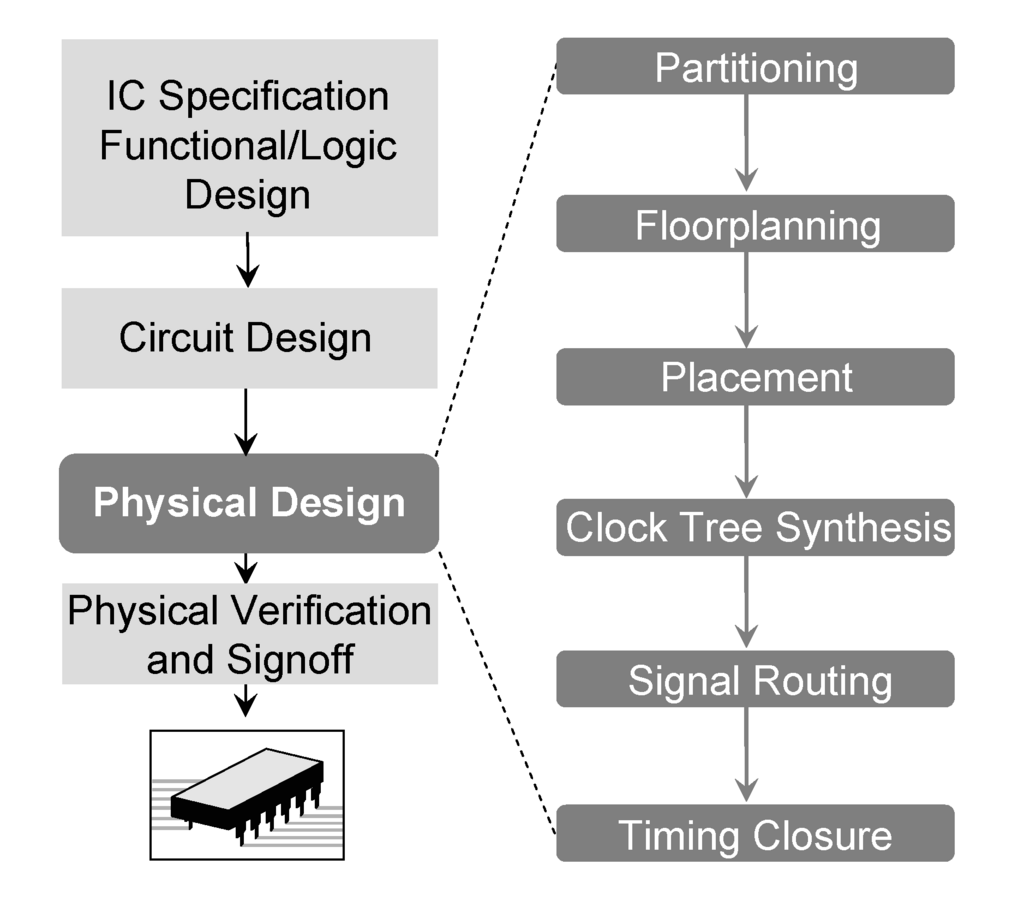
A chip designed in California might be manufactured in Taiwan using machines from the Netherlands, then sent to Malaysia for packaging before being installed in a German car. This global interdependence means that a disruption in one part of the world can have ripple effects across the entire tech industry.
This sophisticated global semiconductor chain has been made possible by decades of collaboration between companies in different countries.
This intricate web of suppliers, designers, manufacturers, and assemblers works together to produce the chips that power our modern world. Each link in the chain is essential to the final product.