Semen Retention and Testosterone
Testosterone Physiology
The Hormone Factory
Deep within the testes are coiled tubes called seminiferous tubules. This is where sperm are produced. Tucked in the spaces between these tubes are the Leydig cells, which have one primary job: to produce testosterone. They are the body's main testosterone factories.
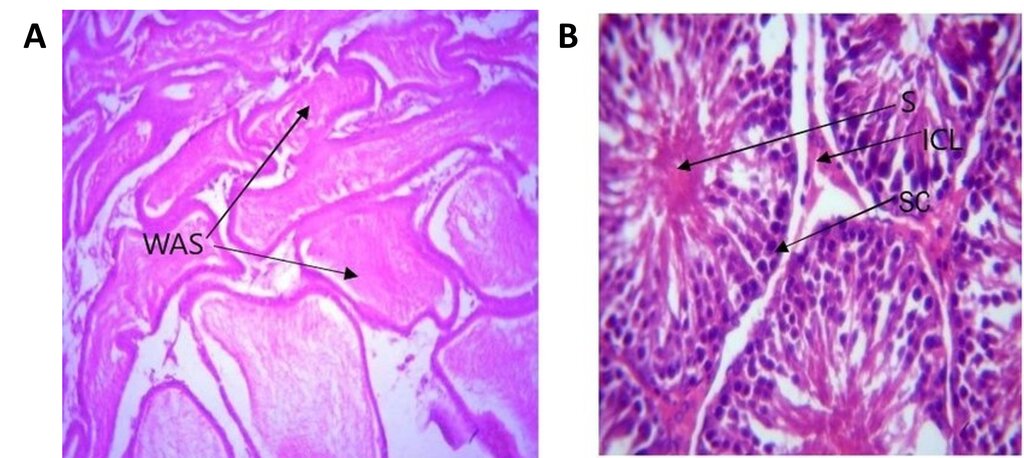
Think of Leydig cells as skilled workers on an assembly line. Their starting material is cholesterol, a lipid that's essential for building many of the body's hormones. Through a series of enzymatic reactions, these cells convert cholesterol into testosterone, which is then released into the bloodstream to travel throughout the body.
A Chain of Command
The body doesn't just produce testosterone constantly. Its production is tightly controlled by a sophisticated communication network called the hypothalamic-pituitary-gonadal (HPG) axis. This system ensures that testosterone levels stay within a healthy range.
It all starts in the brain. The hypothalamus acts like a command center, monitoring testosterone levels in the blood. When levels dip, it sends out a chemical messenger called Gonadotropin-releasing hormone (GnRH).
GnRH travels a short distance to the pituitary gland, the body's master gland. This signal prompts the pituitary to release its own hormone, Luteinizing Hormone (LH), into the bloodstream. LH then journeys down to the testes and delivers the message to the Leydig cells: "Start production!"
This system also has a built-in off-switch. As testosterone levels rise in the blood, this increase is detected by both the hypothalamus and the pituitary gland. They respond by reducing the release of GnRH and LH. This negative feedback loop prevents testosterone levels from getting too high, maintaining a delicate balance.
Testosterone's Roles
Testosterone's influence is widespread, affecting everything from reproduction to physical appearance.
While testosterone is essential for sperm production, it doesn't do the job alone. It works alongside another pituitary hormone, Follicle-Stimulating Hormone (FSH), to orchestrate the complex process of spermatogenesis within the seminiferous tubules.
Testosterone is also a key driver of libido, or sex drive. It acts on specific areas of the brain to influence sexual desire and arousal.
Finally, testosterone is responsible for the development of male secondary sexual characteristics during puberty. These are the physical changes that distinguish males from females but aren't directly involved in reproduction. This includes:
- Deepening of the voice
- Growth of facial and body hair
- Increased muscle mass and bone density
- The growth of the Adam's apple
Ready to check your understanding of how this crucial hormone works?
What is the primary role of Leydig cells in the testes?
Which sequence correctly describes the hormonal cascade that stimulates testosterone production?
Understanding testosterone's synthesis, regulation, and functions provides a clear picture of its central role in male physiology.