Semantic Search Explained
Introduction to Semantic Search
Beyond Keywords
Have you ever typed a question into a search engine and gotten a list of pages that contain your exact words, but don't actually answer your question? It's a common frustration. You know what you're looking for, but the search engine seems to be stuck on the specific terms you used, missing the point entirely.
This happens when a search engine relies on a simple keyword-based approach. It finds documents that match the words in your query, but it doesn't understand the meaning behind them. It's like a librarian who can only find books with the exact title you ask for, even if a book with a slightly different title has the perfect information.
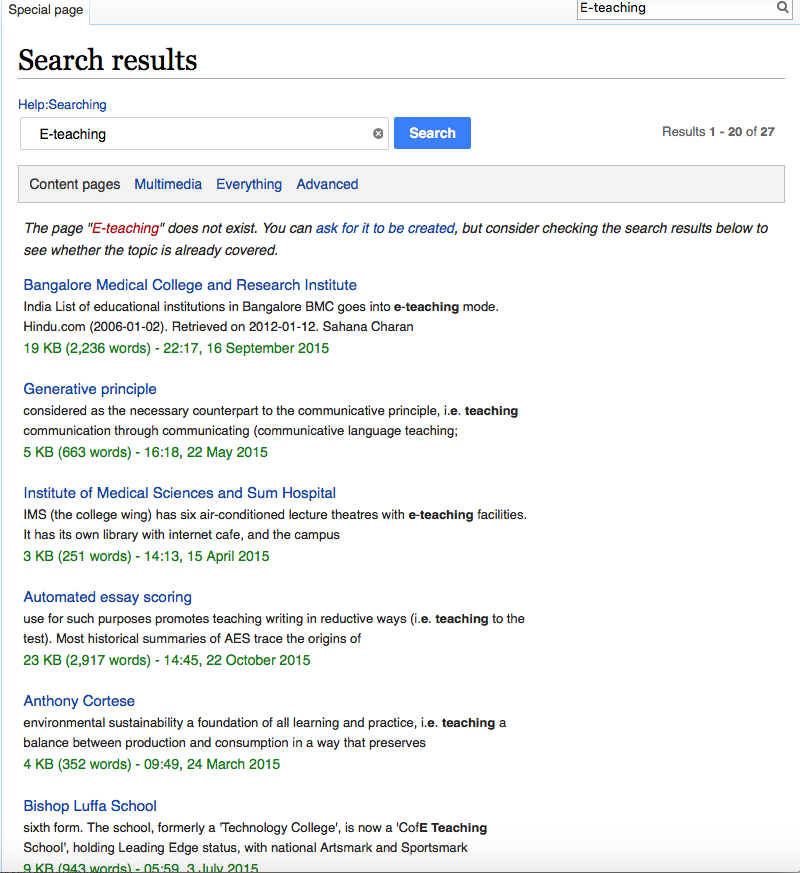
This is where semantic search comes in. It’s a smarter way to search that focuses on the meaning and intent behind your query, not just the keywords themselves. It tries to understand what you're really asking, even if you don't use the perfect words.
Meaning, Not Just Matching
The core difference between keyword and semantic search is understanding. Keyword search is literal. If you search for "how tall is the big building in Paris," a keyword search looks for pages with the words "tall," "big," "building," and "Paris." It might find a blog post from a tourist who wrote, "I saw the big building in Paris, it was so tall!" That's a perfect keyword match, but it doesn't answer your question.
A semantic search engine understands concepts and their relationships. It knows that the "big building in Paris" likely refers to the Eiffel Tower. It understands that "how tall" is a question asking for a specific measurement. So, it delivers the answer: 330 meters.
By embedding the content, you enable semantic search capabilities, allowing the system to retrieve the most relevant information based on meaning rather than exact keyword matches.
To achieve this, semantic search considers two crucial elements: context and intent.
Intent
noun
The goal or purpose a user has when they perform a search. Are they trying to buy something, learn a fact, or find a specific website?
Your search history, location, and even the time of day provide valuable context. If you search for "best pizza" at noon in Chicago, the search engine rightly assumes you're looking for nearby lunch spots, not a history of pizza in Italy. It uses this context to figure out your probable intent and deliver more useful results.
| Feature | Keyword Search | Semantic Search |
|---|---|---|
| Focus | Exact word matching | Contextual meaning & user intent |
| How it Works | Scans for keywords in documents | Understands relationships between concepts |
| Query Example | "cheap apple phone" | "What's the most affordable iPhone?" |
| Result Quality | Can be irrelevant or out of context | Highly relevant and direct answers |
This ability to understand relationships between words and ideas is what makes semantic search so powerful. It's less about a dictionary and more about an encyclopedia, connecting concepts in a web of knowledge.
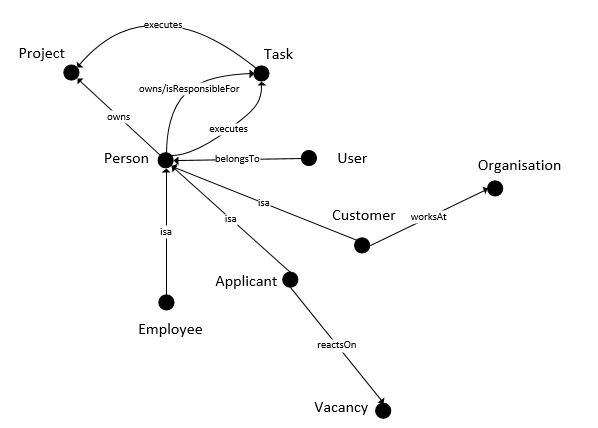
By going beyond simple words, semantic search provides a more human-like search experience. It closes the gap between the question you have in your head and the way you type it into a search box.
Ready to check your understanding?
What is the primary difference between keyword search and semantic search?
If you search for "the big pointy building in Paris," a semantic search engine is more likely than a keyword search engine to return results about the Eiffel Tower.
Understanding the shift from keywords to meaning is the first step in appreciating how modern search engines help us find exactly what we need, faster than ever before.