Semaglutide Explained
Introduction to Semaglutide
What Is Semaglutide?
Semaglutide is a medication used to manage type 2 diabetes and chronic obesity. It belongs to a class of drugs called glucagon-like peptide-1 (GLP-1) receptor agonists. In simple terms, it mimics a natural hormone your body produces after you eat.
Semaglutide is a glucagon-like peptide-1 (GLP-1) receptor agonist that works by mimicking the activity of GLP-1, a hormone released in the intestine after eating.
This hormone, GLP-1, plays a key role in regulating your blood sugar and appetite. By acting like GLP-1, semaglutide helps the body release more insulin when blood sugar is high, slows down digestion, and reduces appetite, which can lead to weight loss.
A Brief History
The journey of semaglutide began with research into treatments for type 2 diabetes. Scientists were looking for ways to create longer-lasting versions of the natural GLP-1 hormone, which the body breaks down very quickly. By modifying the GLP-1 molecule, they created semaglutide, which lasts much longer in the body—about a week.
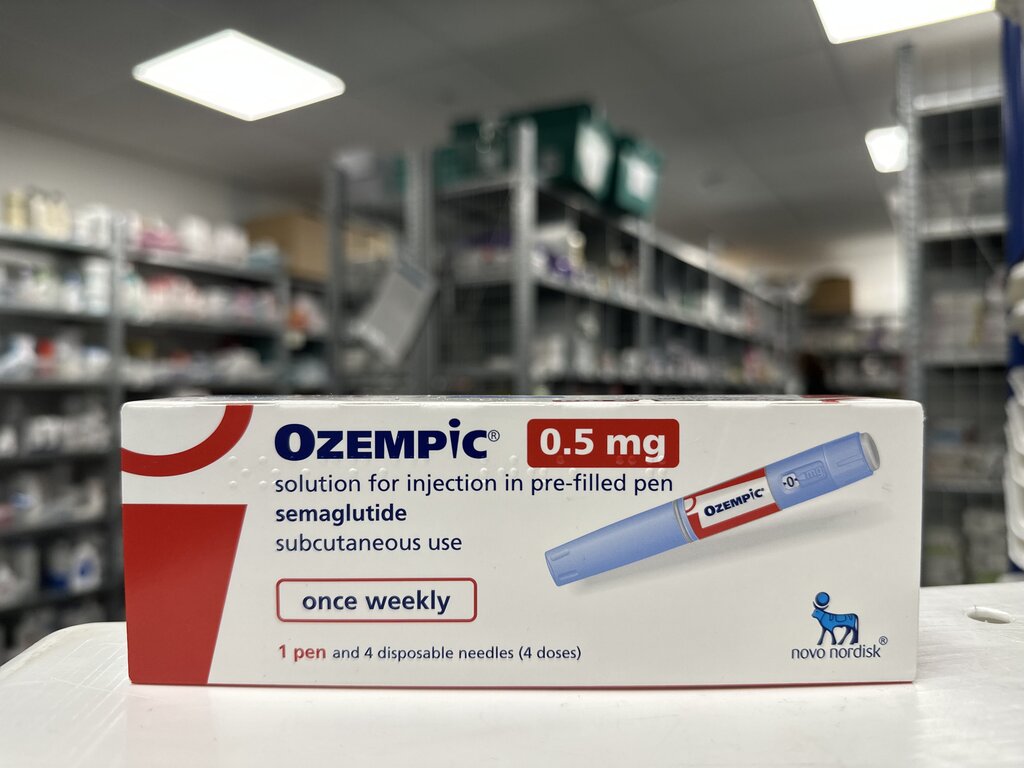
This extended action made it a highly effective treatment. The U.S. Food and Drug Administration (FDA) first approved semaglutide for type 2 diabetes in 2017. Later, after clinical trials showed significant weight loss in participants, it was also approved for chronic weight management in adults with obesity or who are overweight with at least one weight-related condition.
Different Brands for Different Needs
Semaglutide is sold under different brand names, each with a specific approved use. The dosage and formulation can also differ.
| Brand Name | Form | Primary Use |
|---|---|---|
| Ozempic® | Once-weekly injection | Type 2 Diabetes |
| Rybelsus® | Once-daily oral tablet | Type 2 Diabetes |
| Wegovy® | Once-weekly injection | Chronic Weight Management |
While Ozempic and Wegovy are both injections and contain the same active ingredient, Wegovy is available in higher doses specifically for weight loss. Rybelsus is notable for being the first GLP-1 receptor agonist available as a pill, offering an alternative to injections.
It's important to note that while these medications are effective, they are designed to be used alongside a healthy diet and exercise.
The development of semaglutide has marked a significant step forward in treating two of the most common chronic conditions worldwide. Its dual impact on blood sugar control and weight management has provided a powerful new tool for doctors and patients.
What is the primary mechanism of action for semaglutide?
For which condition was semaglutide first approved by the U.S. FDA?